The best time to visit Lapland depends on what you want to experience. Winter, from November through March, is ideal for snow activities and the Northern Lights, while summer brings the magical Midnight Sun and lush wilderness. Spring and autumn each offer their own distinct character. This article walks through every season, key phenomena, and the one period worth avoiding.
What are the four seasons like in Lapland, Finland?
Lapland, Finland, experiences four dramatically distinct seasons, each offering a completely different landscape and atmosphere. Winter brings deep snow and polar nights, spring delivers a brief but brilliant thaw, summer glows under the Midnight Sun, and autumn transforms the forests into a blaze of color before the cold returns.
Winter (November to March)
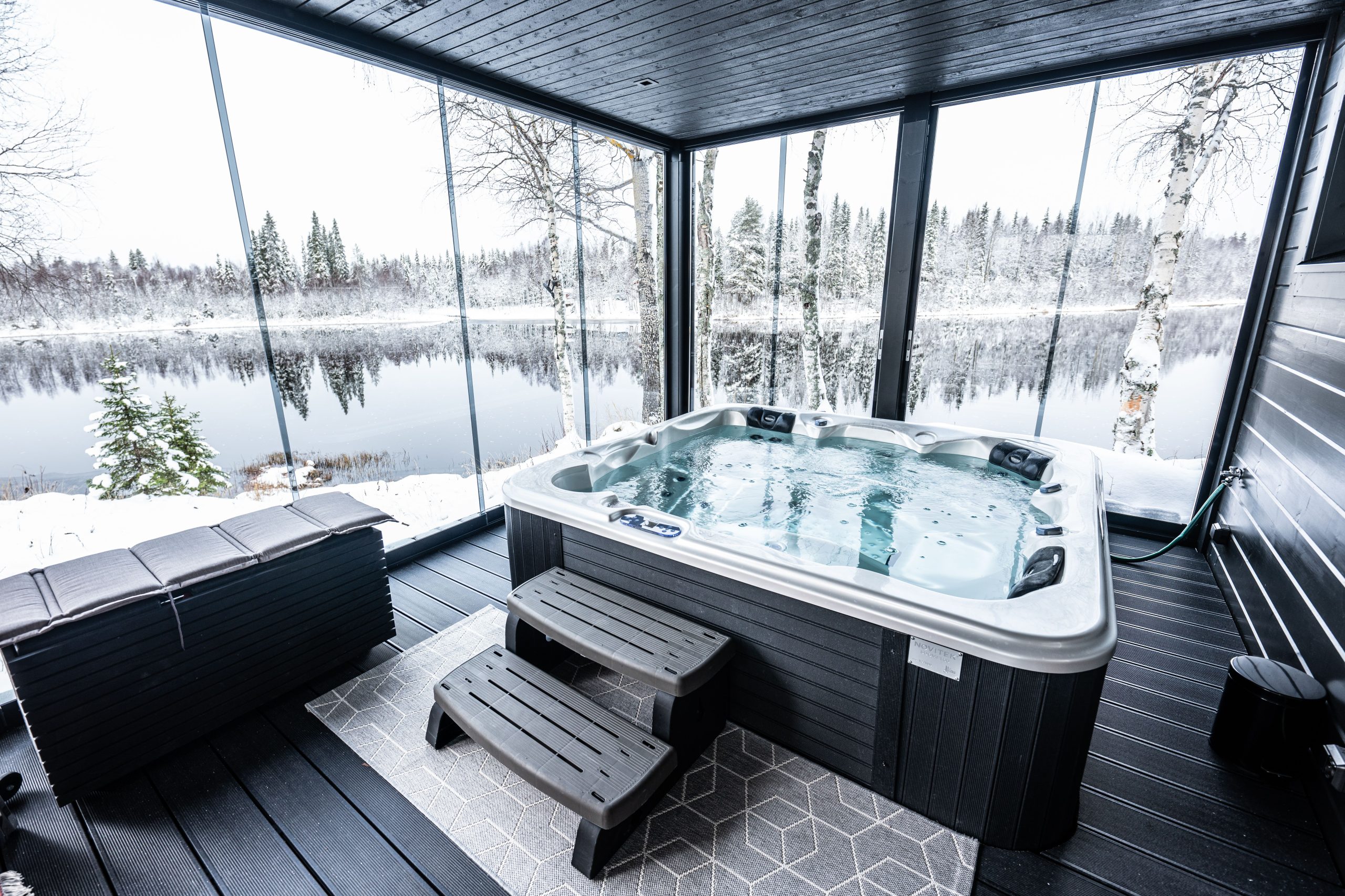
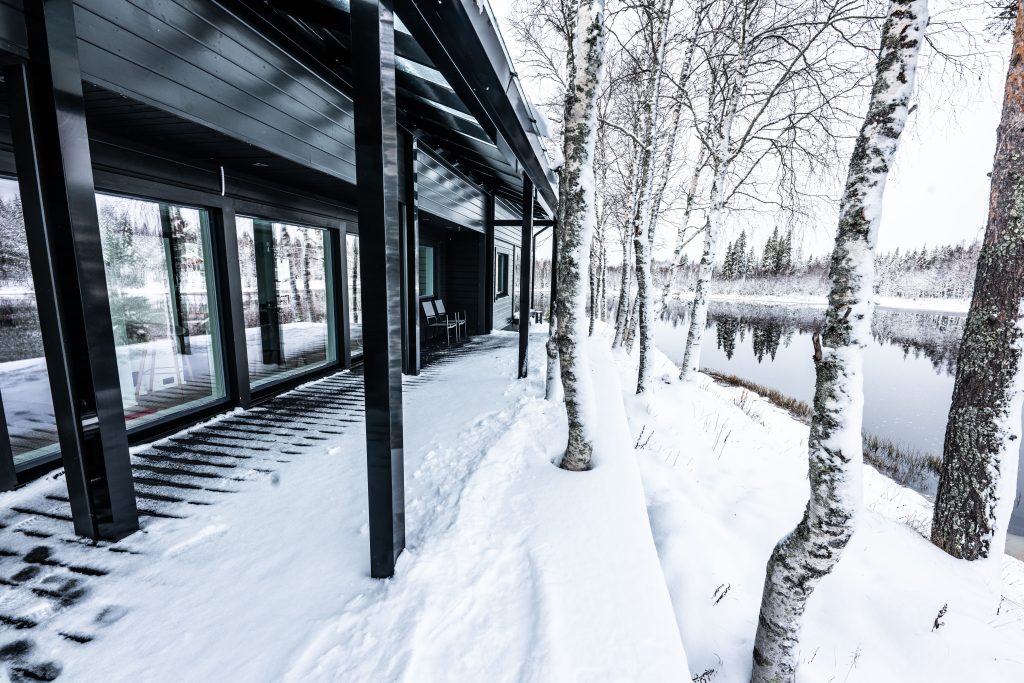
Winter is Lapland’s most iconic season. Snow blankets the forests and frozen lakes from late November, and temperatures regularly drop well below freezing. The polar night, known locally as kaamos, means the sun barely rises above the horizon in December and January, creating an ethereal blue twilight during daylight hours. This darkness is precisely what makes the Northern Lights so vivid and accessible.
Spring (April to May)
Spring in Lapland is short and surprisingly intense. Snow begins to melt rapidly in April, rivers swell with snowmelt, and the first birdsong returns. Daylight hours stretch quickly, and the landscape shifts from white to a soft, watery green. Temperatures are still cool but comfortable for outdoor exploration, and the crowds of the peak winter season have largely thinned.
Summer (June to August)
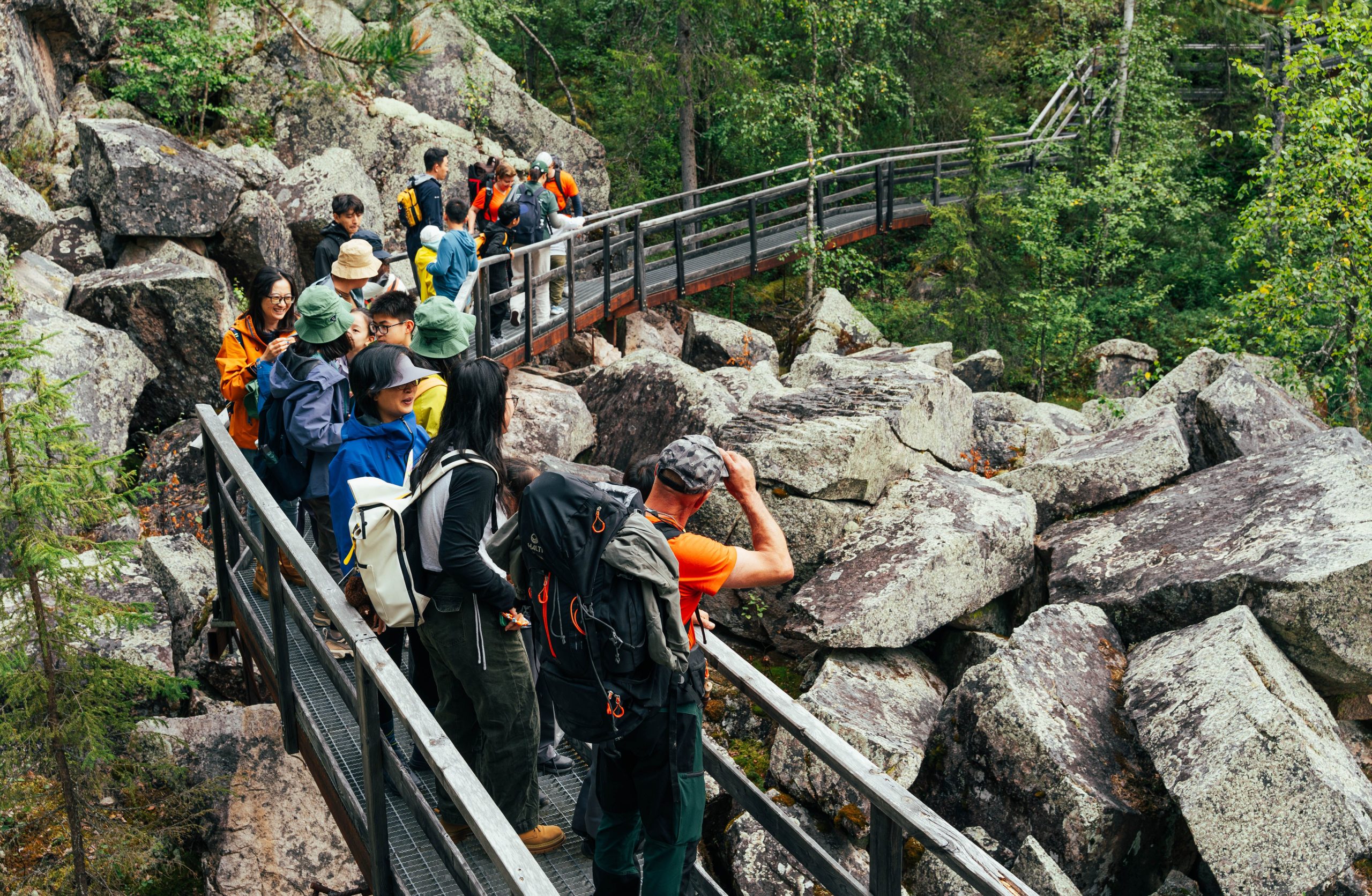
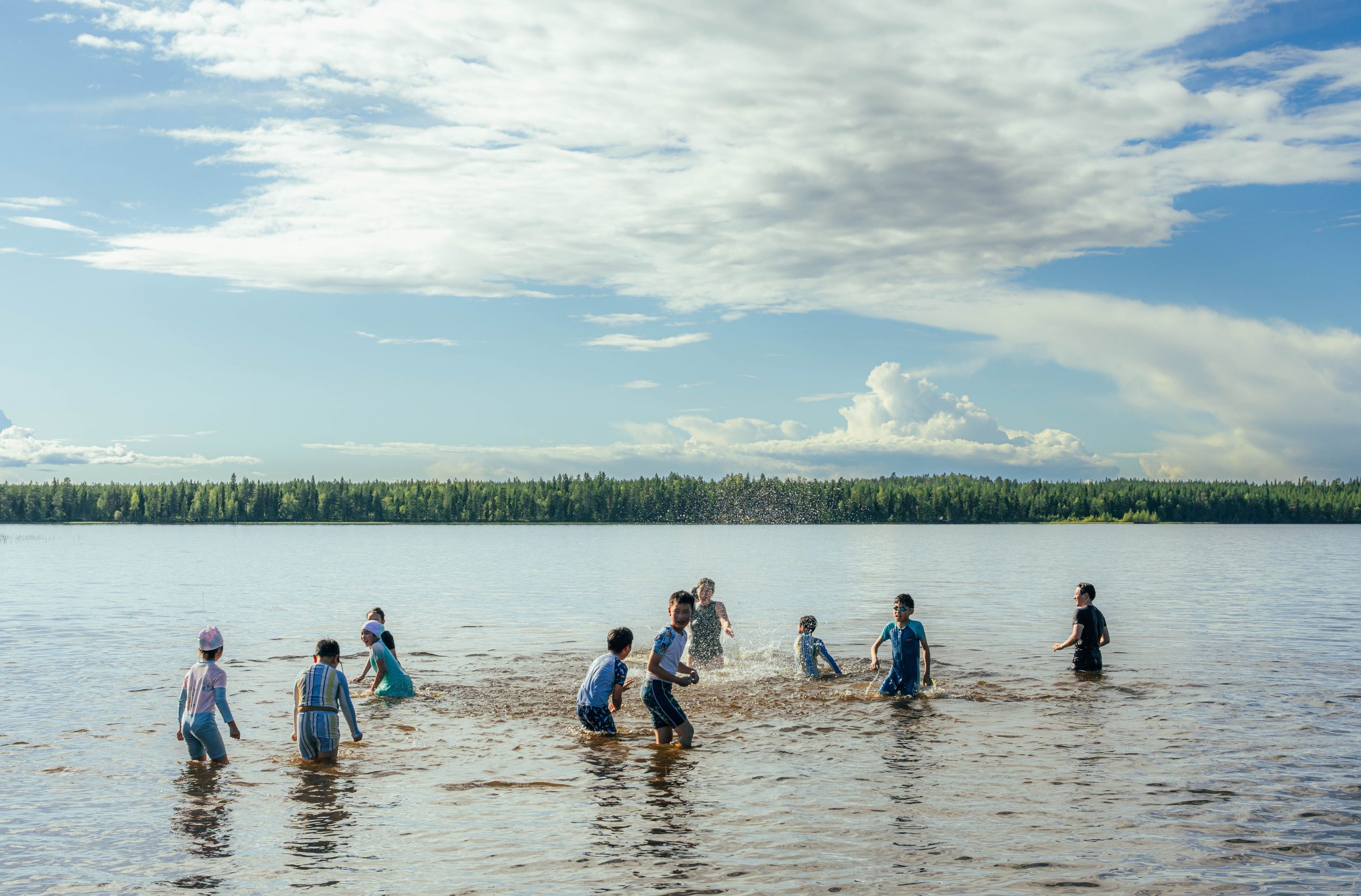
Summer in Lapland is warm, green, and luminous. Temperatures can reach the mid-20s Celsius, wildflowers cover the forest floors, and the rivers and lakes come alive with activity. The defining feature is the Midnight Sun, which keeps the sky bright around the clock for weeks. It is a season of endless energy and pristine natural beauty.
Autumn (September to October)
Autumn, called ruska in Finnish, is one of Lapland’s best-kept secrets. The birch and aspen forests turn vivid shades of red, orange, and gold, and the first frosts signal the approaching winter. Early snowfall is possible by October, and the Northern Lights begin to reappear as the nights lengthen. Autumn offers solitude, spectacular color, and a sense of quiet transition.
When is the best time to see the Northern Lights in Lapland?
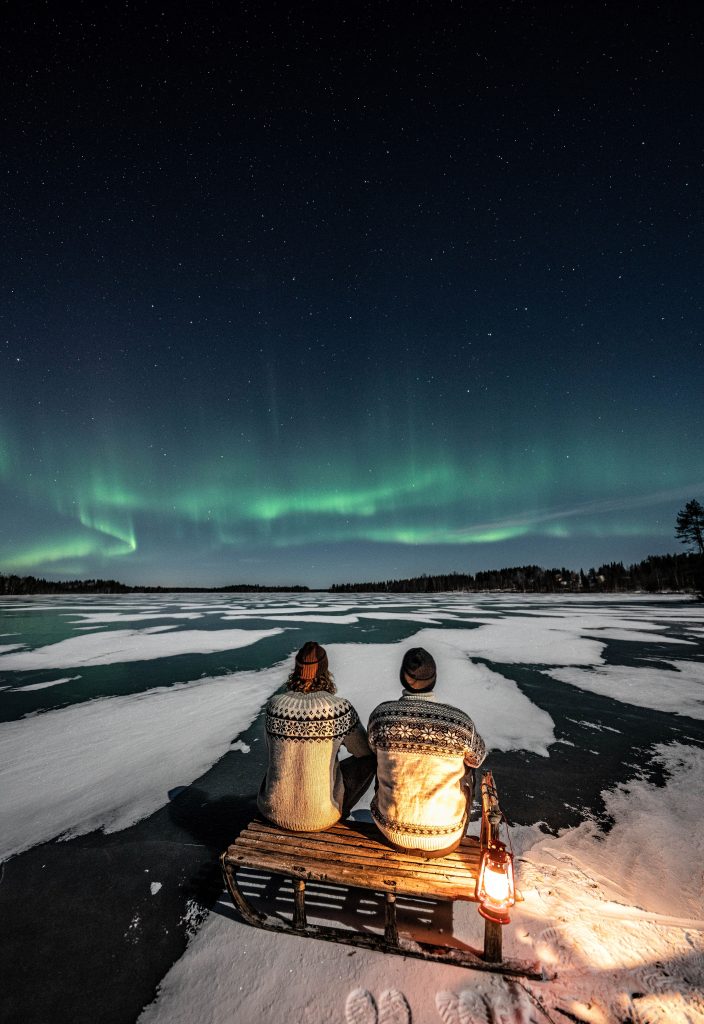
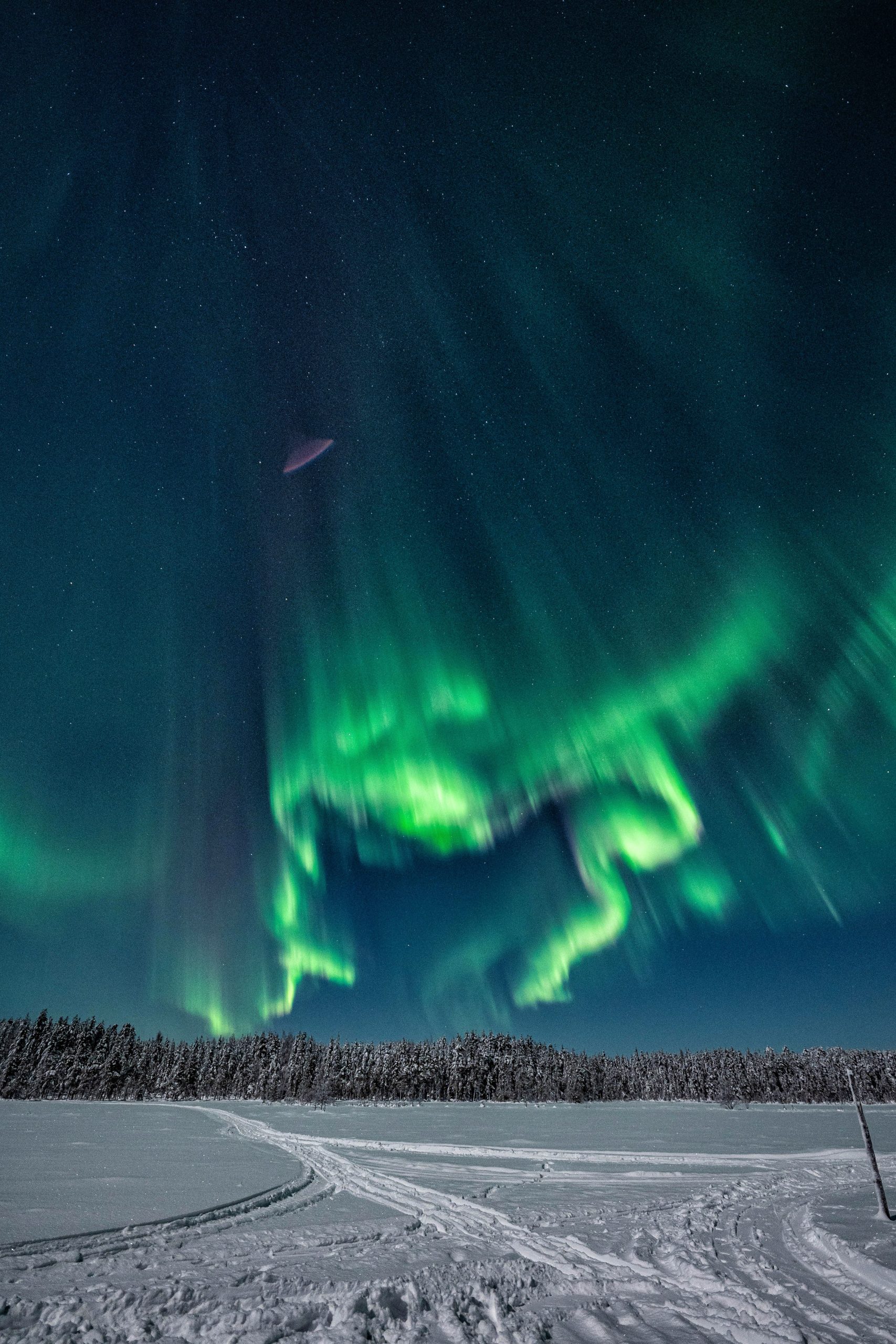
The best time to see the Northern Lights in Lapland is from late September through late March, when the nights are long and dark enough for the aurora to be visible. The peak window is December to February, when polar nights provide maximum darkness. Clear skies and minimal light pollution are essential, making the wilderness areas around Rovaniemi and Ranua particularly rewarding.
The Northern Lights are a natural phenomenon driven by solar activity, so sightings can never be fully guaranteed. However, Lapland’s location well within the auroral zone means that on a clear night, the chances of witnessing them are genuinely high. Staying in a secluded location away from urban light sources significantly improves visibility. Private Northern Lights hunts with an experienced local guide take guests away from any competing light and into the open arctic wilderness, maximizing every opportunity the sky offers.
For those who want the best statistical odds combined with the most comfortable conditions, late January through mid-March balances long dark nights with slightly warmer temperatures than the depths of December.
When is the best time to visit Lapland for snow activities?
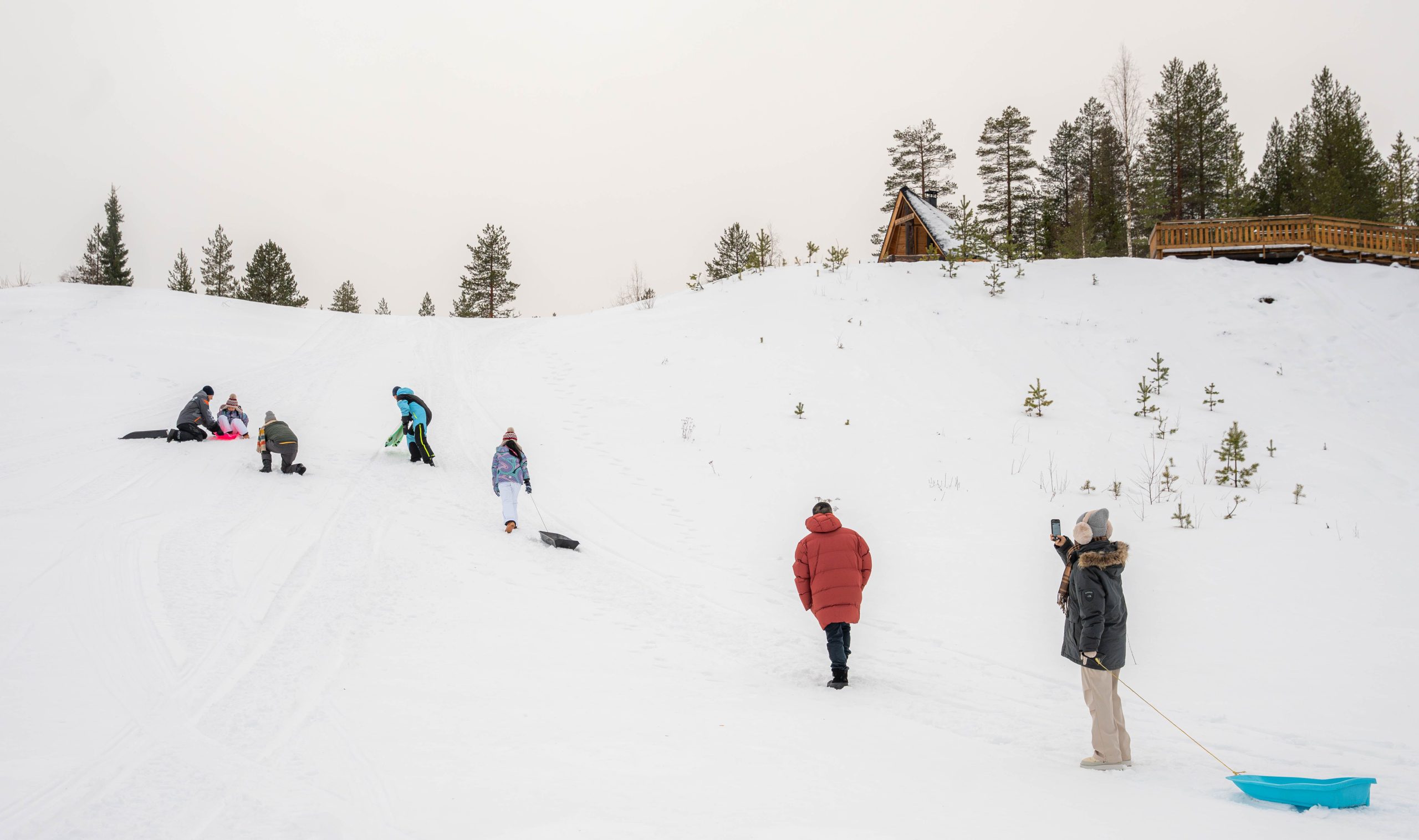
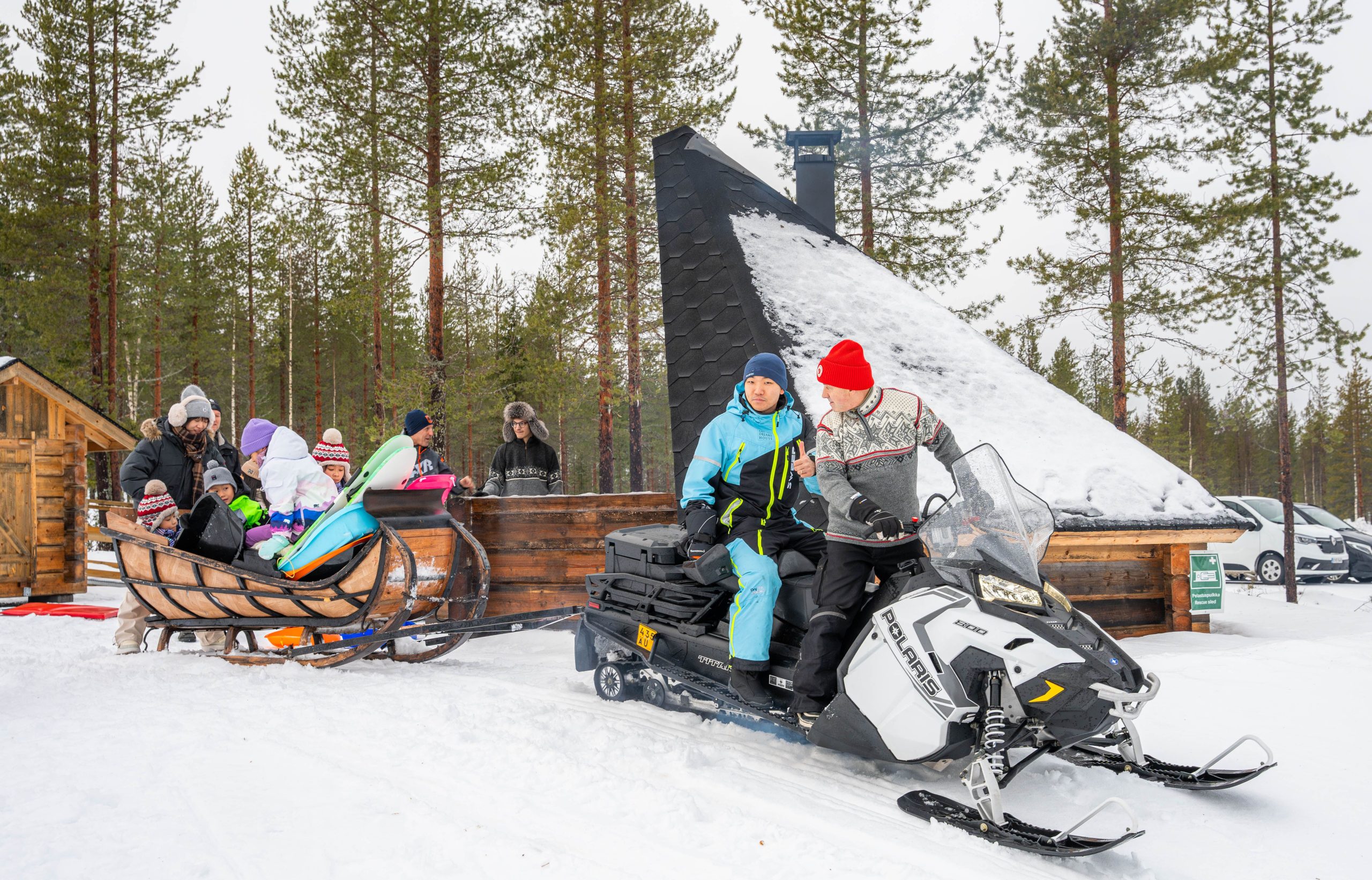
The best time to visit Lapland for snow activities is from December through March, when snow cover is reliable and conditions are ideal for snowmobile safaris, husky and reindeer sleigh rides, ice fishing, and cross-country skiing. January and February typically offer the most stable and deepest snow, with frozen lakes and rivers providing vast, open terrain for winter adventures.
December is popular for its festive atmosphere and guaranteed white scenery, making it a natural fit for families. February and March are favored by those who want both excellent snow conditions and noticeably longer daylight hours, which return quickly after the darkest weeks of winter. By March, the sun is bright and low on the horizon, casting a golden light across the snow that photographers and nature lovers find extraordinary.
It is worth noting that snowmobile safaris, reindeer rides, and other classic Lapland winter experiences are entirely season-dependent. Booking in advance for the December to February window is strongly recommended, as availability for private, bespoke experiences fills quickly during peak season.
What is the Midnight Sun and when does it happen in Lapland?
The Midnight Sun is a natural phenomenon in which the sun remains above the horizon for 24 hours a day, meaning complete daylight around the clock. In Lapland, Finland, the Midnight Sun occurs from approximately early June to mid-July, with the most intense period around the summer solstice on June 21st. In Rovaniemi, the sun does not set at all for several weeks during this time.
The experience is profoundly disorienting and genuinely magical. Hiking at 2 a.m. in warm golden light, kayaking on a glittering river at midnight, or simply sitting on a terrace watching the sun hover above the treeline are experiences that stay with visitors long after they return home. The extended daylight also energizes outdoor activities, as there is no pressure to return before dark.
For families with children or guests who prefer warmth and greenery over snow, the Midnight Sun season in June and July represents one of Lapland’s most unique and underappreciated travel windows.
Is summer or winter better for visiting Lapland?
Neither summer nor winter is objectively better for visiting Lapland. The right choice depends entirely on what you are looking for. Winter offers the Northern Lights, snow activities, and a fairytale white landscape, while summer delivers the Midnight Sun, lush forests, warm temperatures, and exceptional hiking and water activities. Both seasons showcase Lapland at its most extraordinary.
Winter in Lapland is the more globally recognized experience. The imagery of dog sledding through snow-laden forests, watching the aurora shimmer overhead, and meeting Santa Claus in a pristine winter setting has made the region world-famous. It suits those who want immersive cold-weather adventure and the full sensory impact of a true arctic winter.
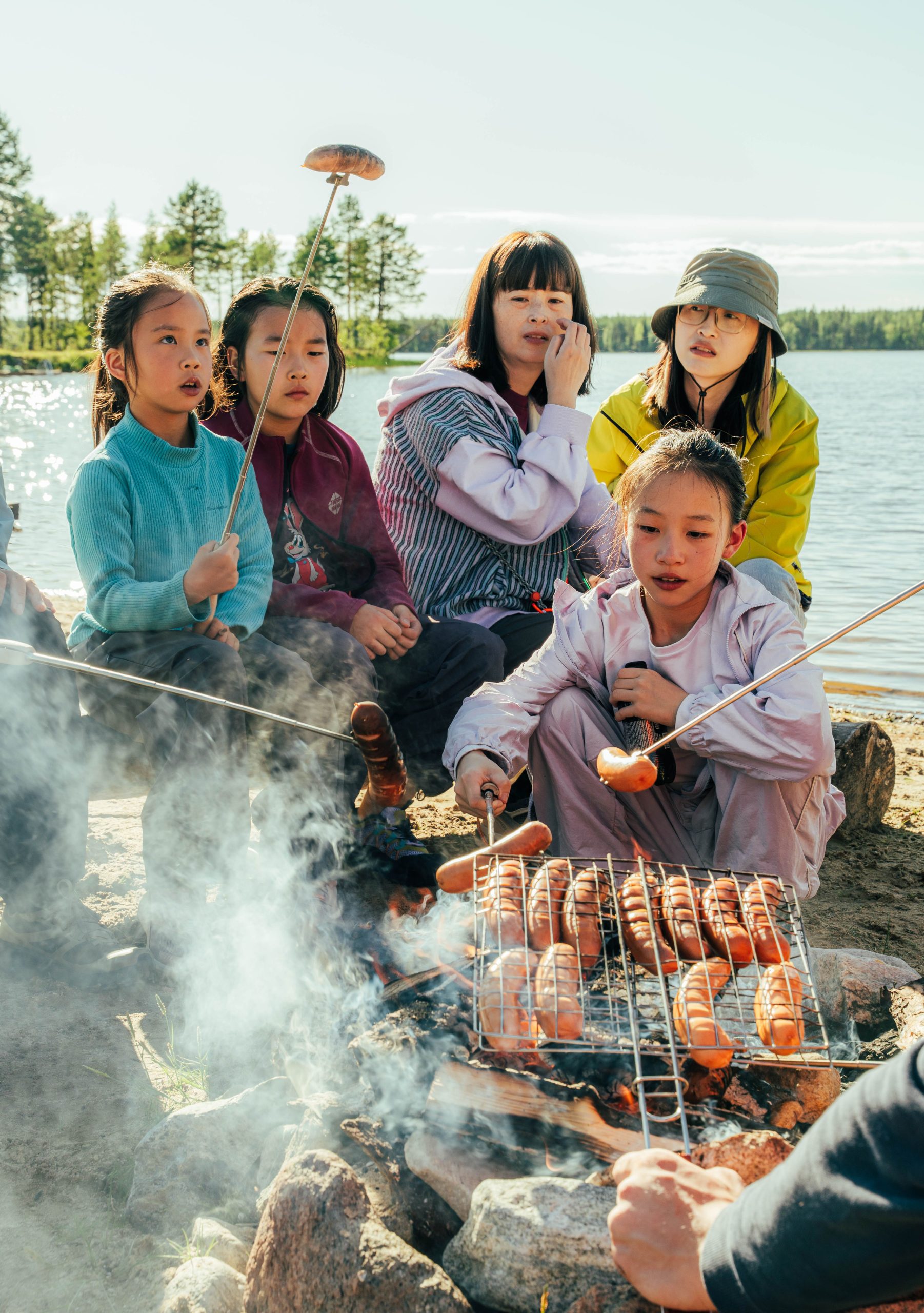
Summer Lapland is quieter, warmer, and often more affordable. The landscape is lush and alive, with berries, wildflowers, and wildlife thriving in the long days. Fishing, hiking, canoeing, and cycling are all at their best. For guests who want to experience the raw beauty of arctic nature without the cold, summer is a compelling and often surprising choice.
Autumn and spring occupy a middle ground. Autumn ruska is breathtaking for nature lovers seeking color and calm, while spring offers a sense of awakening and rapid change that feels genuinely alive. Both are ideal for travelers who prefer fewer crowds and a more reflective pace.
When should you avoid traveling to Lapland?
The period most worth avoiding for a first visit to Lapland is late April through late May, known locally as the “off-season” or shoulder period after winter ends. During this time, snow has melted but summer has not yet arrived. Trails can be muddy and waterlogged, many winter activity operators have closed for the season, and the landscape is in an in-between state that lacks the drama of either winter or summer.
Similarly, early November can be unpredictable. Snow may or may not have arrived, darkness is increasing, and conditions are not yet stable enough for reliable winter activities. Guests who arrive expecting a winter wonderland in early November occasionally find gray skies and patchy ground cover instead.
That said, “avoiding” is a relative term. Experienced travelers and those with flexibility often find value in these quieter windows precisely because they offer solitude, lower demand, and an unfiltered glimpse of Lapland between its headline seasons. For a first visit, however, planning around the established seasonal highlights ensures the experience meets expectations.
Whatever season calls to you, the key to a seamless and truly memorable journey is thoughtful planning. If you would like help building a bespoke itinerary around the best Lapland has to offer, reach out to the Arctic Dreams House team and let us craft something exceptional around your travel dates.