Families with young children can travel comfortably in Lapland by choosing private, well-equipped accommodation, packing the right layered clothing, and selecting age-appropriate activities that match a young child’s pace and stamina. The key is preparation: Lapland rewards families who plan ahead, from thermal gear to flexible itineraries. The questions below cover everything from timing and temperature management to accommodation and logistics.
What makes Lapland a good destination for young children?
Lapland is an exceptional destination for young children because it delivers experiences that feel genuinely magical at that age – snow-covered forests, reindeer, the possibility of meeting Santa, and the Northern Lights – all within a safe, low-crime, and well-organized travel environment. Finland consistently ranks among the world’s safest countries, and Lapland’s tourism infrastructure is well suited to families.
Young children are naturally captivated by the arctic landscape in ways that older travelers sometimes have to work to appreciate. A two-year-old seeing a reindeer for the first time or touching fresh powdery snow experiences something genuinely new. The sensory richness of Lapland – the silence of a snowy forest, the warmth of a wood-burning sauna, the glow of the Northern Lights – creates memories that last well beyond childhood.
Rovaniemi, the regional capital of Lapland, is also a practical base. It has an international airport with direct flights from many European cities, a range of family-friendly services, and easy access to wilderness experiences without requiring long overland journeys with tired children.
When is the best time to visit Lapland with young children?
The best time for a Lapland family holiday with young children is from late November through early March. This window offers reliable snow cover, the highest chance of seeing the Northern Lights, and the full winter wonderland atmosphere that makes Lapland so compelling for families. Christmas week and the first weeks of January are peak season for a reason – the experience is at its most vivid.
For families who want snow but prefer slightly longer daylight hours and milder temperatures, February and early March offer a good balance. Days are noticeably longer than in December, temperatures are still cold enough for snow activities, and the landscape remains pristine. Late March can bring spring skiing conditions, which suit older children better than toddlers.
Families interested in the Midnight Sun should consider visiting in June or July. While this is a completely different experience from a winter visit, young children often respond well to the endless daylight, and the summer landscape of Lapland – with its lakes, rivers, and lush forests – is genuinely beautiful. However, most families traveling with young children specifically seek the winter experience, and for that, December through February remains the clear recommendation.
How do families keep young children warm and comfortable in arctic temperatures?
The most effective way to keep young children warm in arctic temperatures is the layering system: a moisture-wicking base layer, an insulating mid-layer, and a windproof and waterproof outer layer. For toddlers and infants who cannot move around to generate body heat, quality one-piece snowsuits rated to at least minus 20 degrees Celsius are essential. Wool socks, insulated boots, mittens, and a hat that covers the ears complete the outfit.
Several practical points help families manage comfort throughout the day:
- Rent or buy locally: Rovaniemi has shops and rental services that stock children’s arctic clothing in the correct sizes and insulation ratings. Bringing all outerwear from home adds significant luggage weight and bulk.
- Limit outdoor time for the youngest children: Infants and toddlers under two should not be outdoors in extreme cold for extended periods. Plan short outdoor excursions with warm indoor spaces nearby.
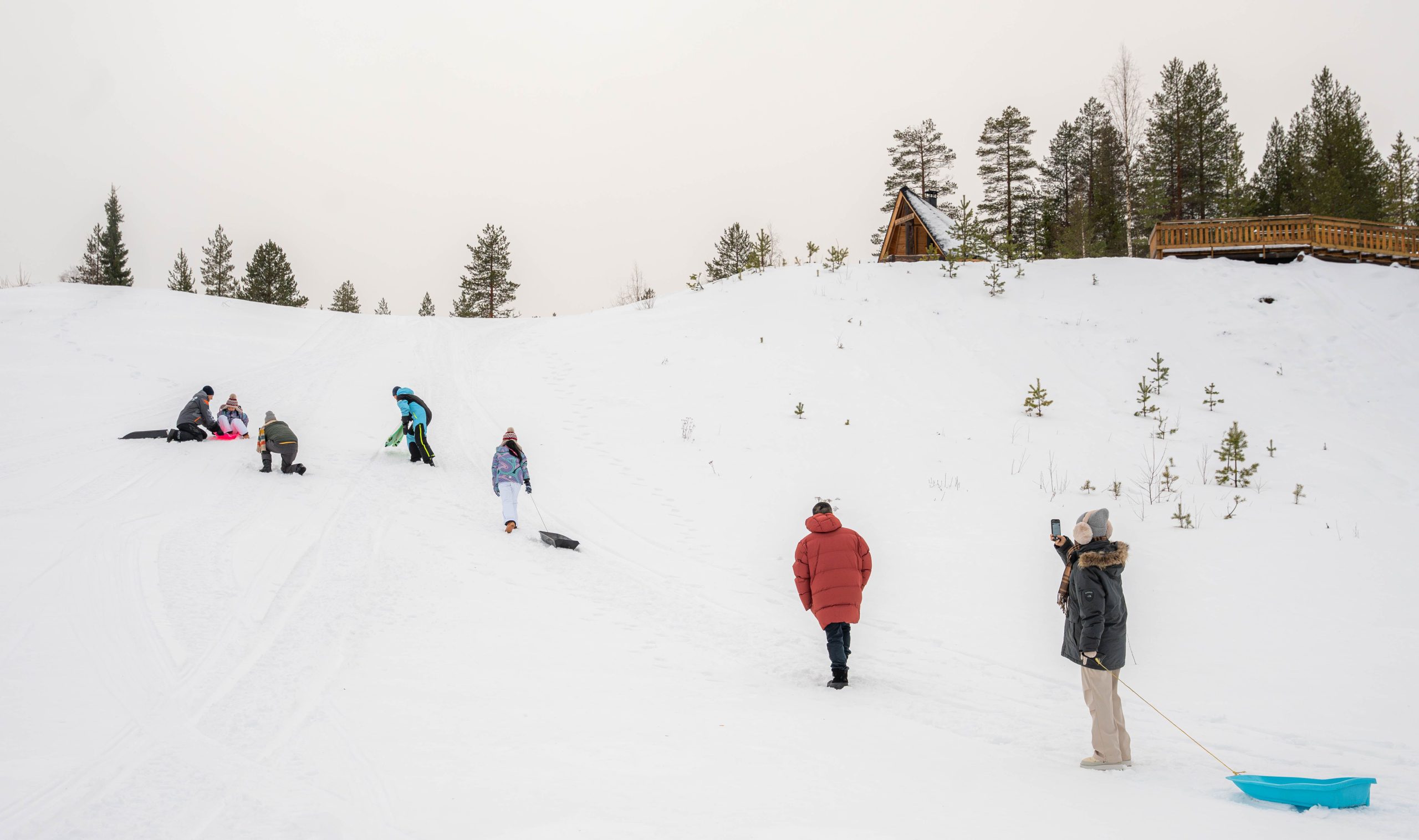
- Use a covered pulk or sled: Young children who are not walking independently can ride in an insulated pulk, which protects them from wind and keeps them warmer than a stroller.
- Warm up regularly: Build planned warm-up breaks into every outdoor activity. A hot drink and ten minutes indoors resets a young child’s core temperature effectively.
- Protect exposed skin: Cheeks and noses are the most vulnerable. A neck gaiter or balaclava that covers the lower face adds meaningful protection during colder days.
Accommodation with a private sauna is particularly valuable for families with young children. After a day outdoors, a gentle sauna session warms children thoroughly and forms part of the authentic Finnish wellness tradition that makes a Lapland trip distinctive.
What activities in Lapland are suitable for very young children?
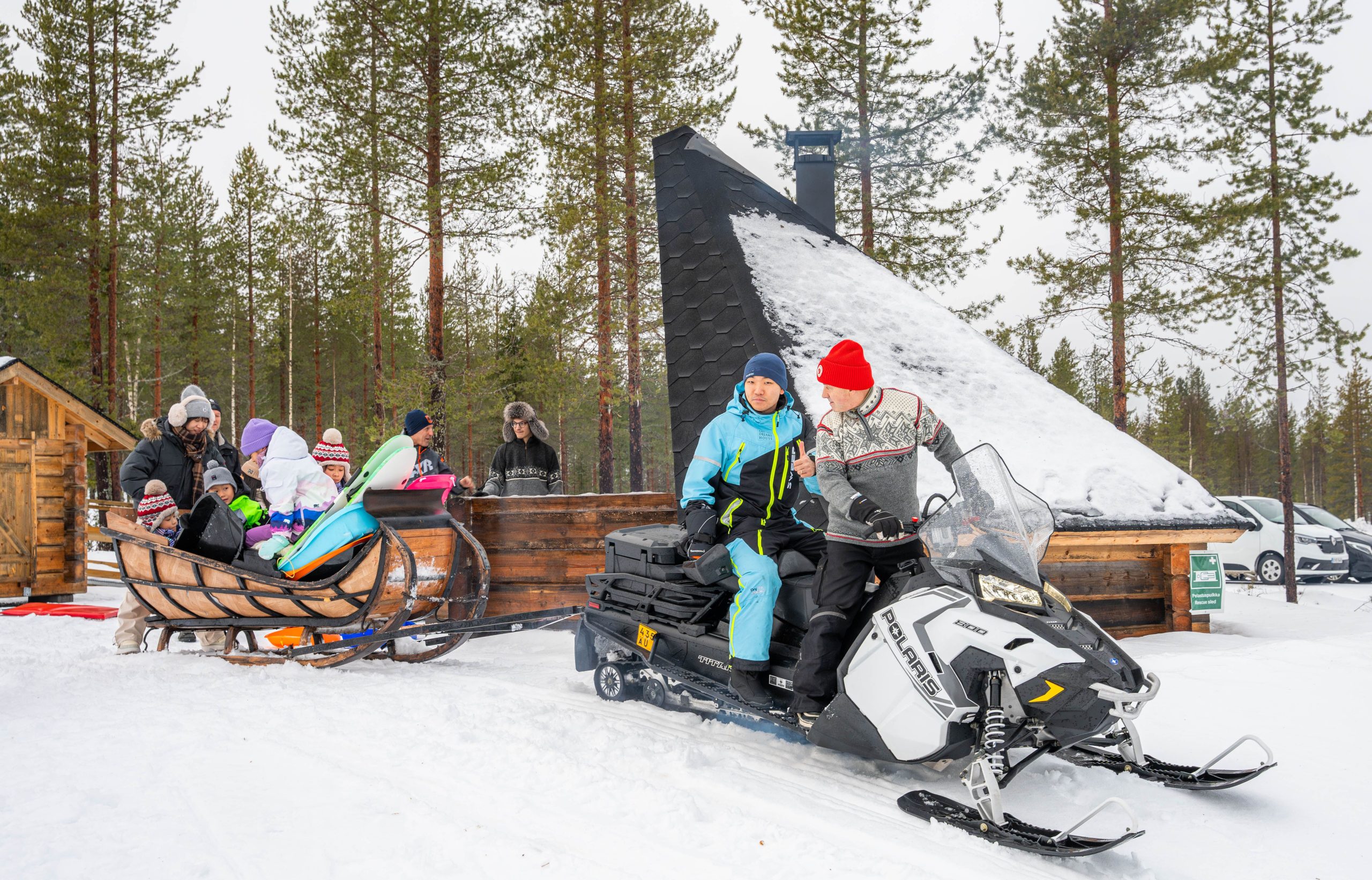
Very young children, including toddlers and infants, can comfortably enjoy reindeer sleigh rides, gentle husky sled rides, snowshoe walks through forest trails, visits to animal parks, and private Santa experiences. These activities are low-intensity, manageable in short sessions, and deliver the kind of immediate, sensory wonder that young children respond to most strongly.
Reindeer sleigh rides are particularly well suited to the youngest visitors. Children ride bundled in warm blankets, the pace is slow and calm, and the experience requires no physical effort from the child. Husky rides are similarly accessible, though the noise and energy of the dogs can occasionally overwhelm very young toddlers – a private, smaller-scale experience reduces this risk significantly.
A private Santa meeting is consistently one of the most memorable experiences for children under seven. Unlike a busy public grotto with queues and crowds, a fully private Santa visit allows the child to engage at their own pace, without the anxiety that comes from waiting in line surrounded by strangers. The intimacy of a private encounter makes it genuinely meaningful rather than a rushed moment.
Guided visits to wildlife parks such as Ranua Zoo offer young children the chance to see polar bears, arctic foxes, wolverines, and other northern animals in a natural setting. The park is walkable and accessible for strollers and small children, making it an excellent half-day option that does not require high stamina.
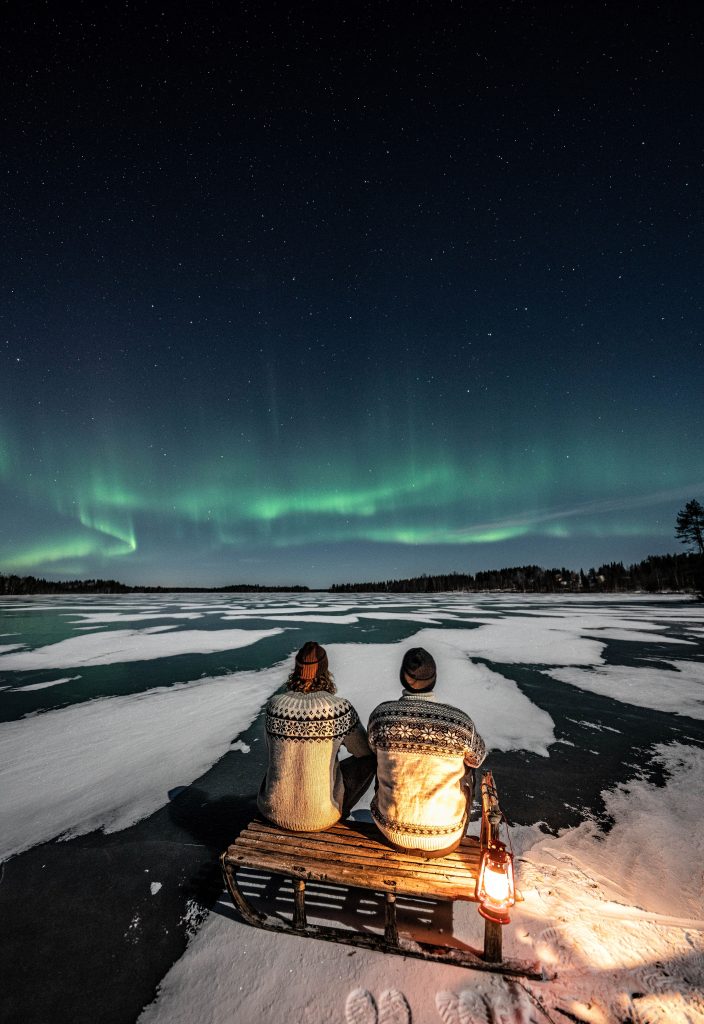
Snowmobile safaris and Northern Lights hunting expeditions are better suited to families with children aged six and above, as they involve longer durations and later evenings. That said, a short Northern Lights viewing session from a warm, private setting can be arranged even for the youngest children if conditions are favorable.
What type of accommodation works best for families with young children in Lapland?
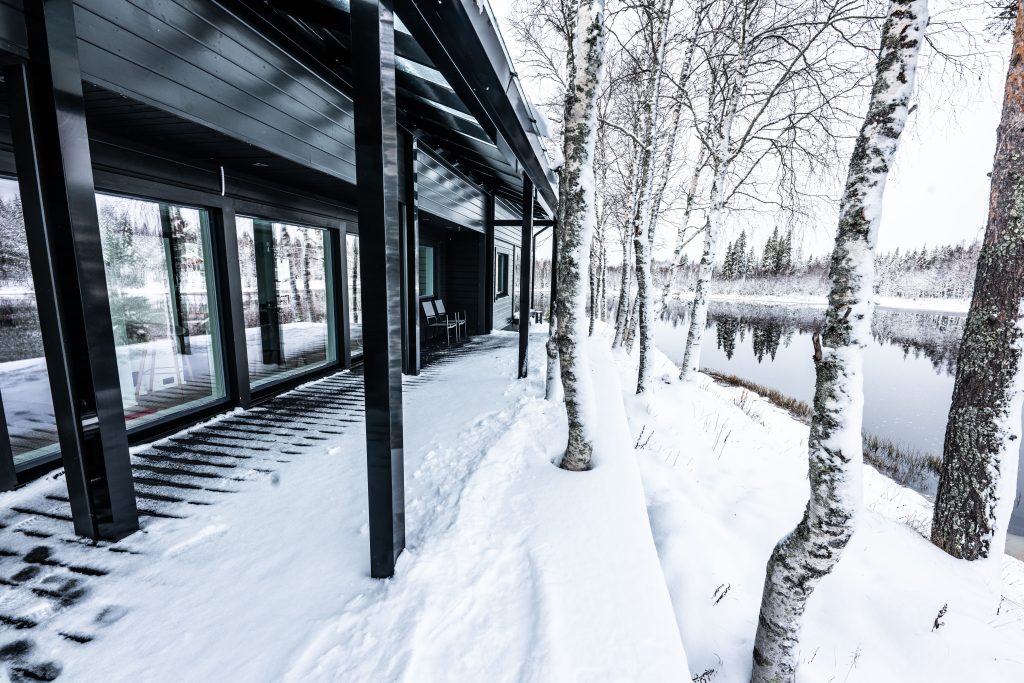
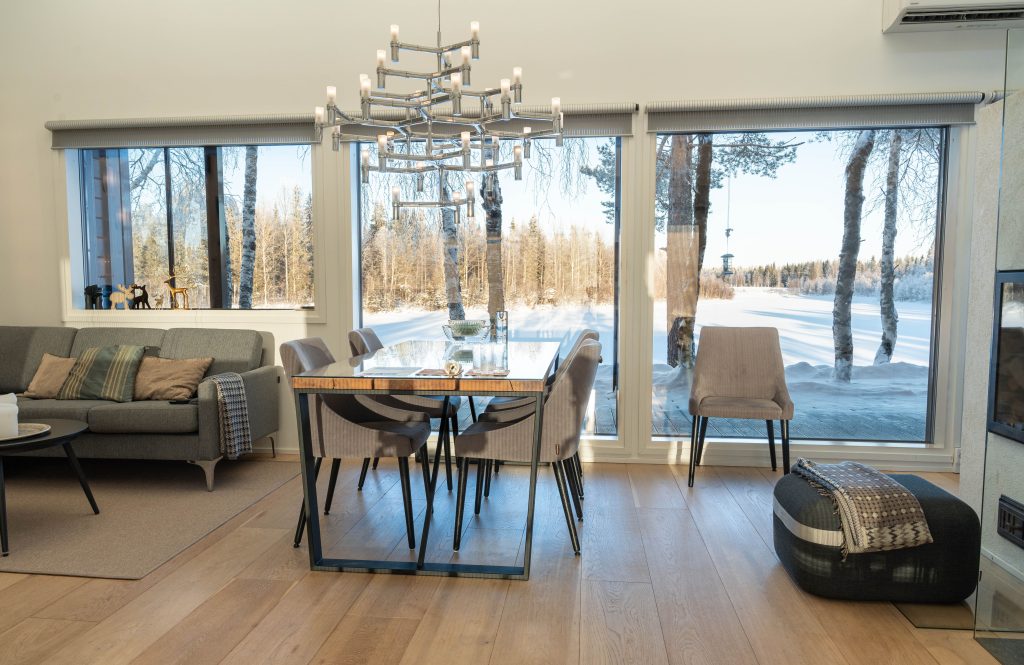
Private villas, cottages, and self-contained apartments work best for families with young children in Lapland. These properties offer the space, flexibility, and home-like amenities that young families need – fully equipped kitchens for preparing familiar meals, private saunas, separate sleeping areas, and the freedom to follow a child’s schedule without the constraints of a hotel environment.
The advantages of private family accommodation in Lapland are significant:
- Flexible meal times: Young children eat and sleep on their own schedule. A fully equipped kitchen allows families to prepare meals whenever needed, rather than working around restaurant hours.
- Private sauna: A sauna is not just a luxury in Lapland – it is a practical tool for warming children after outdoor activities and an authentic part of Finnish culture.
- Space to move: Young children need room to play, nap, and decompress. A private villa or apartment provides this without disturbing other guests.
- Dedicated parking with car preheating: Arriving at accommodation with a warm car ready for the next morning’s excursion is a genuine comfort when managing young children in cold conditions.
- No shared spaces or crowds: Privacy means children can be children – noisy, unpredictable, and energetic – without the social pressure of a shared hotel environment.
Arctic Dreams House offers a portfolio of private villas and apartments across Rovaniemi and Ranua, designed with families in mind. Properties include private saunas, fireplaces, fully equipped kitchens, and dedicated parking with car preheating sockets – all the practical details that make a significant difference when traveling with young children in the arctic.
How do families manage travel logistics with young children in Lapland?
Families manage travel logistics with young children in Lapland most effectively by keeping transfers short, booking private transportation where possible, and building significant rest time into each day. Rovaniemi Airport has direct connections from several major European cities, which eliminates the need for long domestic connections with tired children. Once in Lapland, a private chauffeur or pre-arranged transfers reduce the stress of navigating unfamiliar roads in winter conditions.
A few logistical priorities make the biggest difference in practice:
- Arrive with a clear first-day plan: Jet lag and travel fatigue affect young children quickly. Plan the first day as a gentle arrival day rather than scheduling a full activity itinerary immediately.
- Use a private chauffeur for transfers: Winter driving in Lapland requires experience with icy roads and arctic conditions. A professional driver removes this concern entirely and ensures child car seats are correctly fitted and available.
- Pack a day bag with essentials: Keep a dedicated bag accessible with extra clothing layers, snacks, a warm drink, and any comfort items. Young children’s needs change quickly in cold weather.
- Book activities in advance: Popular experiences such as reindeer rides and Santa visits book out during the winter season. Securing these before arrival avoids disappointment and allows the itinerary to be built around the child’s energy levels.
- Plan for indoor recovery time: A full day of outdoor activities in arctic cold is exhausting for young children. Alternate active days with quieter days spent indoors, exploring the accommodation, or visiting indoor attractions.
For families who prefer to hand over the planning entirely, a bespoke itinerary arranged through a dedicated contact removes the logistical burden altogether. Getting in touch before arrival allows every detail to be arranged in advance, from airport transfers to activity bookings, so the family can focus entirely on the experience rather than the coordination.