Children visiting Lapland in winter need a proper three-layer clothing system: a moisture-wicking base layer, an insulating mid layer, and a waterproof outer shell. Temperatures in Lapland regularly drop to between -15°C and -30°C, so layering is not optional; it is the foundation of keeping children safe and comfortable outdoors. The sections below walk through each layer, key accessories, gear choices, and practical decisions for families planning a winter trip.
If you are still putting together your Lapland itinerary, explore the full range of arctic activities available through Arctic Dreams House, from Northern Lights hunts to husky rides and snowshoe treks.
How cold does Lapland actually get in winter?
Lapland winters are genuinely cold. Temperatures typically range from -5°C on mild days to -30°C or colder during deep winter, with the coldest months being January and February. Wind chill can push the felt temperature significantly lower, especially during outdoor activities in open terrain. Children feel the cold faster than adults, so dressing for the lower end of the temperature range is always the right approach.
December through March is the primary winter season for visitors. Early December tends to be milder, while late January and February bring the harshest cold. Even a brief outing, a short walk to a reindeer farm, a snowmobile safari, or a Northern Lights hunt, can expose children to extreme temperatures for extended periods. Planning clothing around the coldest realistic scenario, not the average forecast, protects children from discomfort and cold-related risk.
The good news is that Lapland’s cold is dry and still compared to coastal climates, which makes it more manageable when children are dressed correctly. A well-layered child can play outside comfortably for hours even at -20°C.
What is the base layer children should wear in Lapland?
The base layer for children in Lapland should be a close-fitting, moisture-wicking thermal garment, ideally made from merino wool or a high-quality synthetic material. Its job is to pull sweat away from the skin and keep the body dry. A wet base layer rapidly drains body heat, so fabric choice here is critical. Cotton is not suitable and should be avoided entirely in arctic conditions.
Merino wool is widely regarded as the best base layer material for children in extreme cold. It regulates temperature naturally, resists odor, and remains warm even when slightly damp. High-quality synthetics such as polypropylene are a practical alternative and tend to dry faster. Look for a snug but not restrictive fit so the layer sits close to the skin and functions as intended.
Children should wear both a long-sleeved top and long thermal leggings as the base layer. Some parents also add a thin merino neck gaiter at this layer, which provides additional warmth around the neck and lower face without adding bulk.
How many layers do children need to stay warm in Lapland?
Children need three layers to stay warm in Lapland: a moisture-wicking base layer, a warm insulating mid layer, and a windproof, waterproof outer shell. This three-layer system is the standard approach used by locals and professional arctic guides, and it works because each layer serves a distinct function that the others cannot replace.
- Base layer: Merino wool or moisture-wicking synthetic thermal underwear, top and bottom. Keeps skin dry by drawing perspiration away from the body.
- Mid layer: A fleece jacket and fleece or padded trousers. Traps warm air close to the body and provides the primary insulation against the cold.
- Outer layer (shell): A waterproof, windproof ski jacket and ski trousers or a full snowsuit. Blocks wind, repels snow and moisture, and seals in the warmth from the layers beneath.
For very young children or during the coldest days, an additional thin insulating vest under the mid layer can add meaningful warmth without restricting movement. The key principle is that layers can be added or removed as activity levels change. A child running around and playing will generate more body heat than one sitting on a sleigh, so flexibility matters.
What should children wear on their hands, feet, and head in Lapland?
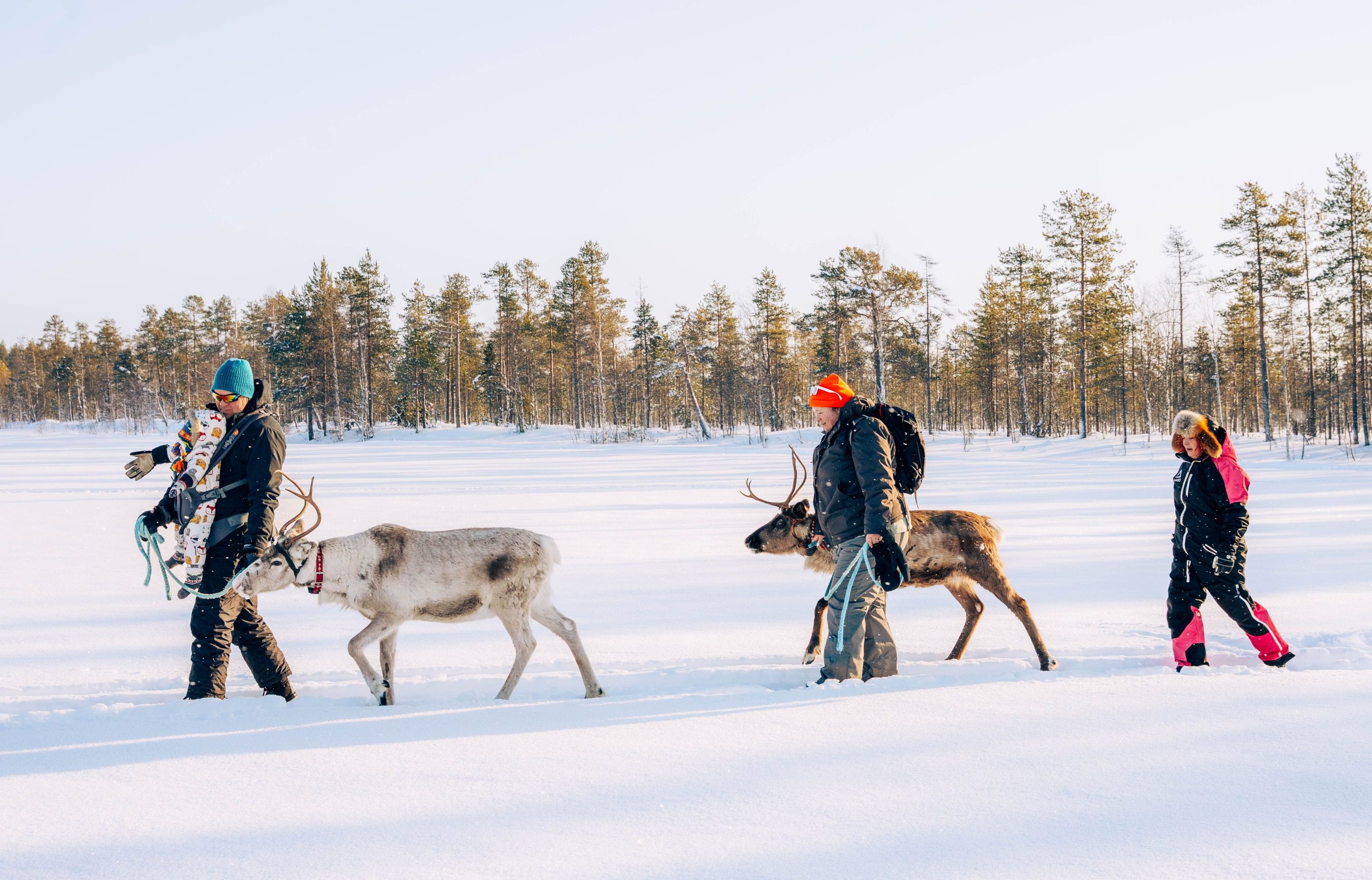
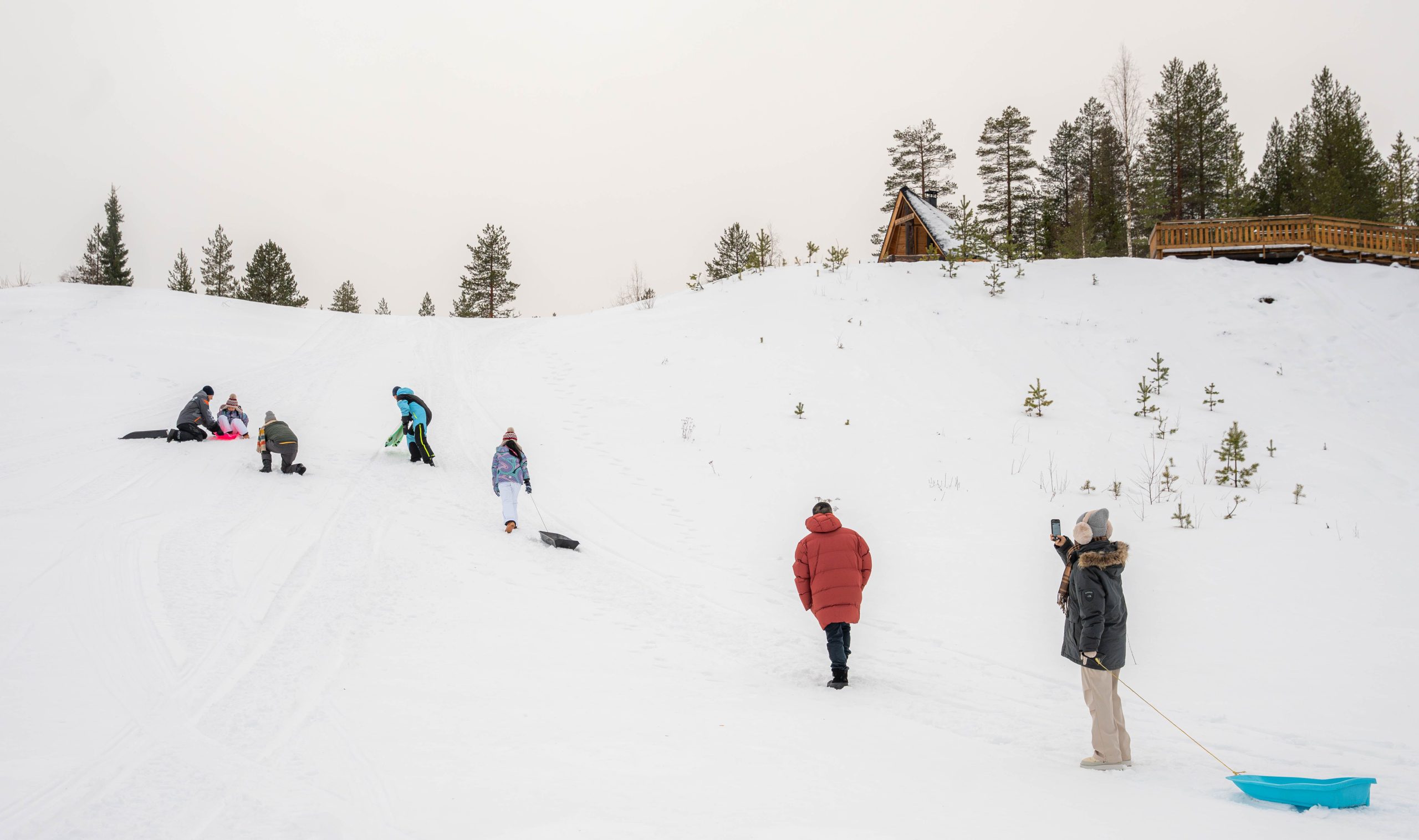
Children’s hands, feet, and head are the most vulnerable areas in arctic cold and require dedicated, high-quality protection. Mittens are warmer than gloves for children because fingers share heat when grouped together. Feet need insulated, waterproof winter boots rated to at least -30°C, and the head needs a warm hat that covers the ears fully, ideally worn under a helmet or hood for added protection.
Hands
Use a two-layer approach: a thin liner glove underneath a thick, waterproof outer mitten. This combination allows children to briefly remove the outer mitten without immediately losing warmth. Mittens with long cuffs that overlap the jacket sleeve prevent gaps where cold air and snow can enter.
Feet
Winter boots for Lapland should be insulated to at least -30°C and have a waterproof outer shell with a grippy sole for icy surfaces. Pair the boots with thick wool socks; one pair is usually sufficient if the boot fits correctly. Avoid packing boots too tightly with extra socks, as compression reduces blood circulation and makes feet colder, not warmer.
Head and face
A warm fleece or wool hat covering the ears is essential. A balaclava or neck gaiter that can be pulled up over the lower face adds significant protection during windy conditions or Northern Lights excursions after dark. Ski goggles protect children’s eyes during snowmobile rides or snowshoeing in bright conditions.
What’s the difference between a snowsuit and a ski suit for kids in Lapland?
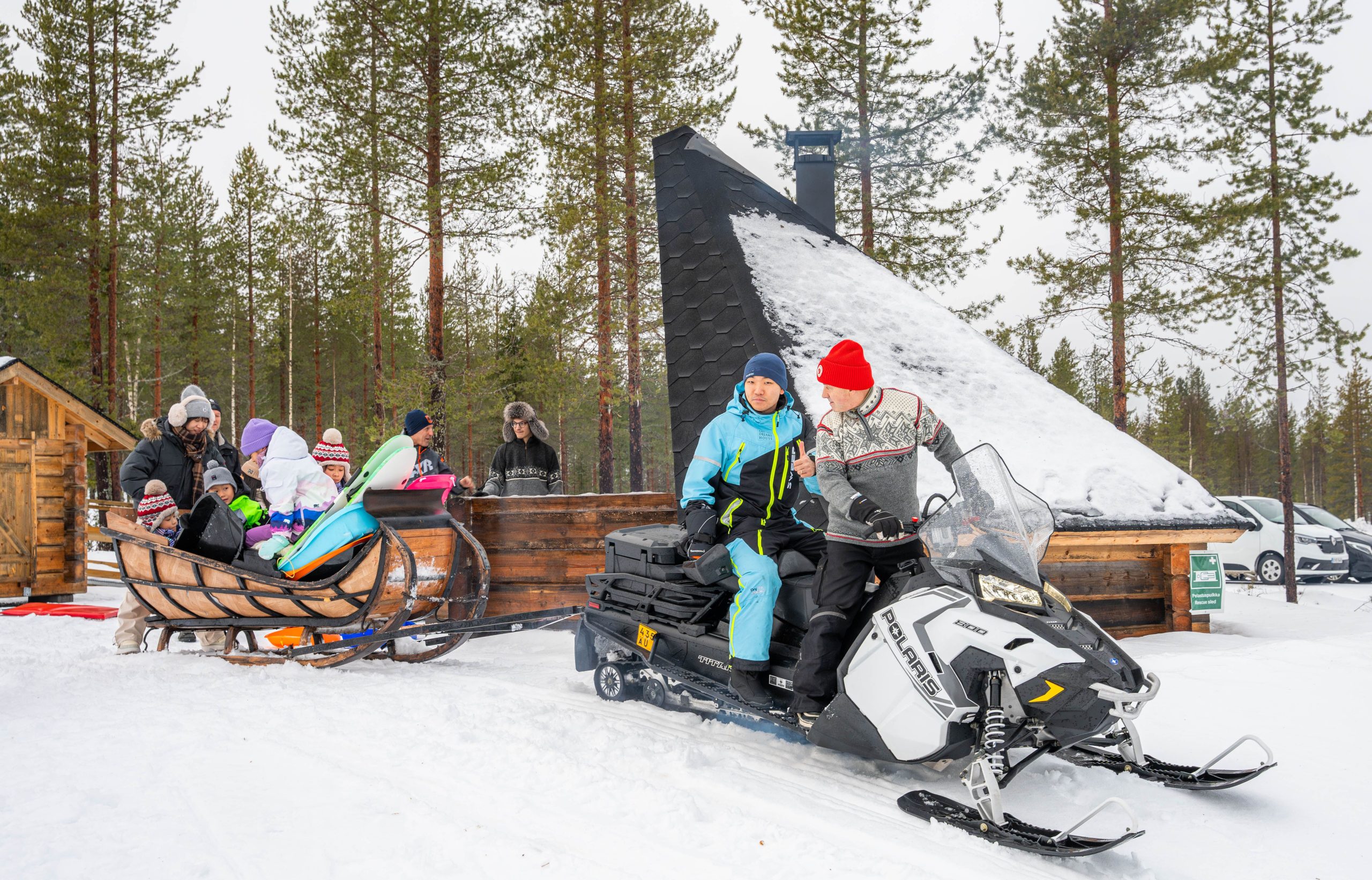
A snowsuit is a single-piece all-in-one garment that combines jacket and trousers, offering maximum coverage and warmth with no gap at the waist, ideal for toddlers and young children. A ski suit is typically a two-piece set of a ski jacket and ski trousers that offers more flexibility and adjustability, making it better suited to older children and more active pursuits.
For children under five, a snowsuit is generally the better choice for Lapland. The one-piece design eliminates the risk of a cold gap forming at the lower back when a child bends, reaches, or falls into the snow. It is also simpler to put on and take off, which matters when dressing small children in freezing temperatures.
For children aged six and older, a two-piece ski suit offers practical advantages. Jacket and trousers can be adjusted or replaced independently as children grow, and the two-piece system makes toilet breaks considerably easier. A two-piece also allows finer temperature regulation: the jacket can be removed indoors while the trousers stay on.
Regardless of which style you choose, look for sealed seams, a waterproof rating of at least 10,000 mm, and taped or elasticated cuffs that close securely around boots and mittens.
Should you buy or rent children’s winter gear for a Lapland trip?
For most visiting families, renting children’s winter gear in Lapland is the more practical and cost-effective choice. High-quality arctic clothing for children is expensive to purchase, takes up significant luggage space, and is often outgrown before the next winter trip. Renting locally ensures the gear is already rated for Lapland conditions and eliminates the hassle of transporting bulky items.
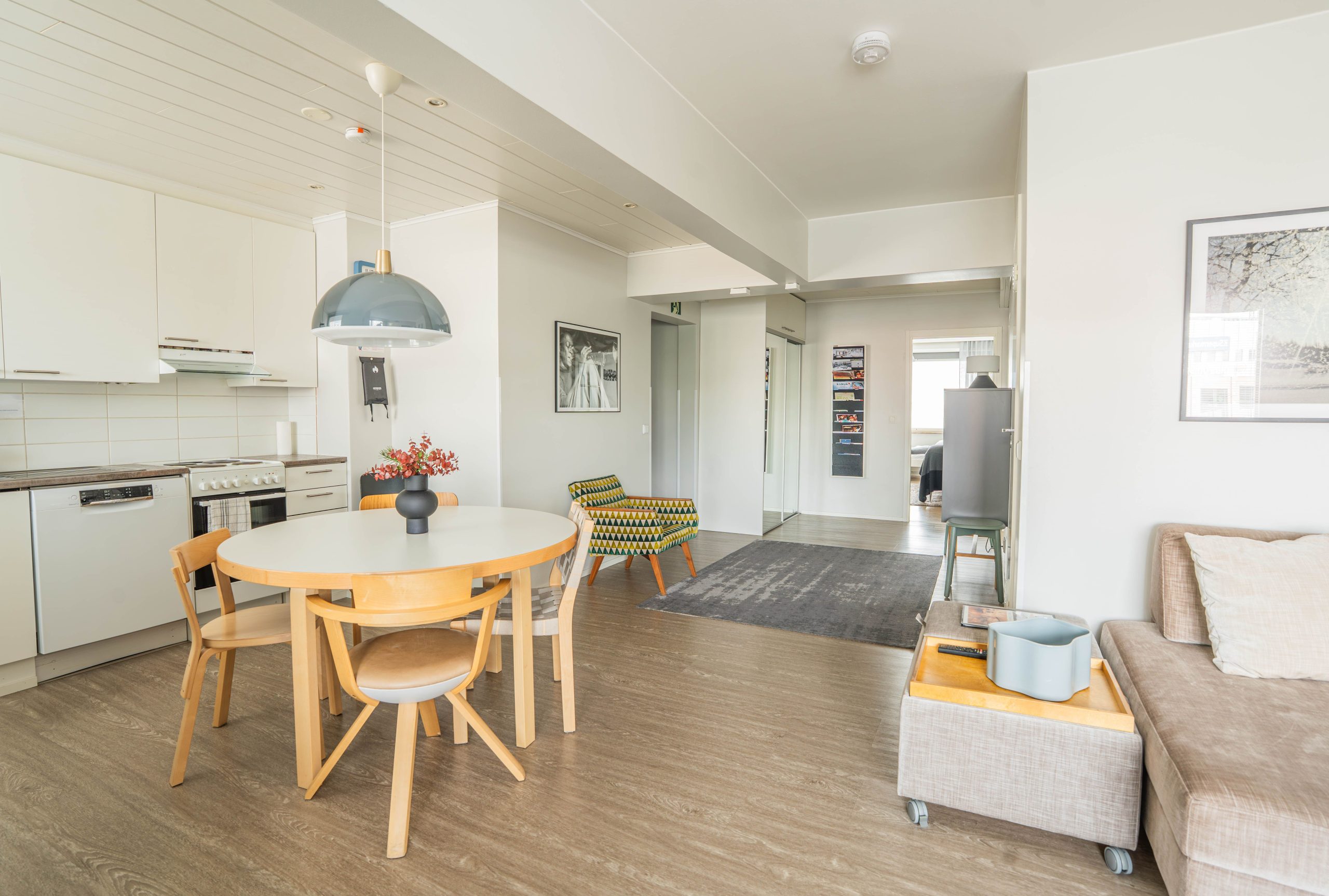
Arctic Dreams House offers winter clothing rental for guests, making it straightforward to arrive without a suitcase full of snowsuits. This is particularly valuable for families staying in the city center, such as those booking The Luxury Downtown Rovaniemi, an 85 m² premium apartment in the heart of Rovaniemi accommodating up to ten guests, where luggage space is not a limiting factor but packing convenience still matters.
Buying makes more sense if your family visits Lapland regularly, if your children are between sizes and rental availability is uncertain, or if you have strong preferences about specific brands and fit. In that case, invest in quality from the start; well-made arctic children’s clothing from Scandinavian brands holds up for several seasons and retains resale value.
A practical middle ground: purchase base layers and wool socks, which are lightweight, easy to pack, and highly personal in fit, then rent the bulkier outer layers locally.
Making the most of your Lapland winter trip
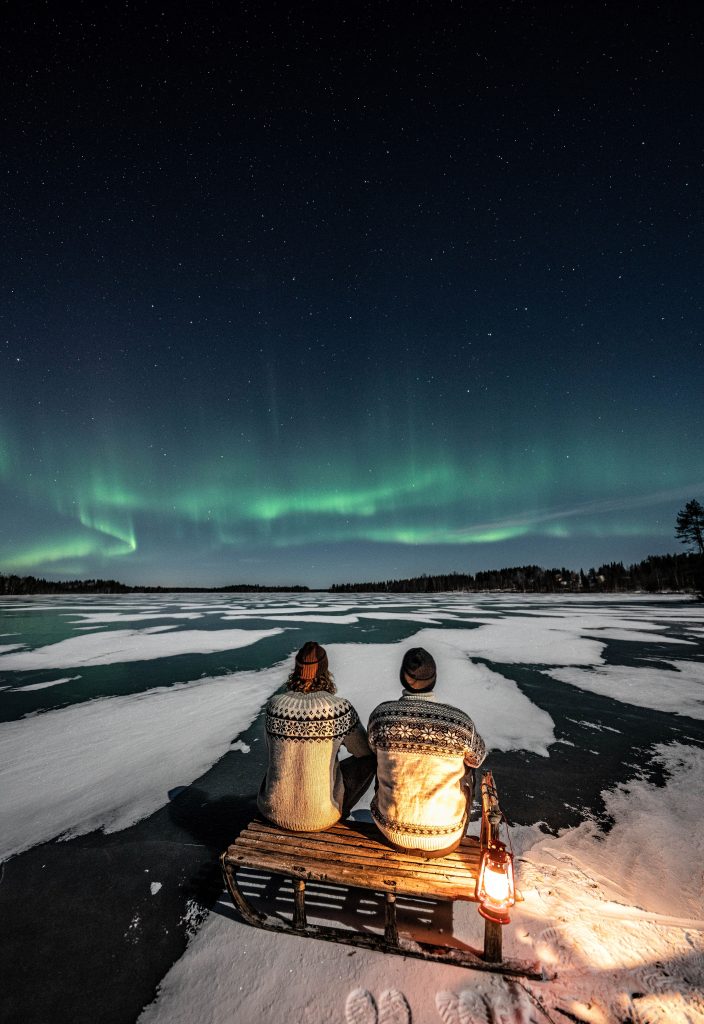
Getting the clothing right is the first step toward a genuinely comfortable Lapland experience for children. Once they are dressed for the cold, the full magic of a Lapland winter opens up, from snowshoeing through silent forests to husky rides and sauna evenings. The most memorable experience for many families is a Northern Lights hunting excursion, where children wrapped in proper arctic layers can stand under a sky lit by the aurora borealis without feeling the cold.
Arctic Dreams House organizes private Northern Lights hunts as well as a full range of bespoke winter activities. For families who want to add something truly unforgettable to their itinerary, a visit to Private Santa in Ranua offers an exclusive, crowd-free meeting with Santa Claus in the Lapland wilderness, a deeply personal experience far removed from the commercial bustle of larger tourist venues.
To see everything available during your stay, browse all arctic activities and plan your winter itinerary around the experiences that matter most to your family.