Lapland private villas handle guest arrivals in extreme winter conditions by preparing every detail in advance, from heated interiors and cleared access roads to pre-warmed vehicles and round-the-clock host availability. The arrival experience at a premium villa in the Rovaniemi area is designed to feel seamless regardless of the temperature outside. The sections below answer the most common questions travelers have before arriving at a Lapland villa in deep winter.
What happens when guests arrive at a Lapland villa in -30°C temperatures?
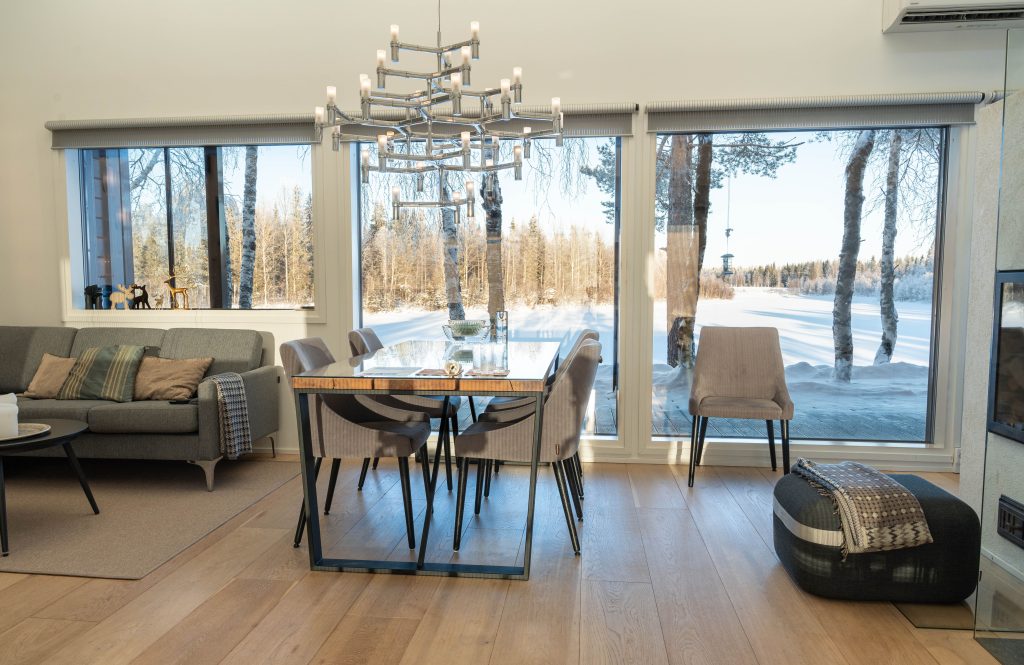
When guests arrive at a Lapland private villa in -30°C temperatures, the property is already fully heated, lit, and ready for immediate comfort. A professionally managed villa ensures that no guest steps into a cold or dark space. The transition from the frozen outdoors to a warm, welcoming interior happens within seconds of crossing the threshold.
At well-prepared Lapland accommodation, the sauna is typically preheated, the fireplace is lit or ready to ignite, and the kitchen is stocked according to any pre-arrival requests. Guests arriving after long international flights do not need to wait for the space to warm up or figure out heating systems on their own. Everything is operational from the moment of arrival.
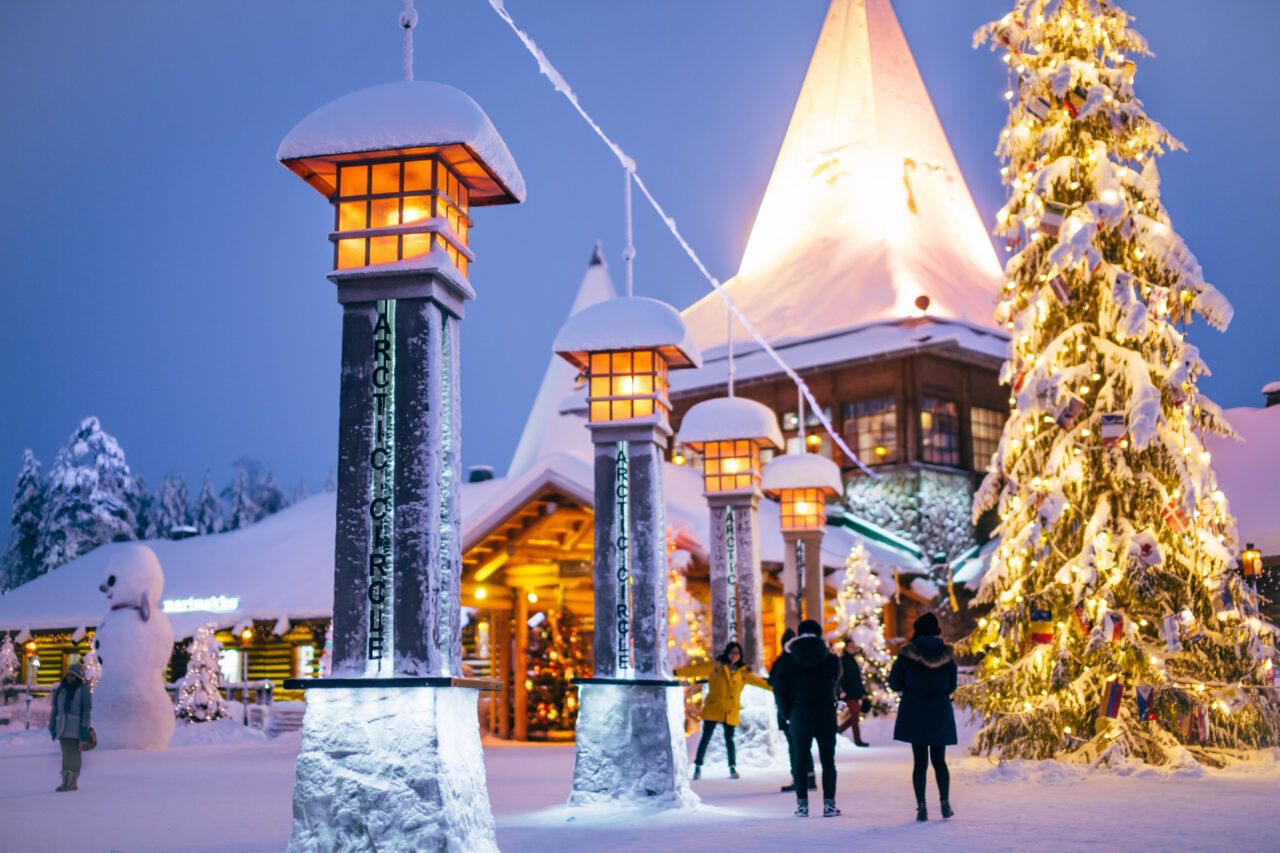
The psychological contrast is also part of the experience. Stepping from pitch-black, sub-zero arctic air into a glowing, timber-scented villa with underfloor warmth and soft lighting is one of the defining sensory moments of a Lapland winter stay. Premium villas design this transition deliberately, treating the arrival itself as the first impression of the entire stay.
How do private villas prepare roads and entrances for winter access?
Private villas in Lapland prepare roads and entrances for winter access through regular plowing, sand or gravel gritting, and maintained parking areas with electrical power sockets for vehicle preheating. In extreme cold, these preparations are carried out on the day of arrival to ensure the access route is safe and passable at the time guests actually arrive, not just hours beforehand.
Dedicated parking spaces at well-managed Lapland villas include power outlets that allow guests arriving by rental car to plug in their engine block heaters overnight. This is not a minor convenience in -30°C conditions. A car that has not been preheated may refuse to start in the morning, making this amenity genuinely essential for independent travelers.
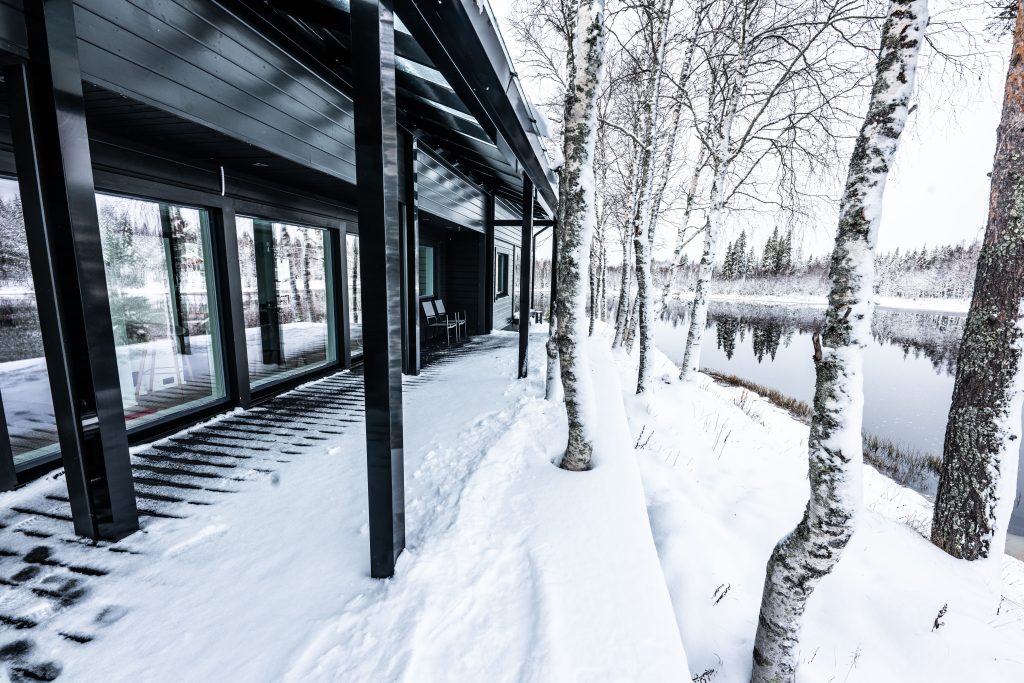
Entrance paths and steps are treated separately from the main driveway. Ice on a short walkway is just as dangerous as an unplowed road, and responsible villa operators clear and grit these surfaces before every arrival. Exterior lighting along the approach is also maintained to ensure guests can navigate safely after dark, which in Lapland in winter can mean any time after early afternoon.
What should guests pack or wear for a late-night arctic arrival?
For a late-night arctic arrival at a Lapland villa, guests should wear or pack insulated waterproof boots rated to at least -30°C, thermal base layers, a windproof outer shell, and insulated gloves and a hat that covers the ears. Even a short walk from a vehicle to a villa entrance in extreme cold can cause discomfort if clothing is inadequate.
The most commonly underestimated items are footwear and hand protection. Fashionable winter boots that perform well in European cities are rarely sufficient for genuine Lapland temperatures. Grip is also critical because ice underfoot is the norm, not the exception. Boots with rubber lugged soles or removable ice cleats significantly reduce the risk of slipping on arrival.
For guests flying into Rovaniemi with luggage restrictions, it is worth layering heavily on the plane and packing the bulkiest items in carry-on bags rather than checked luggage. A delayed bag in arctic winter conditions is a far more serious inconvenience than in milder climates. Guests who are uncertain about what to bring can contact their villa host in advance for destination-specific packing guidance tailored to their travel dates and planned activities.
How does a private chauffeur service change the winter arrival experience?
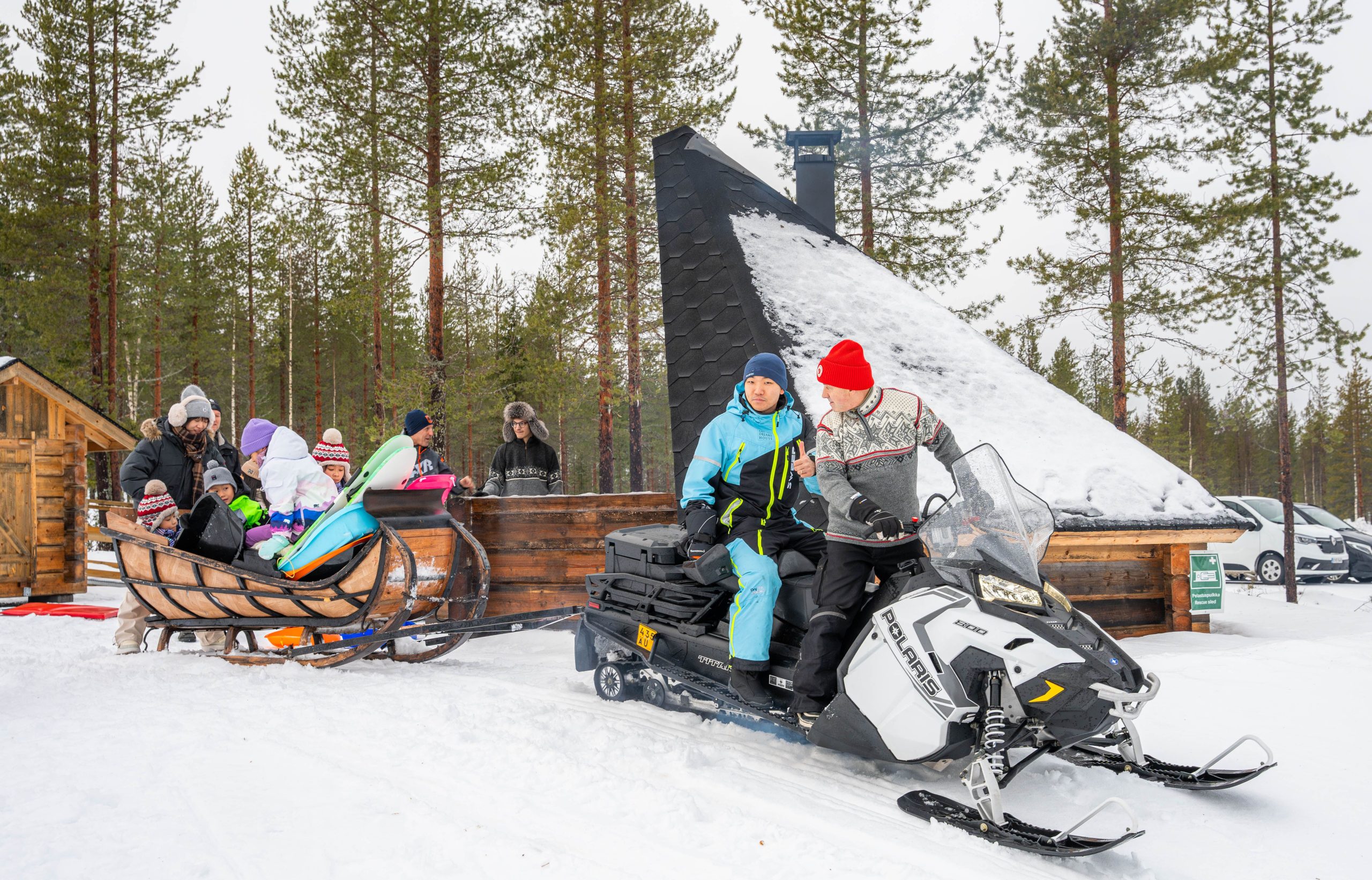
A private chauffeur service transforms the winter arrival experience in Lapland by eliminating every logistical friction point between the airport and the villa door. Guests step off the plane into a pre-warmed, professional vehicle driven by someone who knows local road conditions intimately. There is no car rental queue, no unfamiliar navigation in the dark, and no risk of getting a standard vehicle stuck on an icy rural road.
In extreme winter conditions, local driving knowledge is not a luxury. Roads in the Rovaniemi area and further into the wilderness toward Ranua can shift dramatically between a weather forecast and actual conditions. A professional driver monitors these changes in real time and chooses routes accordingly, something a visitor arriving from abroad has no realistic way to do independently.
The comfort dimension is equally significant. After a long-haul flight, the last thing most guests want is to manage luggage, navigate an unfamiliar rental car in sub-zero darkness, and locate a villa they have never visited. A private chauffeur arrangement converts that stressful sequence into a calm, attended transfer where the guest’s only responsibility is to relax. This is particularly valuable for families traveling with young children or guests arriving very late at night.
What emergency or safety measures do Lapland villas have in winter?
Reputable Lapland private villas maintain a range of emergency and safety measures for winter conditions, including direct host contact availability at all hours, backup heating systems, fire safety equipment, first aid provisions, and clear guest instructions for handling power outages or extreme weather events. These measures are standard at professionally managed properties and are typically communicated to guests at or before check-in.
Power outages, while uncommon, do occur in remote Lapland locations during severe storms. Well-prepared villas have contingency protocols in place, whether that means backup heating sources such as a wood-burning fireplace, emergency lighting, or a direct line to the host who can coordinate rapid assistance. Guests should always confirm they have a working contact number for their host saved on their phone before arrival.
Vehicle safety is another practical consideration. Guests using rental cars should ensure the vehicle is equipped with studded or winter tires, which are legally required in Finland during winter months. Many villa hosts can advise on local emergency contacts, the nearest medical facility, and road condition services as part of their pre-arrival communication. At a genuinely premium Lapland accommodation, this kind of proactive safety briefing is part of the hospitality, not an afterthought.
Arriving at a Lapland private villa in deep winter is an extraordinary experience when every detail has been handled with care. For a fully tailored arctic winter stay where arrival logistics, comfort, and safety are managed from the moment you land, reach out to the Arctic Dreams House team to plan your bespoke Lapland journey.