For Finnish winter weather, you need three layers: a moisture-wicking base layer, an insulating mid layer, and a windproof, waterproof outer shell. In the coldest parts of Lapland, where temperatures regularly drop to -20°C or lower, adding a second mid layer gives you the flexibility to stay comfortable whether you are outdoors exploring or warming up inside. The sections below break down each layer, the materials that work best, and the accessories that complete a proper Arctic kit.
Planning a winter trip to Rovaniemi? The Luxury Downtown Rovaniemi is a premium apartment in the heart of the city, perfectly positioned as a base for your Lapland adventures. And if you would rather not pack your entire wardrobe, Arctic Dreams House offers winter clothing rentals so you can travel light and still stay warm.
What is the three-layer system for cold weather?
The three-layer system is a method of dressing for cold weather that uses three distinct garment types working together: a base layer that manages moisture, a mid layer that traps heat, and an outer layer that blocks wind and precipitation. Each layer has a specific job, and the system works because the layers complement one another rather than duplicating function.
The logic behind the system is straightforward. When you are active outdoors in Arctic conditions, your body produces sweat even in extreme cold. If that moisture stays against your skin, it rapidly draws heat away from your body. The base layer pulls that moisture outward. The mid layer holds warm air close to your body. The outer layer acts as a protective shield against the elements, keeping wind, snow, and rain from stripping that warmth away.
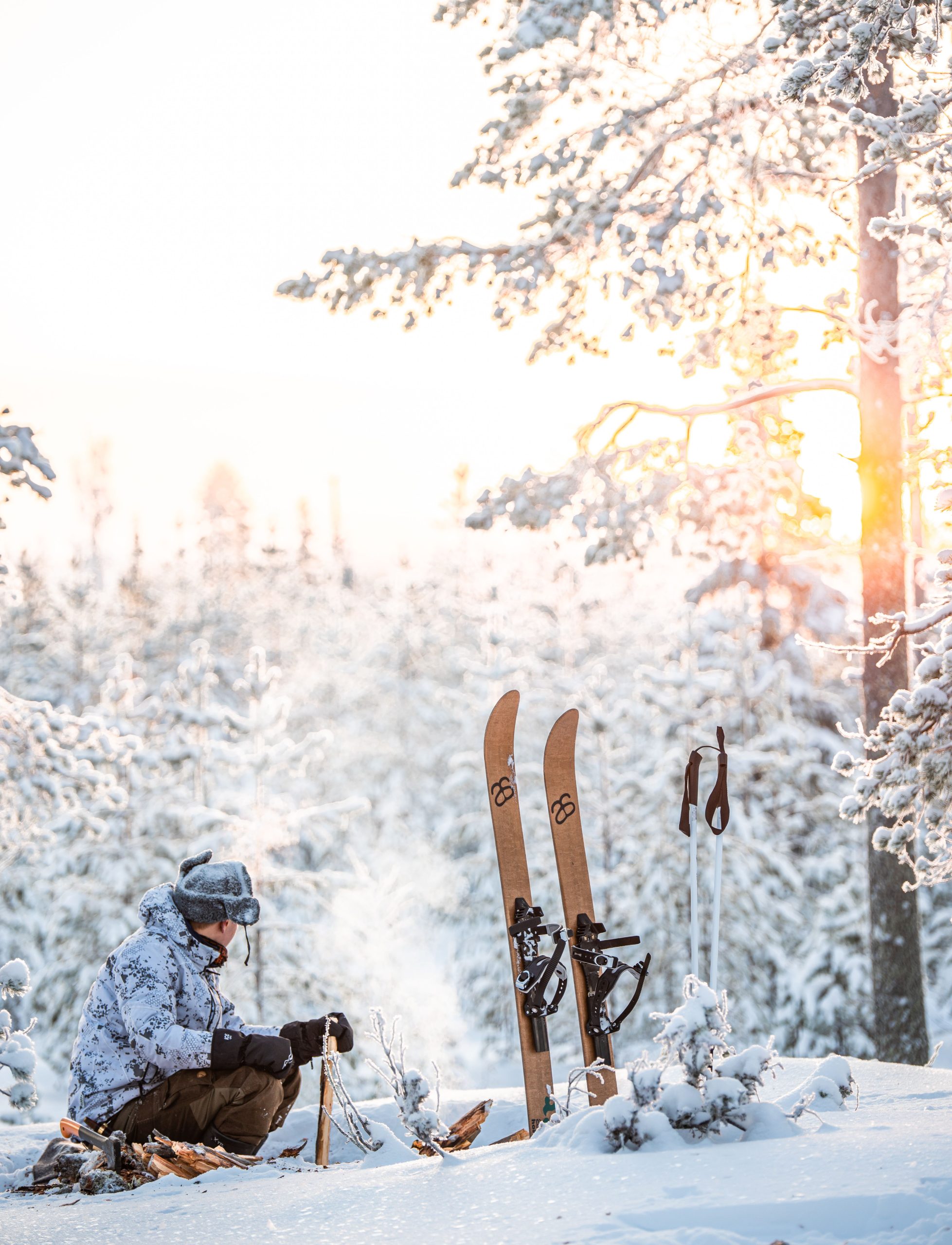
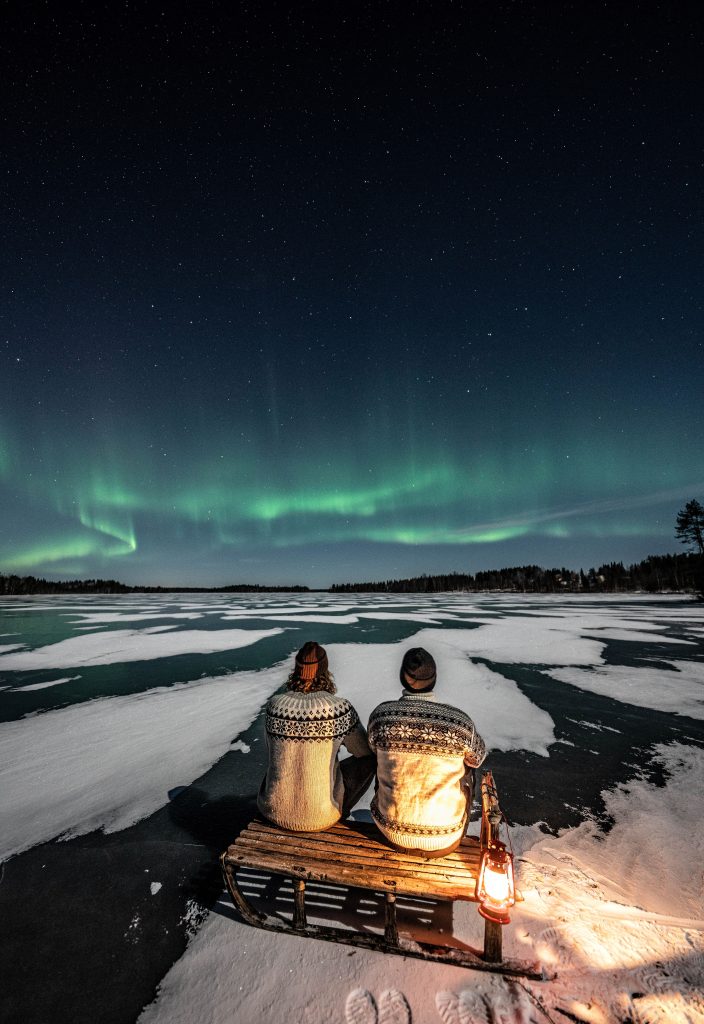
What makes this approach so practical is its adaptability. You can add or remove layers as your activity level changes. Snowshoeing through a forest raises your core temperature considerably, while standing still to watch the Northern Lights in the dark sky above Rovaniemi can make even -10°C feel biting. The three-layer system lets you regulate your warmth without ever being stuck in one fixed level of insulation.
How cold does Finnish winter actually get?
Finnish winters vary significantly by region, but in Lapland, where destinations like Rovaniemi and Ranua are located, temperatures typically range from -10°C to -30°C between December and February. Extreme cold snaps can push temperatures below -35°C, though these are less common. In southern Finland, winters are milder, averaging around -5°C to -10°C.
Rovaniemi, sitting on the Arctic Circle, sees its coldest months in January and February. What makes the cold feel more intense is the combination of low temperatures and wind chill, which can make an already frigid day feel several degrees colder than the thermometer reads. On still, clear nights, the cold is dry and sharp, which is actually the ideal condition for Northern Lights hunting above the frozen landscape.
It is also worth noting that Finnish winter cold is generally a dry cold rather than a damp one. Many visitors find that a properly layered outfit handles -20°C in Lapland more comfortably than a wet -5°C in a coastal city. Understanding the actual temperature range you will face helps you choose the right weight of each layer before you travel.
What should the base layer be made of for Lapland temperatures?
For Lapland temperatures, the best base layer materials are merino wool and high-performance synthetic fabrics such as polyester or polypropylene. Merino wool is particularly well suited to extreme cold because it regulates temperature naturally, wicks moisture efficiently, and resists odor even after extended wear. Synthetic base layers dry faster and are often more affordable, making them a strong alternative.
The one material to avoid entirely is cotton. Cotton absorbs moisture and holds it against your skin, which causes rapid heat loss in cold conditions. This is the origin of the well-known outdoor saying that cotton kills in cold weather, and it applies directly to Lapland winters.
For temperatures below -15°C, choose a heavyweight or thermal base layer rather than a lightweight one. Heavyweight merino base layers provide meaningful insulation on their own while still performing their primary moisture-management role. Fit matters too: the base layer should sit close to your skin without restricting movement, since a loose base layer creates air gaps that reduce its ability to wick moisture effectively.
How many mid layers do you need in Finnish winter?
In Finnish winter conditions, most people need one mid layer for temperatures around -10°C to -15°C, and two mid layers for temperatures below -20°C or during low-activity periods such as evening excursions or wildlife watching. The number depends on the temperature, your activity level, and how your body handles cold.
A fleece jacket or a down-filled vest is the most common first mid layer choice. Fleece is breathable and performs well when you are moving, while down provides a superior warmth-to-weight ratio for stationary activities. When adding a second mid layer, many experienced winter travelers use a down or synthetic-fill jacket worn over the fleece, creating a substantial insulating barrier before the outer shell goes on.
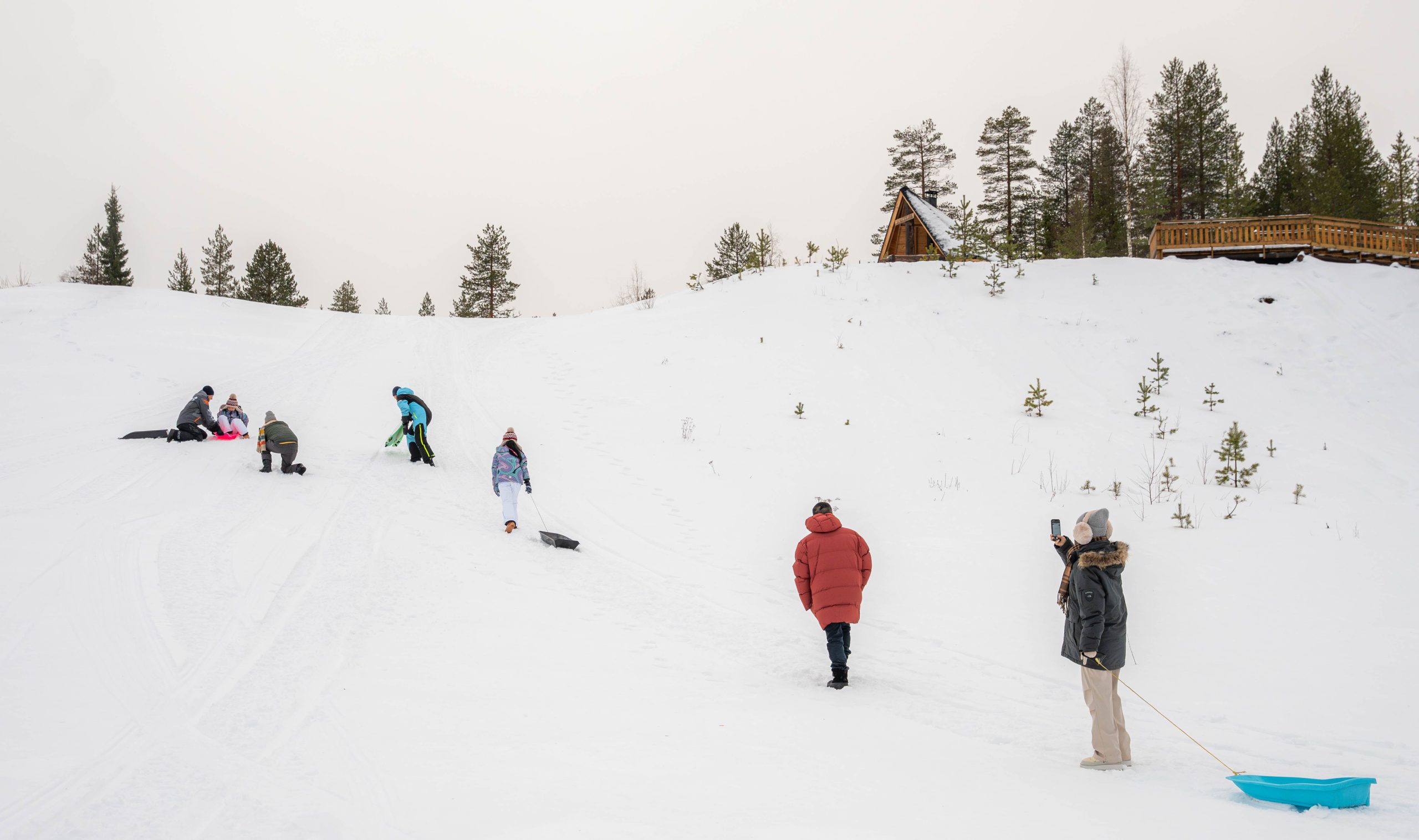
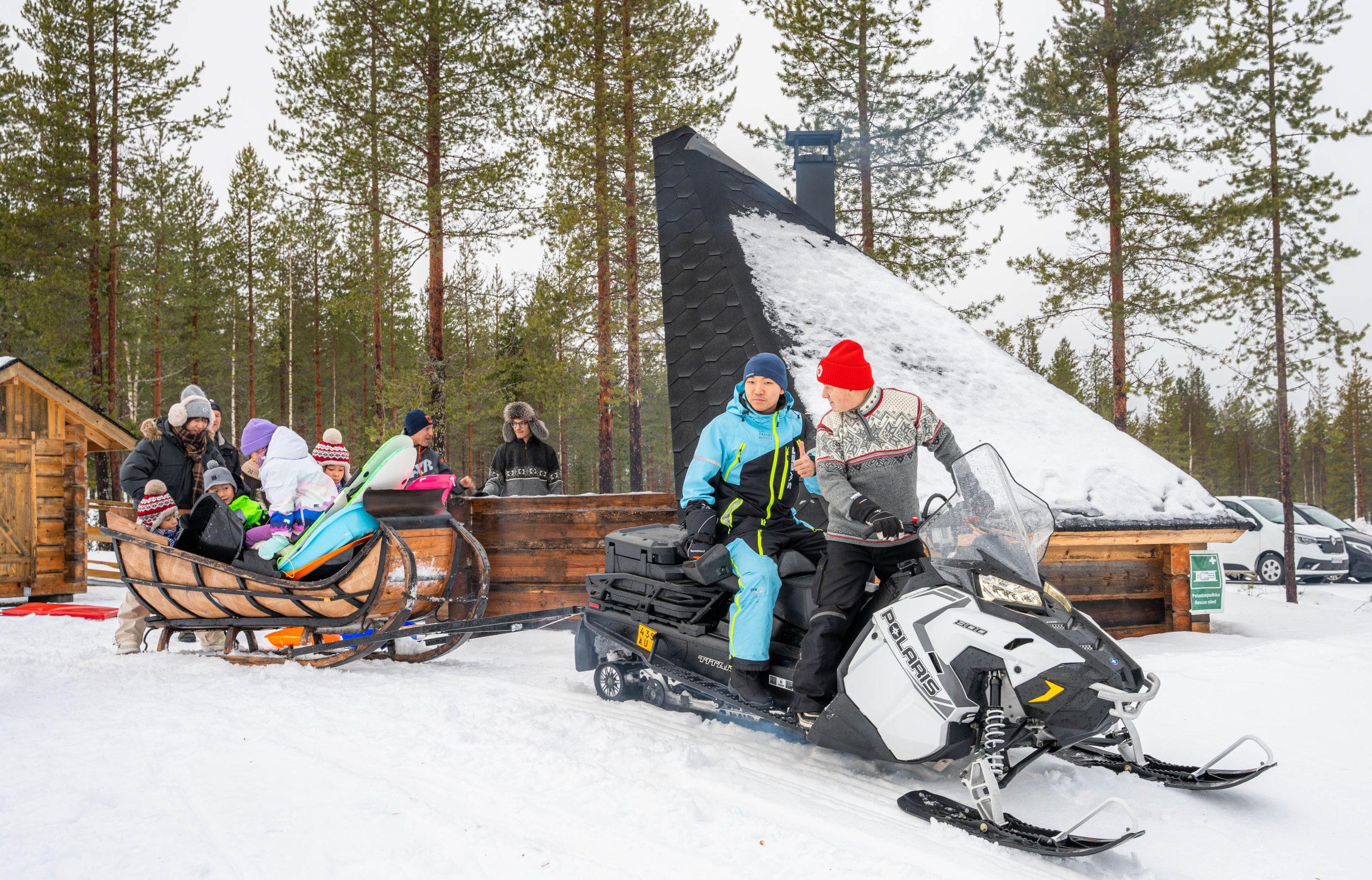
For guided activities in Lapland, such as husky rides, snowmobile safaris, or standing outdoors during a Northern Lights excursion, erring toward two mid layers is the safer choice. You can always unzip or remove a layer if you overheat, but you cannot add warmth you have not packed. Arctic Dreams House rents winter clothing specifically for this reason, ensuring guests are properly equipped regardless of what they brought from home. You can explore the full range of winter activities on offer, from snowshoeing to sauna experiences, and dress accordingly.
What outer layer works best for Arctic winter conditions?
The best outer layer for Arctic winter conditions is a waterproof, windproof shell jacket and matching trousers rated for extreme cold, ideally with sealed seams and a robust insulation rating. In Lapland, where wind chill significantly amplifies the cold, wind resistance is non-negotiable. A shell that is also breathable prevents moisture from building up inside the jacket when you are active.
Look for outer layers with a high waterproof rating, typically expressed in millimeters of hydrostatic head, and a breathability rating measured in grams per square meter per day. For genuine Arctic use, prioritize wind resistance and insulation over lightweight packability, since weight savings matter far less than warmth at -25°C.
Insulated outer shells, which combine wind and waterproof protection with built-in insulation, are a popular choice for travelers who prefer simplicity. They reduce the need for a second mid layer in moderate cold. However, for the full temperature range of a Finnish winter, a non-insulated shell worn over two mid layers gives you more flexibility to adapt as conditions change throughout the day.
What accessories are essential beyond the three layers?
Beyond the three core layers, the accessories that are essential for Finnish winter are a warm hat covering the ears, a neck gaiter or balaclava, insulated waterproof gloves or mittens, thermal socks, and winter boots rated to at least -30°C. Extremities lose heat faster than the core, and inadequate hand, foot, or head protection is the most common cause of discomfort in Lapland winters.
- Hat: A fleece or wool hat that covers the ears is the minimum. In severe cold, a balaclava that covers the face and neck provides significantly better protection.
- Neck gaiter: Covers the gap between your jacket collar and hat, which is a major source of heat loss in wind.
- Gloves or mittens: Mittens are warmer than gloves because fingers share heat. Many experienced cold-weather travelers wear thin liner gloves inside mittens for dexterity when needed.
- Thermal socks: Merino wool socks are the gold standard. Avoid cotton socks for the same reason you avoid cotton base layers.
- Winter boots: Choose boots with a temperature rating well below the forecast temperature, as ratings are tested under static conditions and active use is warmer.
- Sunglasses or goggles: Snow reflects UV radiation intensely, and eye protection is important even on overcast days.
If you are staying at The Luxury Downtown Rovaniemi, the premium apartment in the city center puts you within easy reach of everything you need, from equipment rental to guided departures. For an unforgettable evening properly dressed and ready for the cold, the Northern Lights hunting experience offered by Arctic Dreams House takes you out into the pristine Arctic darkness in expert hands. And if you are traveling with family, a private meeting with Santa through Private Santa in Ranua is an experience that no amount of layering can fully prepare you for, in the best possible way. Browse all available Arctic activities to plan your complete Lapland itinerary.