Lapland winter temperatures typically range from around -10°C to -20°C (14°F to -4°F), with colder snaps pushing well below -25°C (-13°F) in the deepest months of winter. Rovaniemi and the wider Lapland region sit well above the Arctic Circle, which means winter here is genuinely, beautifully cold. The sections below answer the most common questions about Lapland cold weather in detail.
What are the average temperatures in Lapland during winter?
Average Lapland winter temperatures fall between -10°C and -20°C (14°F to -4°F) from December through February, with January typically being the coldest month. In Rovaniemi, the regional capital, daytime highs in midwinter often hover around -10°C to -15°C, while nights regularly drop several degrees lower. The further north you travel within Lapland, the lower those averages tend to go.
It is worth noting that Finnish Lapland winter weather is rarely static. A mild spell can bring temperatures close to 0°C, while a cold front can push them past -25°C within the same week. Visitors planning a trip should treat these averages as a reliable baseline rather than a guaranteed daily forecast. The key takeaway is that Lapland weather in winter is cold by any standard, but it is also stable, dry, and often brilliantly clear, which makes it remarkably manageable with the right preparation.
What is the coldest it has ever been in Lapland?
The coldest recorded temperature in Finnish Lapland reached approximately -51.5°C (-60.7°F), recorded in Pokka in Kittilä municipality in January 1999. This stands as the all-time low for Finland and reflects just how extreme arctic cold in Lapland can become under the right atmospheric conditions. Such temperatures are exceptional rather than typical, but they illustrate the genuine range of the climate.
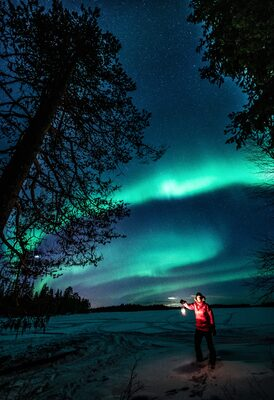
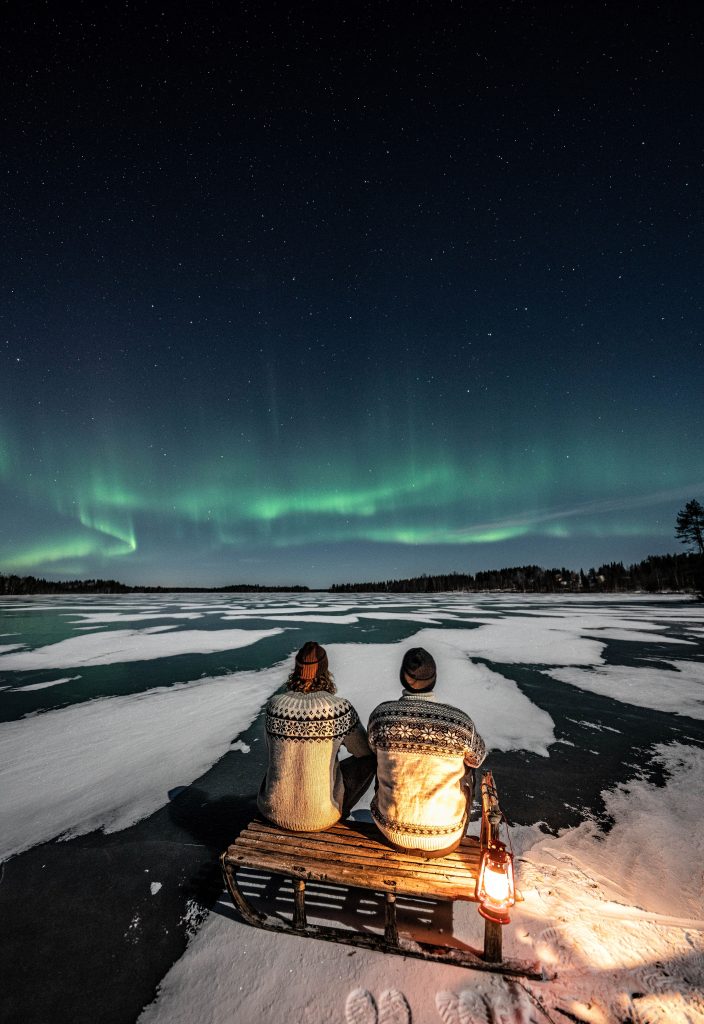
For most visitors, temperatures below -30°C are relatively rare during a standard winter stay, but they are not unheard of. Cold records tend to occur during clear, still nights when there is no cloud cover to retain ground heat. These are also, incidentally, the same conditions that produce the most spectacular Northern Lights displays, which gives extreme cold nights a certain magic of their own.
How does wind chill affect the perceived temperature in Lapland?
Wind chill in Lapland can make an already cold day feel significantly more severe. At -15°C with a moderate wind of 20 km/h, the perceived temperature on exposed skin can drop to the equivalent of -25°C or lower. This is the key reason why Lapland cold weather demands layered, wind-resistant clothing rather than simply a thick coat alone.
The good news is that Lapland winters are often characterized by calm, still air, particularly in forested areas and wilderness settings away from open lakes and fells. In sheltered woodland environments, the wind chill effect is considerably reduced. When wind does pick up, it is most noticeable on open snowfields, frozen lake surfaces, and exposed hilltops. Being aware of the forecast wind speed is just as important as knowing the air temperature when planning outdoor time.
What months are the coldest in Lapland?
January is consistently the coldest month in Lapland, followed closely by February. December marks the beginning of the deep freeze, with temperatures already well below zero, while March begins to warm slightly, though it remains genuinely cold and still offers excellent snow conditions. The core arctic cold window in Lapland runs from late December through to mid-February.
November can bring early cold snaps and the first reliable snowfall, while April sees a gradual transition toward spring thaw, though snow often lingers well into that month in northern Lapland. For travelers seeking the most intense Finland winter temperatures and the best snow conditions, January and February deliver the most reliably cold and white experience. For those who prefer slightly milder cold with longer daylight hours, early March is an excellent compromise.
How should you dress for Lapland’s winter temperatures?
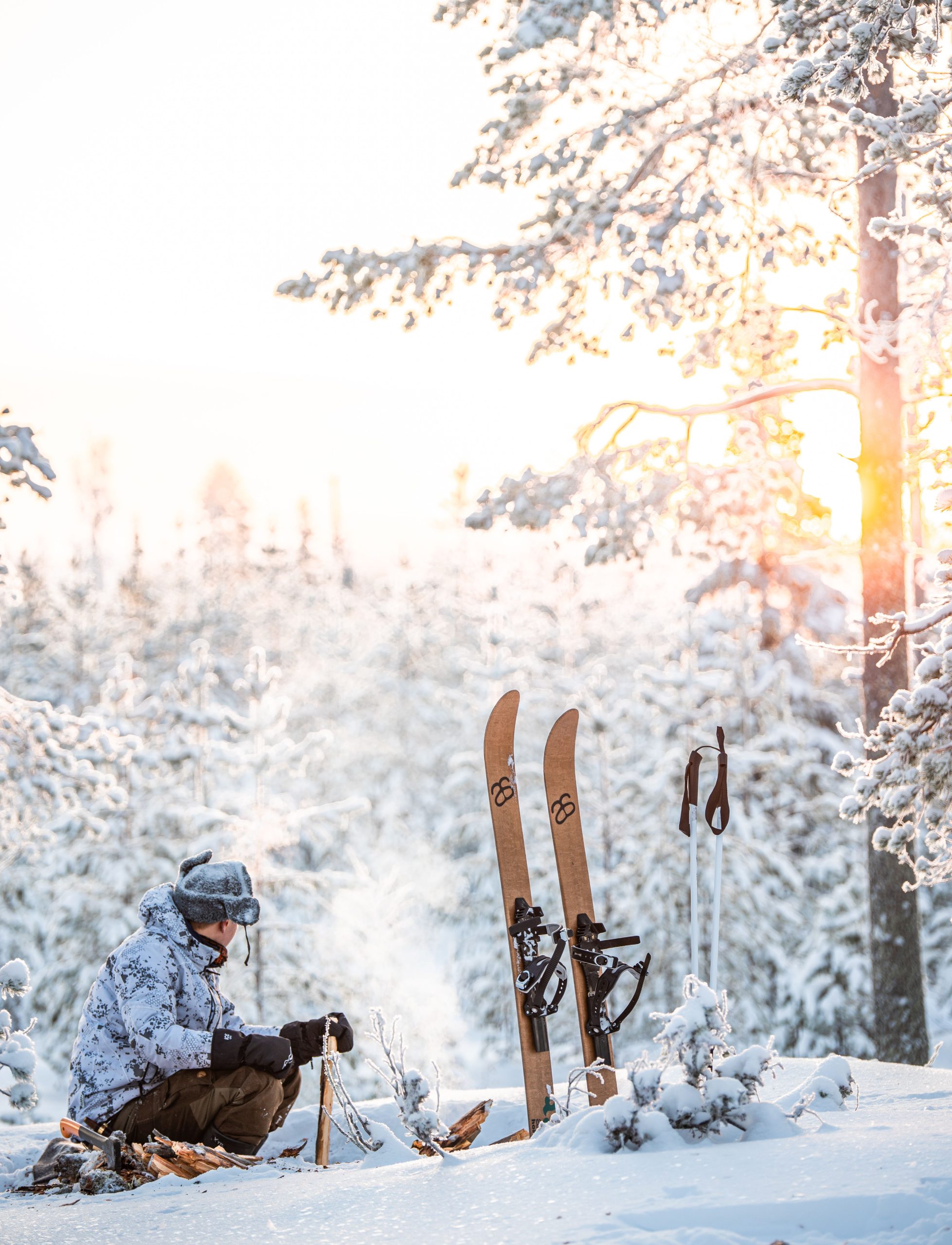
Dressing for Lapland winter temperatures requires a proper three-layer system: a moisture-wicking base layer, an insulating mid-layer such as a fleece or down jacket, and a windproof, waterproof outer shell. Extremities deserve particular attention, as fingers, toes, and ears are most vulnerable to the arctic cold. Thermal socks, insulated waterproof boots rated to at least -30°C, warm gloves or mittens, and a hat that covers the ears are all essential.
Many visitors underestimate how much their activity level affects warmth. Standing still at -15°C feels dramatically colder than moving at the same temperature. For active pursuits like snowmobile safaris or husky rides, wearing slightly fewer layers is often more comfortable, as these activities generate body heat quickly. For static activities such as watching the Northern Lights or ice fishing, maximum insulation is the priority. Merino wool performs exceptionally well as a base layer because it retains warmth even when damp and does not trap odor over multiple days of wear.
Does the cold in Lapland affect outdoor activities?
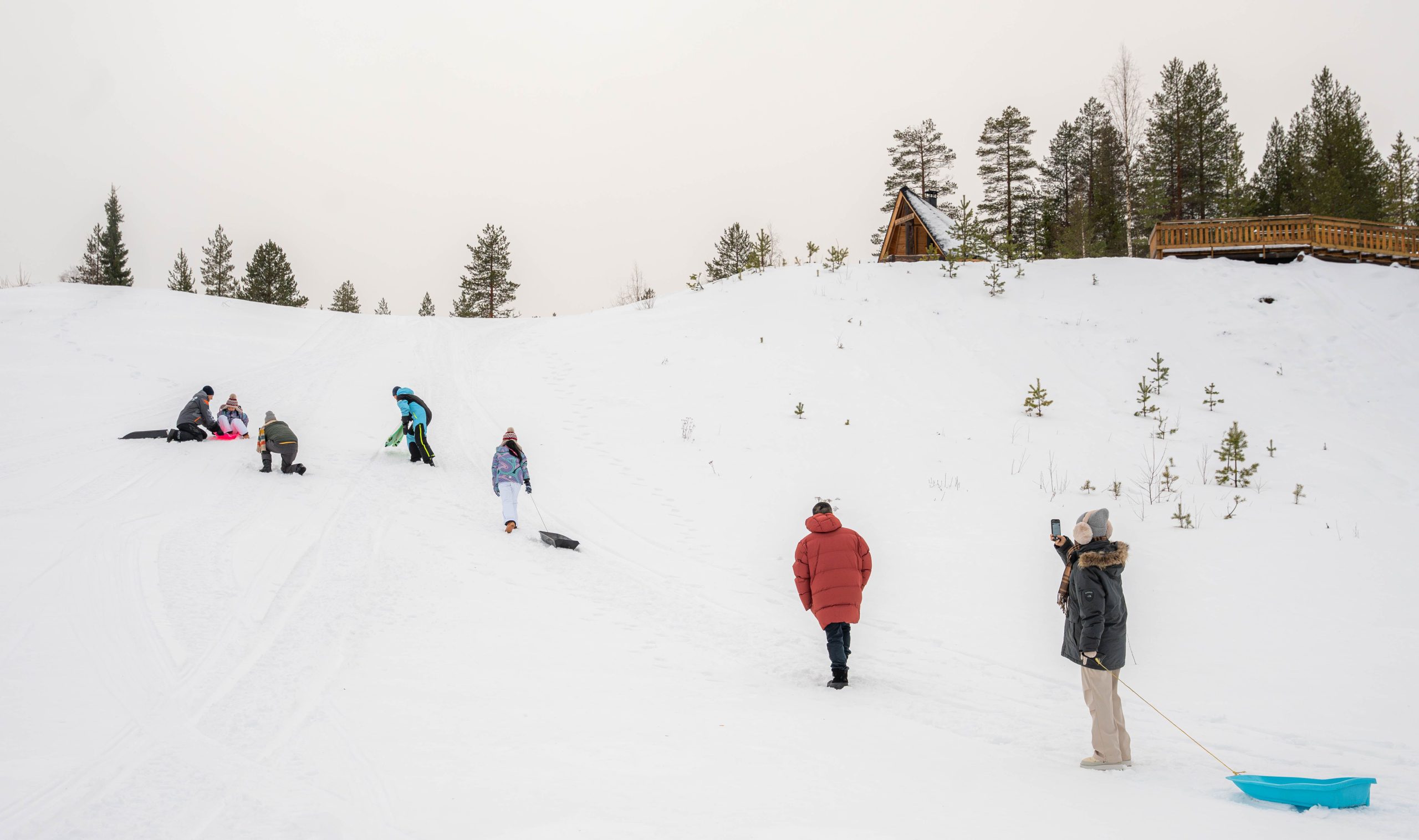
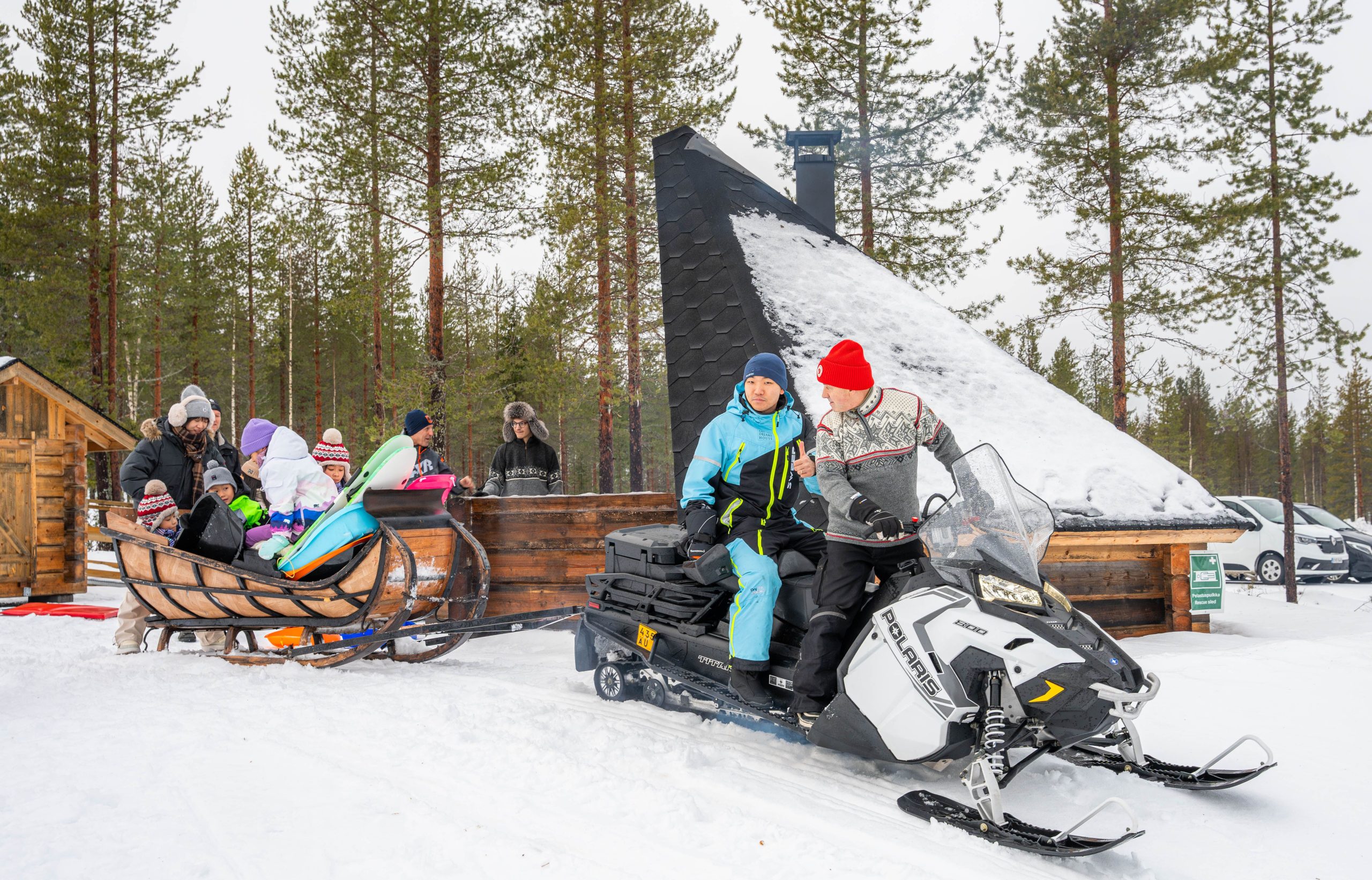
Lapland’s cold weather does not prevent outdoor activities, and in many ways it is what makes them possible. Snowmobile safaris, reindeer sleigh rides, husky experiences, ice fishing, and Northern Lights hunts all depend on frozen ground, reliable snowpack, and clear arctic skies, which the cold delivers. Most outdoor activities in Lapland operate comfortably down to -25°C, with professional guides adjusting plans if conditions become unsafe beyond that point.
The cold is also part of what makes the experience genuinely memorable. There is a profound stillness to a Lapland forest at -20°C, a quality of silence and pristine beauty that simply does not exist in milder climates. Reputable providers equip guests with appropriate thermal suits and gear before heading out, so even visitors with no prior experience of arctic conditions can participate safely and comfortably.
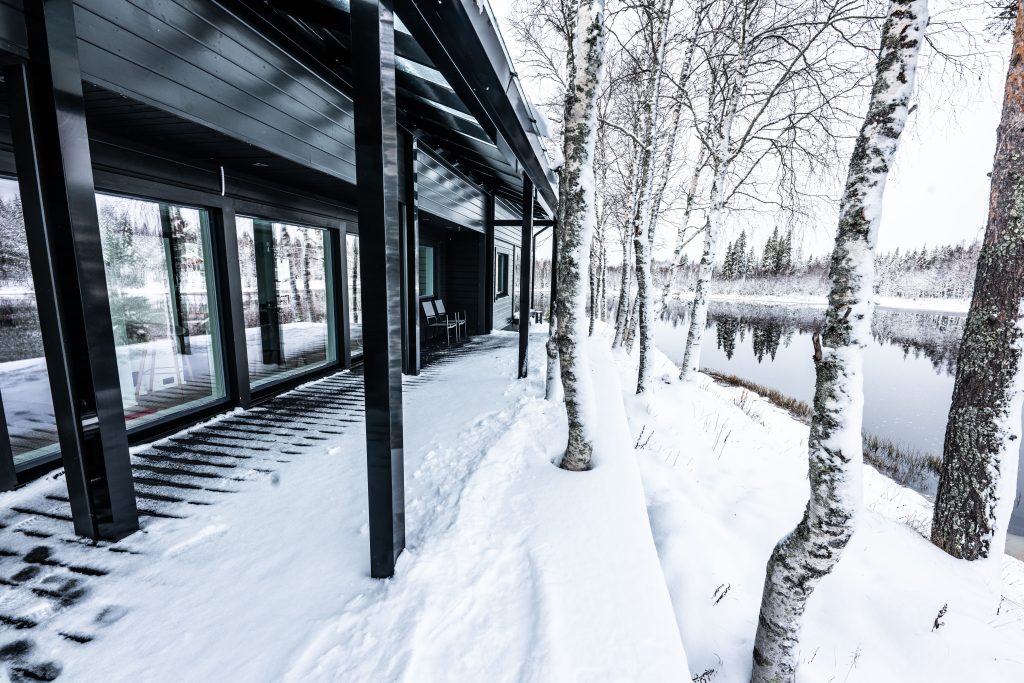
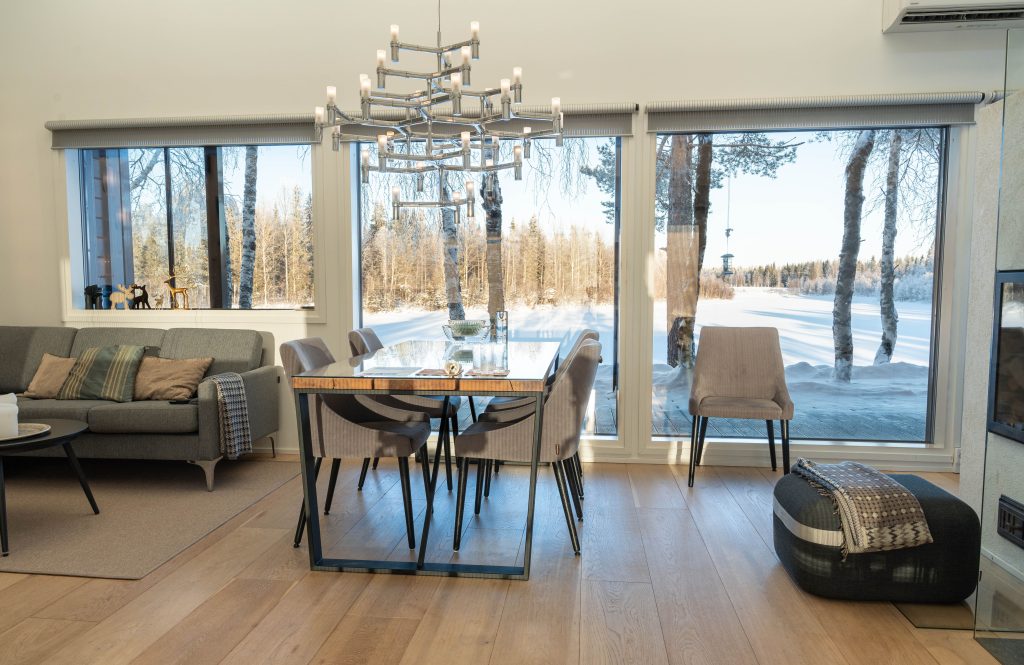
For those who prefer to balance outdoor adventure with warm recovery time, having a well-appointed base matters enormously. Private arctic activities paired with accommodation that includes a wood-burning sauna and fireplace allow guests to warm through completely between excursions, making the cold feel like a feature of the experience rather than an obstacle to it. If you would like to plan a fully tailored winter itinerary around Lapland’s arctic conditions, get in touch to discuss a bespoke stay built around your travel dates and preferences.