Families with young children should look for a Lapland villa that combines genuine child safety features, generous indoor space, reliable warmth, a fully equipped kitchen, and easy access to age-appropriate arctic activities. The right property removes logistical stress so parents can focus entirely on the experience. The questions below cover every practical consideration worth checking before you book.
What safety features should a Lapland villa have for young children?
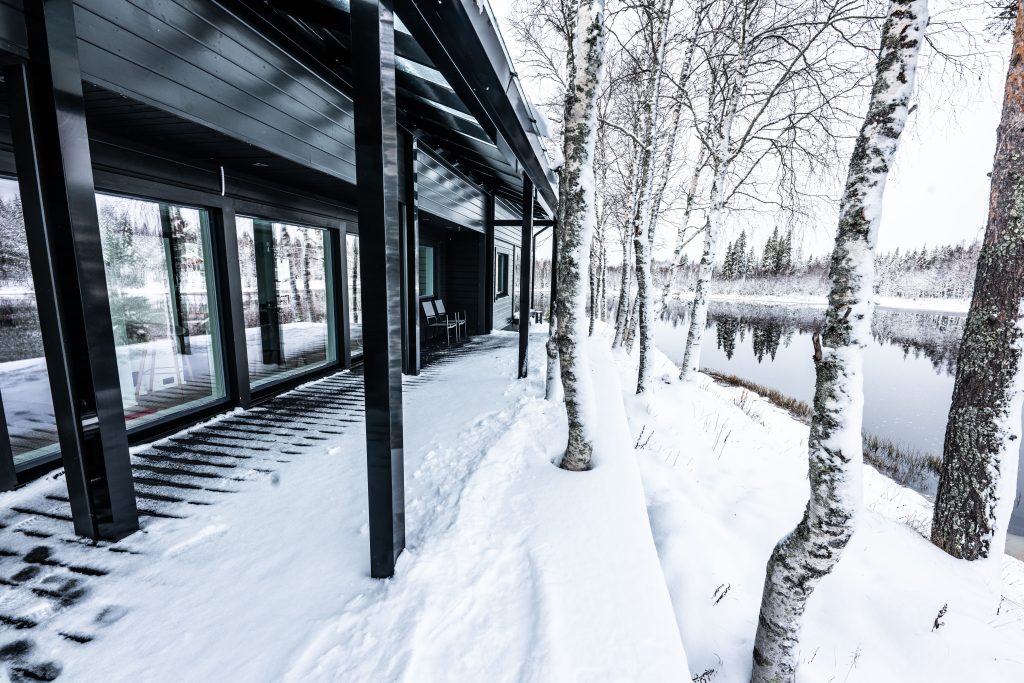
A family villa in Lapland should have secure, fenced outdoor areas or clearly defined boundaries, non-slip flooring in bathrooms and sauna spaces, covered or gated stairways, and child-safe fireplace guards. In winter conditions, the outdoor approach to the villa matters just as much as the interior – look for cleared, well-lit pathways and steps with grip surfaces to prevent falls on ice.
Sauna safety deserves particular attention because private saunas are a standard feature in Finnish villas. Check that the sauna has a low bench option suitable for small children, a thermometer, and a latch that adults can secure from outside. Hot water taps in bathrooms should ideally be clearly labelled, and any open water features such as lakeside access should have a barrier or require adult supervision to access.
Indoors, look for covered electrical sockets, furniture with rounded edges, and window locks on upper floors. A villa that has hosted families before will often already have these measures in place – it is worth asking the host directly what child-proofing is available before arrival.
How much space do families with young children actually need in a villa?
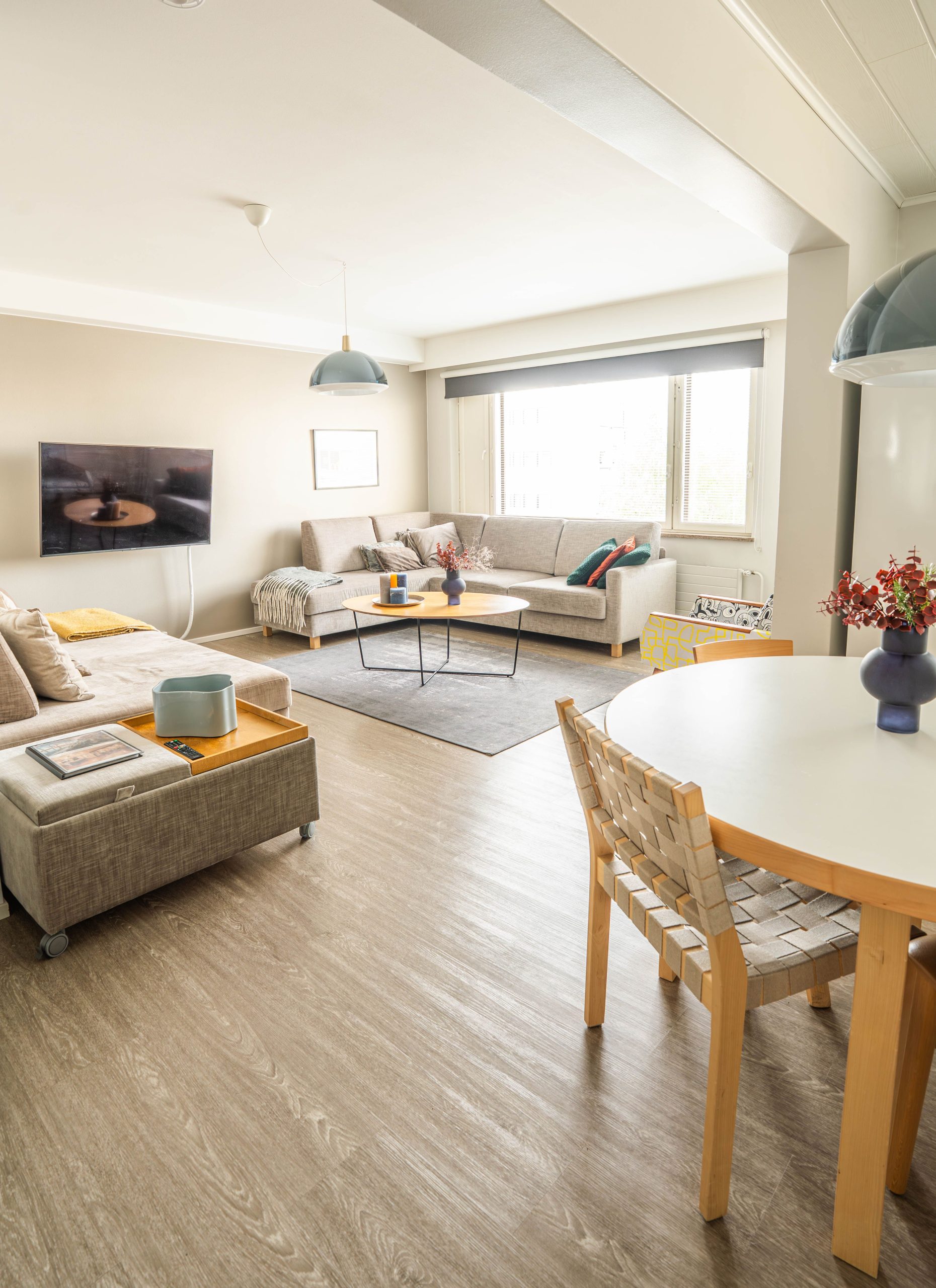
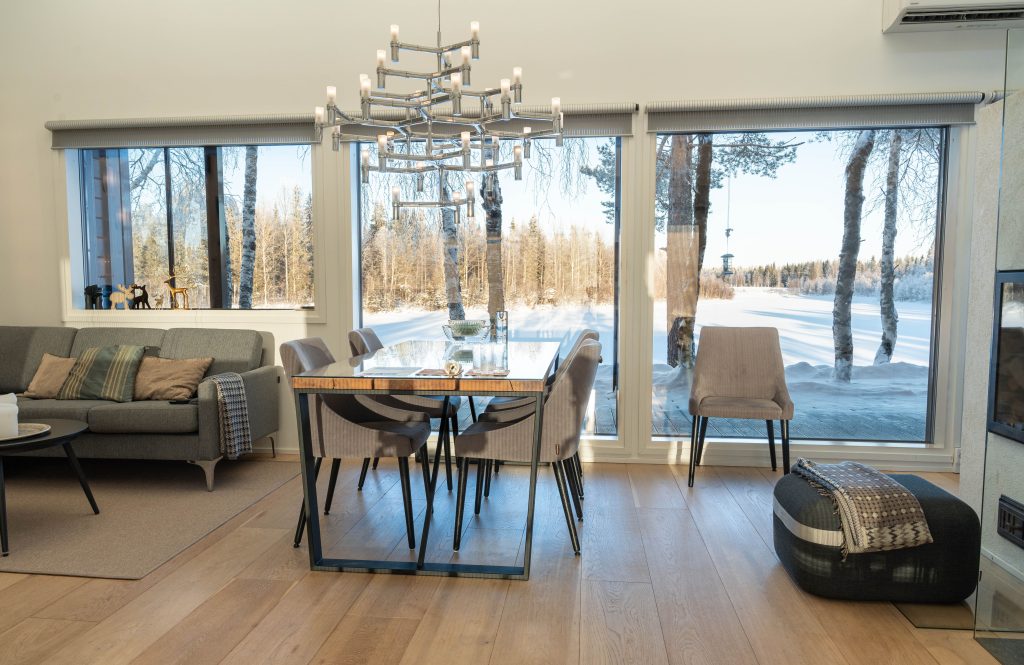
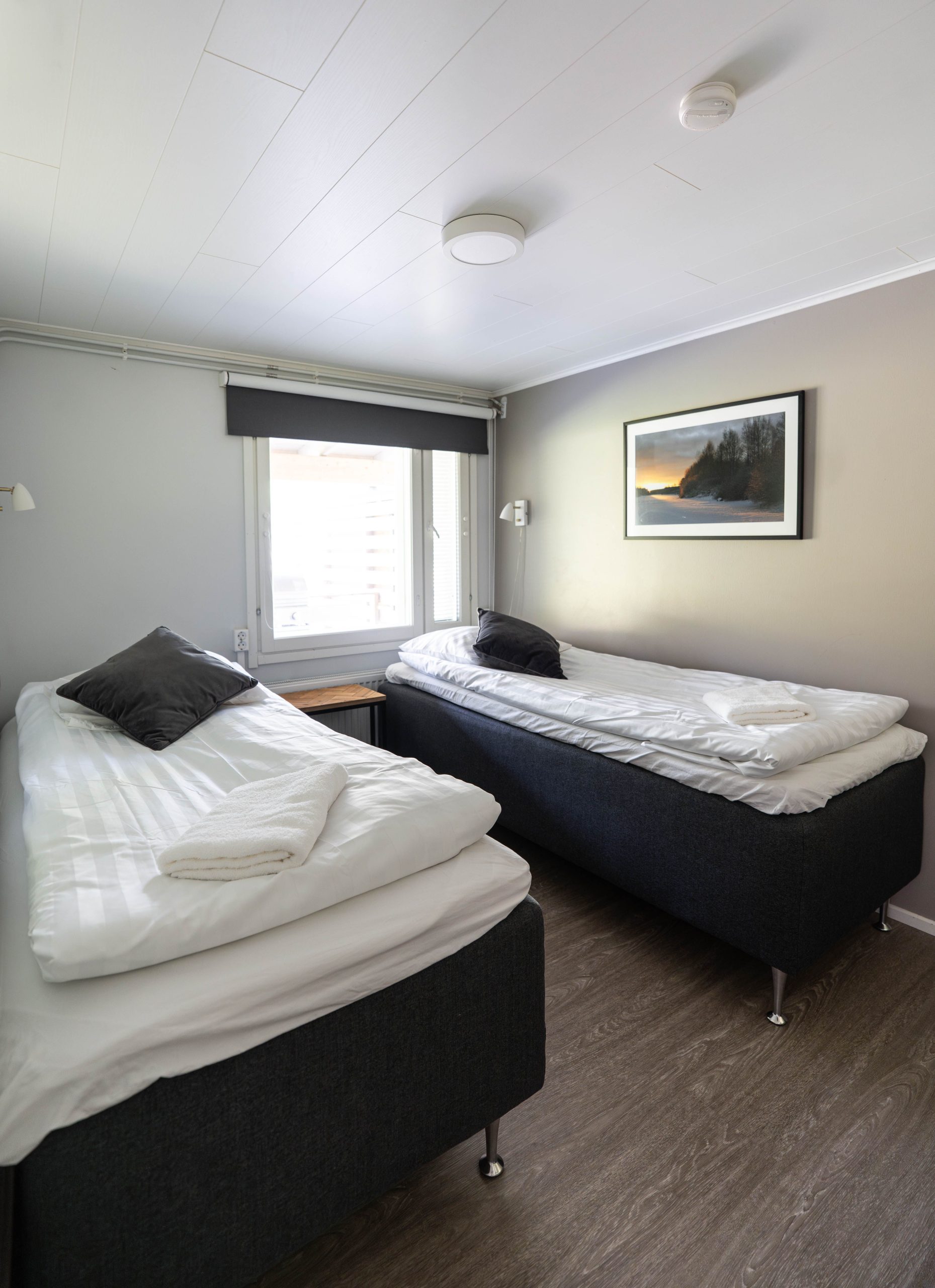
For a family with young children, a Lapland villa should offer at minimum one private bedroom per adult couple plus a separate sleeping area for children, along with a generous shared living space where the family can spend time together indoors. In Lapland winters, when temperatures regularly fall below minus twenty degrees Celsius, families spend long stretches inside, so interior space is not a luxury – it is a practical necessity.
A dedicated play area or an open living room with room to spread out makes a significant difference when travelling with toddlers or young children who need floor space. A separate toilet from the main bathroom is also genuinely useful when multiple family members need facilities simultaneously after outdoor activities.
Families travelling with grandparents or extended family benefit from villas that sleep larger groups without compromising privacy between generations. Properties accommodating up to thirteen guests exist in the Rovaniemi area, giving larger family groups the freedom to stay together under one roof rather than splitting across multiple accommodations.
What heating and insulation standards matter most in a Lapland winter villa?
In a Lapland winter villa, underfloor heating, triple-glazed windows, and a primary heating system that maintains a stable indoor temperature of at least twenty-one degrees Celsius are the non-negotiable standards for families with young children. Draughts at floor level are particularly problematic for crawling infants and toddlers, so insulation quality at skirting board level and door seals matter more than many families anticipate.
Geothermal heating systems, where available, offer highly consistent warmth without the temperature fluctuations that can come from wood-burning as a sole heat source. A fireplace or wood stove adds atmosphere and supplementary warmth but should not be the primary heating method in a family villa with young children. Check whether the villa has a backup heating system in case of a power outage, which can occur during heavy snowfall.
Heated entrance hallways and drying rooms are practical features worth prioritising. After a day of snowshoeing or playing outdoors, wet snowsuits, boots, and mittens need somewhere warm to dry overnight. Without a dedicated drying space, wet gear left near radiators creates clutter and a safety hazard.
Which family-friendly activities should be accessible from the villa?
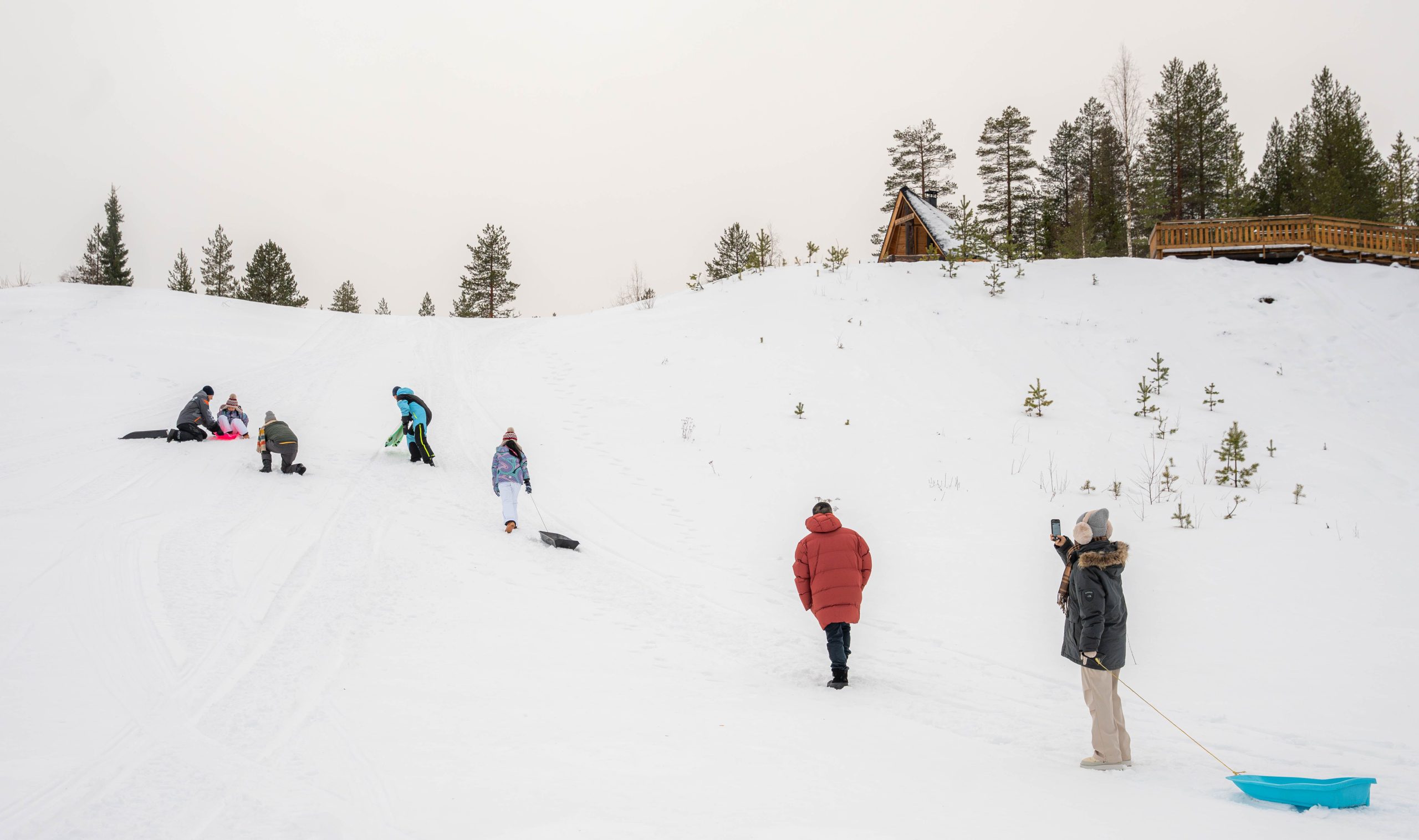
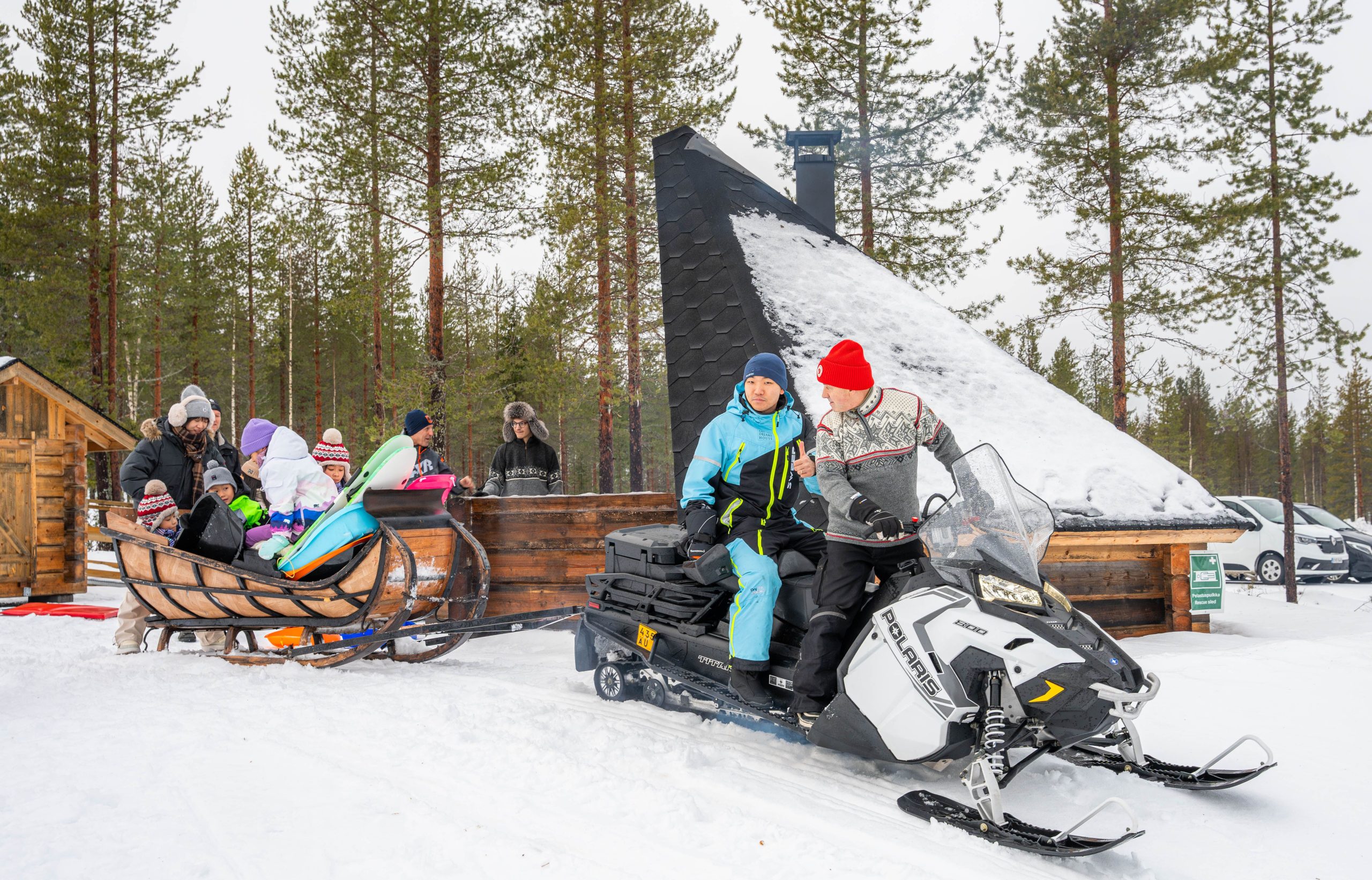
The most valuable family-friendly activities accessible from a Lapland villa include reindeer sleigh rides, husky safaris, snowmobile experiences designed for families, and guided visits to see arctic wildlife. For families travelling with young children, private arrangements for these activities are far preferable to group tours, as they allow flexible timing around nap schedules and remove the stress of waiting in queues in cold weather.
A meeting with Santa Claus is among the most meaningful experiences for young children visiting Lapland, and a fully private, unhurried encounter creates a memory that a crowded commercial grotto simply cannot replicate. When the experience is arranged exclusively for your family, children have time to speak, ask questions, and absorb the moment without the pressure of a queue behind them.
Proximity to a wildlife park such as Ranua Zoo, where children can see polar bears, arctic foxes, wolverines, and other native arctic animals in a natural forest setting, adds significant value for families. A range of private arctic activities can be arranged around your family’s schedule, ensuring that every outing works on your children’s terms rather than a fixed group timetable.
What should families check about a villa’s kitchen and meal facilities?
Families with young children should confirm that the villa kitchen includes a full-size oven and hob, a refrigerator with sufficient capacity for family groceries, a microwave for reheating children’s meals quickly, and a high chair or booster seat. A dishwasher is a practical addition that reduces the burden of daily cleaning when managing young children in an unfamiliar environment.
Check whether the villa is stocked with basic cooking essentials on arrival – cooking oil, salt, and condiments are small details that matter when the nearest supermarket is a significant drive away. Families staying in more remote wilderness locations should also confirm whether grocery delivery or pre-arrival stocking services are available through the host.
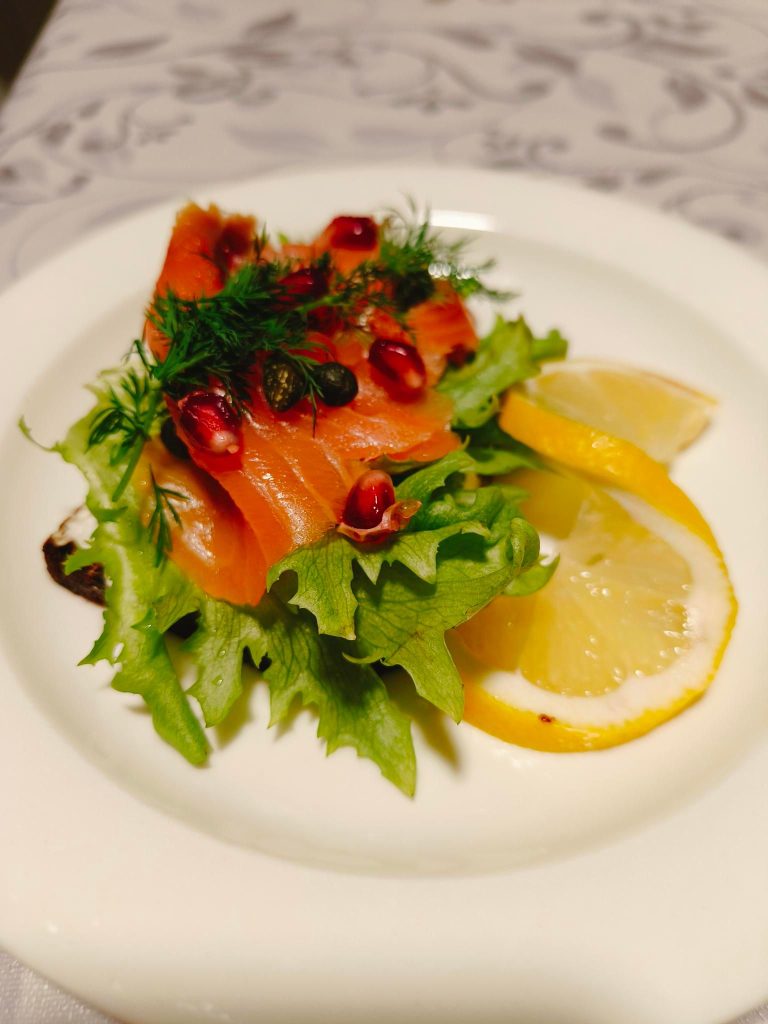
For families who prefer not to cook every evening after a full day outdoors, the option to arrange a private chef transforms the experience entirely. Having a professional prepare meals in the villa’s own kitchen means children eat familiar, freshly prepared food in a relaxed environment, without the logistical challenge of restaurant bookings with tired toddlers.
Does villa location in Lapland matter when travelling with young children?
Yes, villa location in Lapland matters significantly when travelling with young children, and the right choice depends on what the family prioritises. A villa in or near Rovaniemi city centre offers convenience – shops, medical facilities, and restaurants are close by, which reduces stress when travelling with infants or children who may need supplies or attention at short notice. A wilderness villa in an area such as Ranua offers complete seclusion, pristine arctic forest, and true silence, but requires more advance planning for provisions and activities.
Distance from the airport is a practical consideration that families often underestimate. Rovaniemi Airport connects directly to many European cities during the winter season, and a shorter transfer time matters when travelling with young children who are tired after a long flight. Confirm the driving time from the airport to the villa before booking, and check whether the host can arrange a private transfer so the family arrives warm and without the coordination stress of public transport.
Families seeking the best of both worlds – wilderness tranquillity with reasonable access to services – benefit from villas positioned within thirty to sixty minutes of Rovaniemi. This range places dramatic arctic nature within reach while keeping the city’s amenities accessible when needed. To discuss which location suits your family’s specific needs, reach out for a tailored recommendation before committing to a booking.