For winter in Lapland, you need insulated, waterproof boots rated to at least -30°C (-22°F), with a thick rubber sole and strong grip for icy terrain. Standard fashion boots, leather shoes, or lightweight trainers are completely unsuitable. The right footwear is one of the most important decisions you will make before your trip, and the sections below answer every practical question you need to get it right.
How cold does it get in Lapland, and what does that mean for footwear?
Winter temperatures in Lapland typically range from -10°C to -30°C (14°F to -22°F), with occasional dips even lower in January and February. At these temperatures, feet lose heat rapidly through contact with frozen ground and snow, making thermal insulation and moisture resistance the two non-negotiable qualities in any winter boot.
The cold also means that snow is often dry and powdery rather than wet and slushy, so boots need to be tall enough to prevent snow from entering over the top. A shaft height of at least 20 to 25 centimetres is recommended. Equally important is the outsole: icy paths and compacted snow demand a deep-lugged rubber sole, ideally one designed specifically for Arctic or sub-zero conditions, to prevent dangerous slipping.
Wind chill makes perceived temperatures significantly colder than the air temperature reading, particularly during outdoor activities. A boot that feels adequate at -10°C can become dangerously inadequate when you factor in a brisk Arctic breeze. Always choose footwear rated well below the coldest temperature you expect to encounter, not just for it.
What are the best boots for walking in Lapland in winter?
The best boots for walking in Lapland in winter are pac boots or felt-lined Arctic boots with a waterproof outer shell, thermal insulation rated to at least -30°C, and a non-slip rubber outsole. Brands with dedicated cold-weather lines built for Scandinavian and sub-zero conditions consistently perform well in Lapland’s terrain.
Look for these key features when selecting winter boots for Lapland:
- Temperature rating: Minimum -30°C, ideally -40°C for longer outdoor excursions
- Waterproof membrane: Keeps moisture out during snowfall and when walking through soft snow
- Removable inner boot or felt liner: Allows drying overnight, which is essential for multi-day stays
- Deep rubber outsole with Arctic grip: Specifically designed for ice and packed snow
- Shaft height: At least 20 cm to keep snow out
- Lightweight construction: Heavy boots cause fatigue quickly on longer walks
Finnish and Scandinavian outdoor brands produce boots purpose-built for these conditions and are widely available in Rovaniemi’s city centre shops. If you are staying at The Luxury Downtown Rovaniemi apartment, you are within easy walking distance of local outfitters where you can purchase or rent appropriate footwear before your first full day out.
Are there different shoes needed for different Lapland activities?
Yes, different Lapland winter activities place different demands on footwear. While a high-quality insulated boot handles most situations, some activities benefit from specialist footwear or add-ons. Understanding these distinctions helps you pack efficiently and stay comfortable throughout your stay.
Snowmobile safaris and husky rides
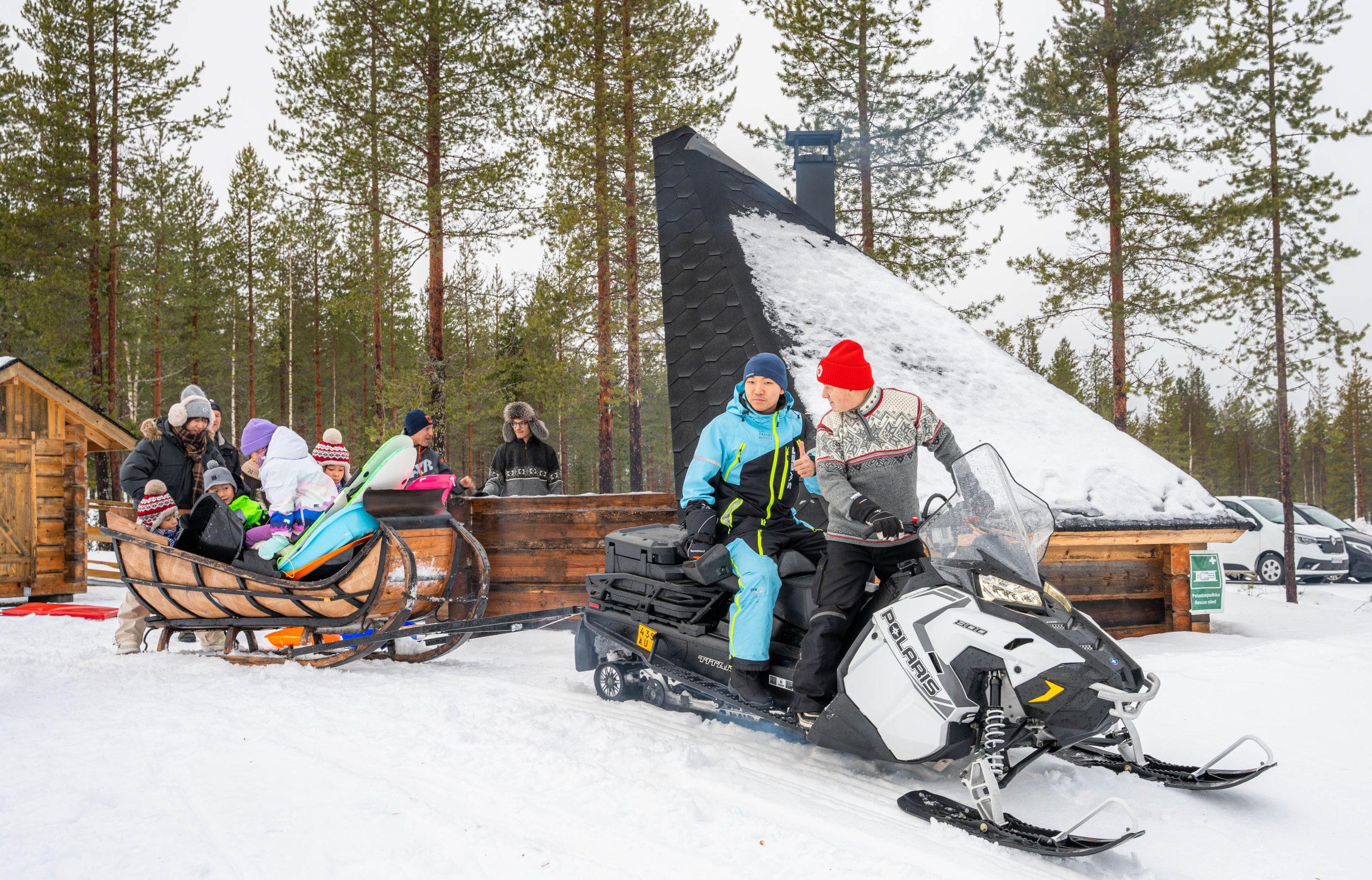
For motorised or animal-drawn excursions such as snowmobile safaris or husky rides, you are largely stationary and exposed to wind, which makes cold penetration faster. Overboots or expedition-grade boots with very high insulation ratings are ideal. Many operators provide thermal overboots as part of the activity kit, so confirm this when booking.
Snowshoeing and active outdoor pursuits
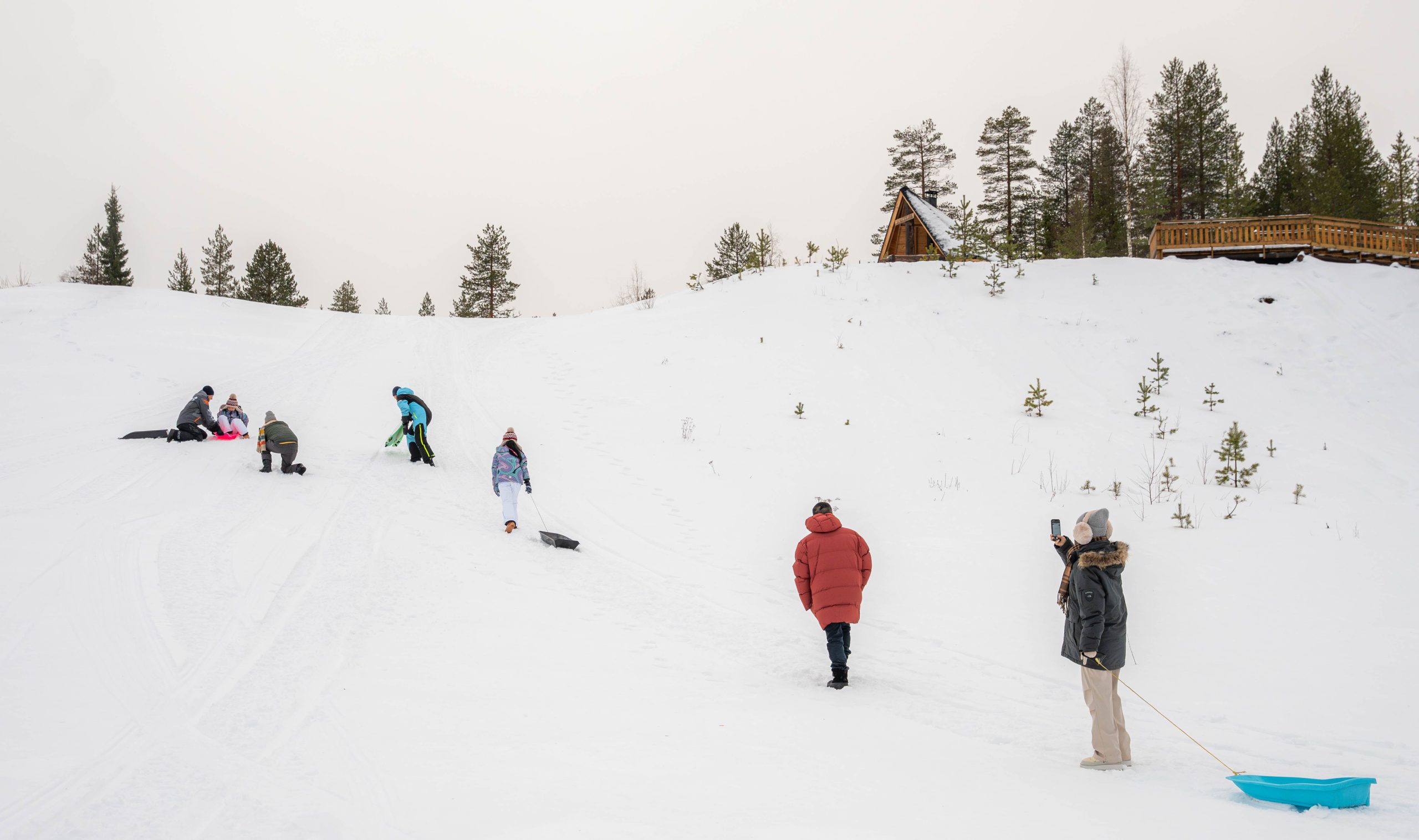
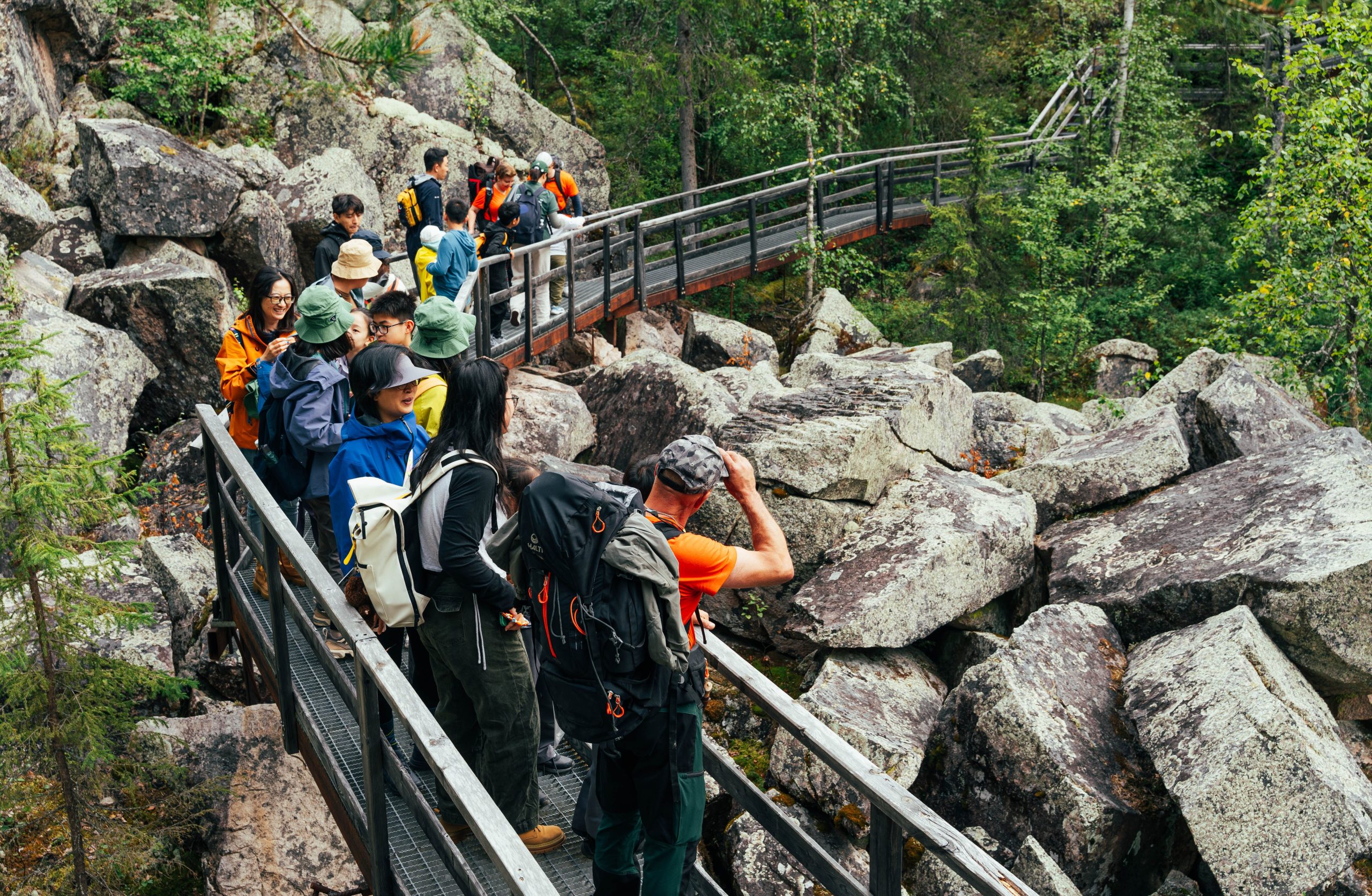
For more physically active pursuits like snowshoeing, a boot with a stiffer sole that attaches securely to snowshoe bindings is preferable. Pac boots with lace-up closures work well here. Because you generate body heat during exertion, slightly less insulation than you would need for a static activity is acceptable, but waterproofing remains essential.
Northern Lights hunting
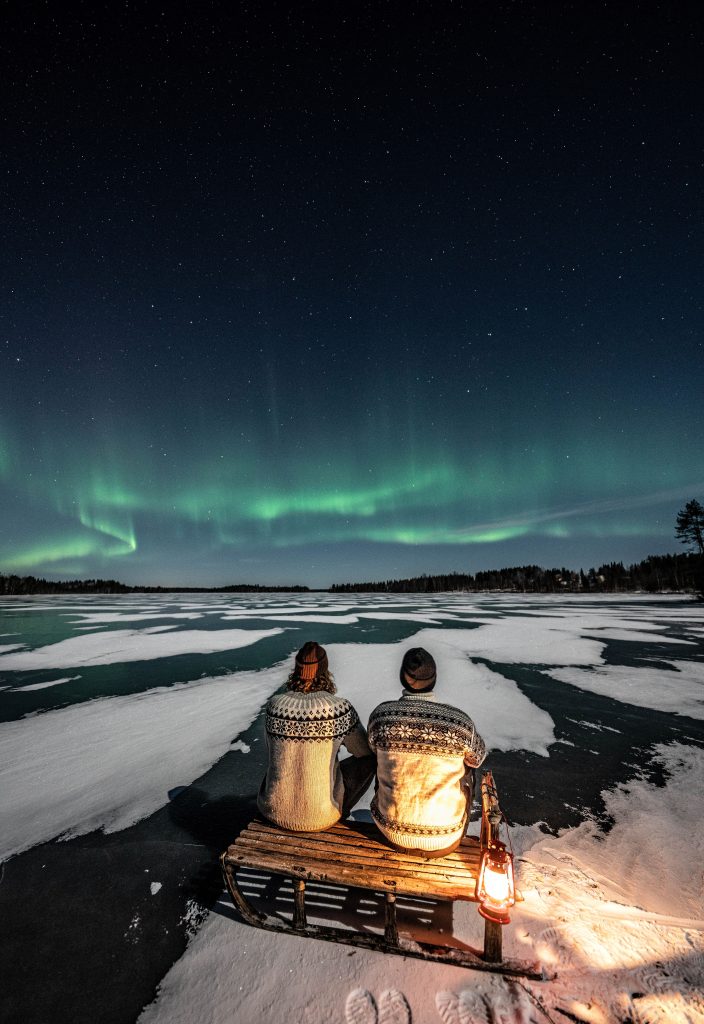
Northern Lights hunting often involves standing still in open terrain for extended periods, sometimes late at night when temperatures drop further. This is when the most heavily insulated boot you own earns its place. Northern Lights hunting with Arctic Dreams House is a guided, private experience away from light pollution, and being dressed correctly from head to toe, including your feet, determines how long you can comfortably stay out to watch the display.
What socks should you wear inside winter boots in Lapland?
Inside winter boots in Lapland, you should wear merino wool socks or thermal wool-blend socks. Wool regulates temperature effectively, wicks moisture away from the skin, and retains warmth even when damp. A single thick merino sock is typically better than layering multiple thin socks, which can restrict circulation and actually make your feet colder.
Avoid cotton socks entirely in cold conditions. Cotton absorbs moisture and holds it against the skin, accelerating heat loss. Synthetic thermal socks designed for cold-weather use are a reliable alternative to wool if you prefer them. Look for socks with cushioned soles and a snug but not tight fit: compression restricts blood flow, which is one of the primary ways feet lose warmth in extreme cold.
Carry a spare pair of socks in your daypack. If your feet perspire during active excursions, changing into a dry pair midway through the day makes a significant difference to comfort and warmth for the remainder of the outing.
Should you buy or rent winter boots for a Lapland trip?
For most visitors, renting winter boots in Lapland is the practical and cost-effective choice, particularly for a stay of one to two weeks. High-quality Arctic boots are a significant investment, and unless you live in a climate where you will use them regularly, purchasing a dedicated pair rarely makes financial sense for a single trip.
Arctic Dreams House offers winter clothing and boot rentals, making it straightforward to arrive prepared without the burden of packing bulky footwear. This is especially convenient for guests flying into Rovaniemi with standard luggage allowances. Rental boots are selected for the conditions and are properly maintained for safety and warmth.
Buying your own boots makes sense if you plan to return to Lapland or similarly cold destinations regularly, or if you have specific fit requirements that standard rental sizes do not accommodate. In that case, invest in a reputable cold-weather boot with a temperature rating well below -30°C and break them in before your trip to avoid blisters on unfamiliar terrain.
What should you avoid wearing on your feet in Lapland winter?
In Lapland winter, you should avoid wearing leather-soled shoes, fashion boots, standard hiking boots without thermal insulation, and any footwear with a smooth rubber or synthetic sole. These options fail in one or more critical areas: insulation, grip, waterproofing, or shaft height, and any single failure point can turn a pleasant outing into a genuinely uncomfortable or unsafe experience.
Specifically, avoid the following:
- Fashion ankle boots: Too short, too thin, and rarely waterproof
- Standard trainers or running shoes: No insulation, no grip on ice, and moisture enters immediately
- Three-season hiking boots: Designed for cool, not Arctic, conditions – the insulation is insufficient below -10°C
- Leather-soled dress shoes: Virtually no grip on ice and zero thermal protection
- Boots with metal buckles or zips exposed on the outer shell: Metal conducts cold directly to the foot
The consequences of poor footwear in Lapland go beyond discomfort. Frostbite can affect the toes and feet within minutes of exposure in extreme cold, and slipping on icy paths is a genuine hazard. Getting your footwear right is not a luxury consideration: it is a safety one.
For a seamless, fully prepared arrival in Lapland, Arctic Dreams House can arrange winter clothing and boot rentals alongside a complete programme of bespoke activities. Whether you are planning a Northern Lights hunting excursion, a private husky ride, or a snowshoeing adventure through pristine Arctic forest, the right footwear is the foundation of the experience. Explore all available Arctic activities and pair them with a stay at the premium apartment in central Rovaniemi for a complete, effortless winter escape. To arrange a tailored itinerary or book the Luxury Downtown Rovaniemi apartment, reach out directly and the team will take care of every detail.