The best time to see the northern lights is from late August through early April, when Lapland experiences sufficient darkness for aurora borealis viewing. The peak season runs from September to March, with the darkest months of November, December, and January offering the longest viewing windows each night. This guide answers the most common questions travelers have about planning their aurora experience in Finnish Lapland.
When are northern lights most visible in Lapland?
Northern lights are most visible in Lapland between late August and early April, with the strongest aurora activity typically occurring around the autumn and spring equinoxes in September and March. During these months, geomagnetic conditions are statistically more favorable, and Lapland sits directly beneath the auroral oval, the ring-shaped zone where aurora displays are most frequent and intense.
Finnish Lapland, including the Rovaniemi and Ranua region, lies at a latitude that places it well within this auroral zone. This means that on clear, dark nights, the probability of seeing at least some aurora activity is genuinely high throughout the core season. The winter months of December and January offer near-total darkness, which maximizes the contrast needed to see even faint displays. However, the trade-off is that overcast skies are also more common in deep winter.
September and March are widely considered the sweet spot for aurora hunters. Nights are long enough for extended viewing, the weather tends to be clearer than in midwinter, and solar activity around the equinoxes creates favorable geomagnetic conditions. October and February are strong alternatives that combine reasonable darkness with a good chance of clear skies.
- September and October: Early season, excellent geomagnetic conditions, often crisp and clear nights
- November to January: Maximum darkness, longest viewing windows, higher cloud cover risk
- February and March: Increasing daylight but still long nights, statistically clear skies, strong auroral activity around the equinoxes
How many nights do you need to see the northern lights?
Most aurora experts and experienced guides recommend staying a minimum of four to five nights to give yourself a realistic chance of witnessing a clear, vivid northern lights display. Three nights is possible if conditions cooperate, but it leaves little buffer against cloudy weather or low solar activity. A week-long stay significantly improves your odds.
The northern lights are a natural phenomenon, which means no operator or forecast can guarantee a sighting on any specific night. Cloud cover is the single biggest obstacle, even when aurora activity is strong, an overcast sky will block the view entirely. A longer stay simply gives you more opportunities to catch that one clear, active night that makes the entire trip unforgettable.
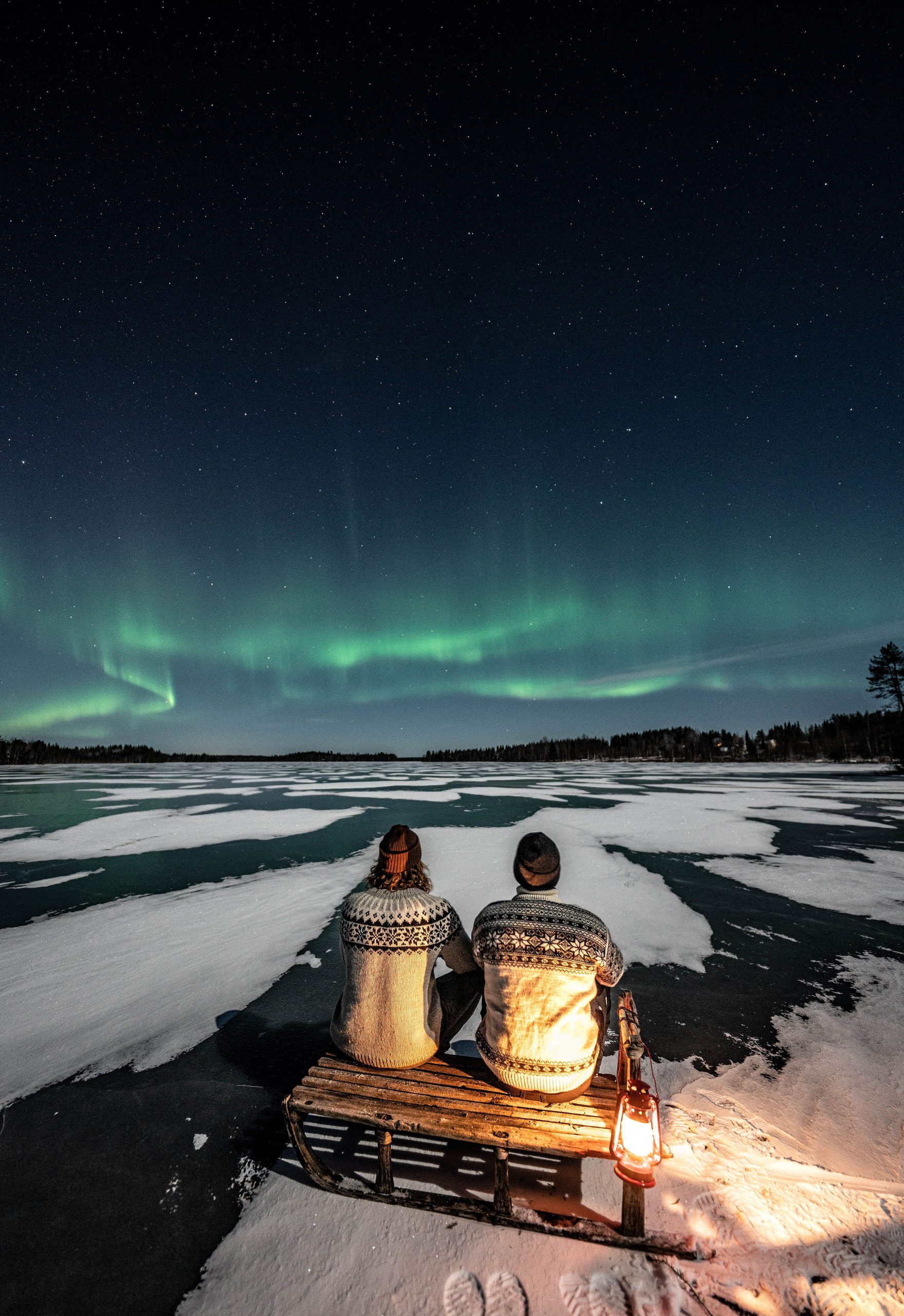
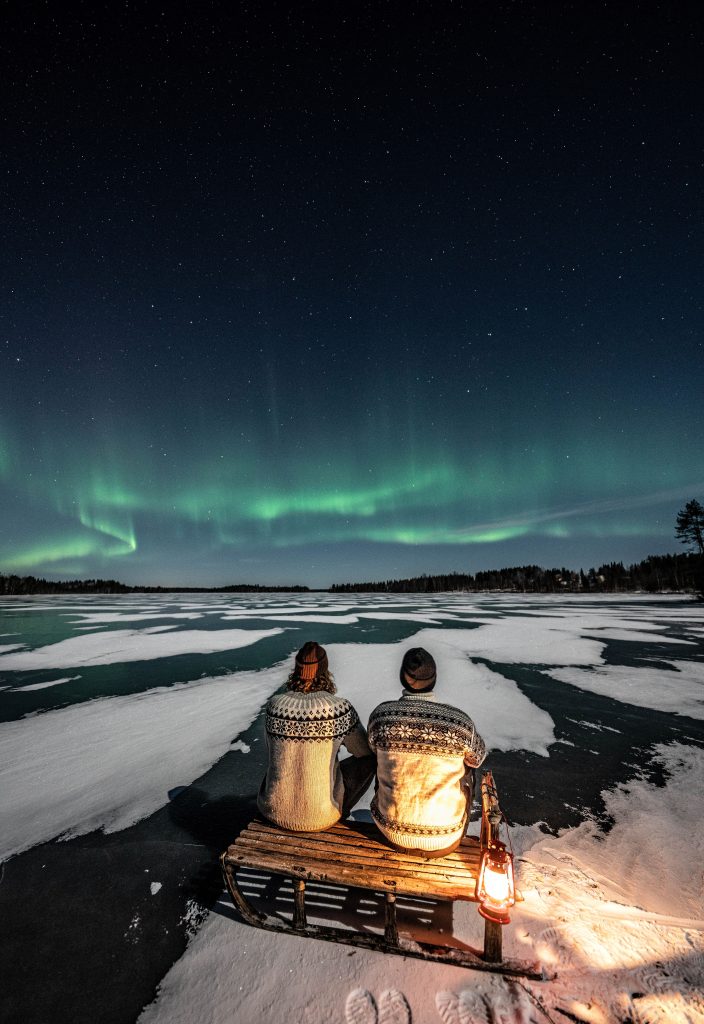
Travelers who book only one or two nights in Lapland often leave disappointed, not because the aurora was absent, but because the weather did not cooperate during their brief window. Experienced aurora hunters treat the chase as part of the experience and plan their itinerary with flexibility in mind. Staying at a secluded property like Villa Wikkelä in Ranua gives you the added advantage of zero light pollution, so even a moderate aurora display becomes a spectacular sight from your own outdoor hot tub or terrace.
What weather conditions are best for aurora viewing?
The ideal weather conditions for aurora borealis viewing are clear, cloudless skies combined with low atmospheric humidity and minimal wind. Cloud cover is the primary enemy of aurora watching, even a thin layer of high cloud can obscure an active display entirely. Cold, high-pressure weather systems, which are common in Lapland during winter, typically bring the clearest skies.
In practical terms, the best viewing nights often follow a cold snap or a period of settled weather. When temperatures drop sharply and the air is dry, visibility improves dramatically. This is one reason why the coldest nights in January and February, despite being uncomfortable, can produce some of the most memorable aurora experiences.
Monitoring weather forecasts and aurora activity indices in the days before and during your stay is essential. Several free apps and services provide both cloud cover maps and Kp-index forecasts. The Kp-index measures geomagnetic activity on a scale of 0 to 9, and a reading of 3 or above is generally sufficient for a visible display in Lapland. Staying in a location away from urban light pollution, such as the wilderness around Ranua, means you benefit from even low-activity aurora events that would be invisible from a city center.
If you want professional guidance on the best conditions each night, Northern Lights Hunting with an experienced local guide takes the guesswork out of the chase and positions you in the optimal location at the right moment.
Can you see the northern lights in summer in Finland?
No, you cannot see the northern lights in summer in Finland. The aurora borealis requires darkness to be visible, and Finnish Lapland experiences the Midnight Sun from late May through mid-July, when the sun does not set at all. Even in the weeks surrounding this period, the sky never gets dark enough for aurora viewing, making summer aurora sightings in Finland effectively impossible.
The earliest realistic opportunity for aurora viewing each year is late August, when astronomical twilight begins to return to Lapland. By mid-August, nights are still quite short and only partially dark, so sightings are rare and require exceptionally strong solar activity. The season truly begins in earnest from September onward, when genuine darkness returns and viewing conditions become reliable.
Summer in Lapland has its own extraordinary natural phenomenon, the Midnight Sun, which attracts a different category of traveler seeking the surreal experience of sunlight at midnight. But if the northern lights are on your bucket list, plan your visit between September and March without exception.
What time of night do northern lights usually appear?
Northern lights most commonly appear between 9 PM and 2 AM local time, with peak activity typically occurring around magnetic midnight, roughly 11 PM to midnight in Finnish Lapland. That said, aurora displays can begin as early as dusk and continue until dawn, so staying flexible throughout the night gives you the best chance of a sighting.
Aurora activity is not a fixed schedule. Displays can flare up suddenly for 20 minutes, fade, and then return hours later with greater intensity. This unpredictability is part of what makes the experience so thrilling. Experienced guides monitor real-time aurora forecasts and alert guests when activity spikes, which is one of the key advantages of joining a guided Northern Lights Hunting experience rather than watching independently.
For independent viewers, the practical advice is to check the Kp-index forecast before heading out, dress in warm layers, and be prepared to wait. The most spectacular displays often arrive after midnight when the sky is at its darkest. Staying at a property with outdoor facilities, such as an outdoor hot tub or a glassed-in terrace, makes the waiting far more comfortable and enjoyable.
Is Rovaniemi or Ranua better for northern lights viewing?
Ranua is generally better than Rovaniemi for northern lights viewing because it offers significantly less light pollution. Rovaniemi is a city with urban lighting that washes out fainter aurora displays, while the wilderness around Ranua provides the dark skies that make even moderate aurora activity visible with impressive clarity. For serious aurora hunters, the difference is meaningful.
Rovaniemi has the practical advantage of being a transport hub, the airport, restaurants, and urban amenities are all concentrated there. Many travelers base themselves in Rovaniemi and take guided excursions into darker areas for aurora viewing, which is a perfectly valid approach. However, those who prioritize the aurora experience itself will find that staying in the Ranua wilderness eliminates the need to travel each night and places them in optimal conditions from the moment they step outside.
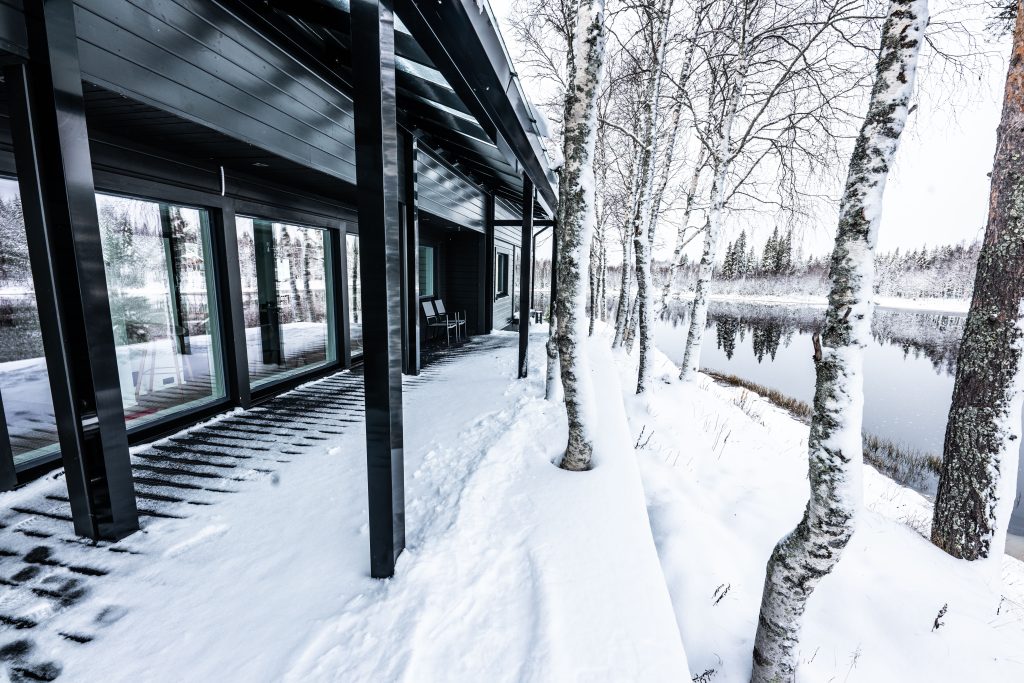
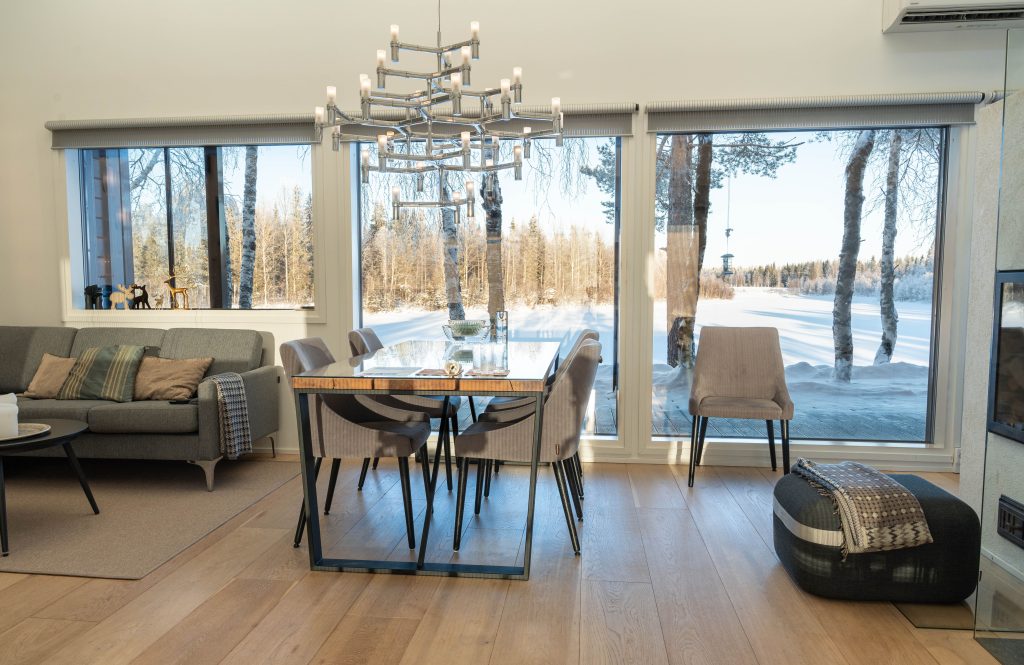
Villa Wikkelä, located in the pristine wilderness near Ranua, sits in an area with virtually no light pollution and no neighboring properties. Guests can watch the northern lights from the outdoor hot tub, the glassed-in terrace, or simply from the garden, without leaving the property. The villa is approximately one hour from Rovaniemi Airport, making it accessible without sacrificing the dark-sky advantage that makes aurora viewing in this region so exceptional.
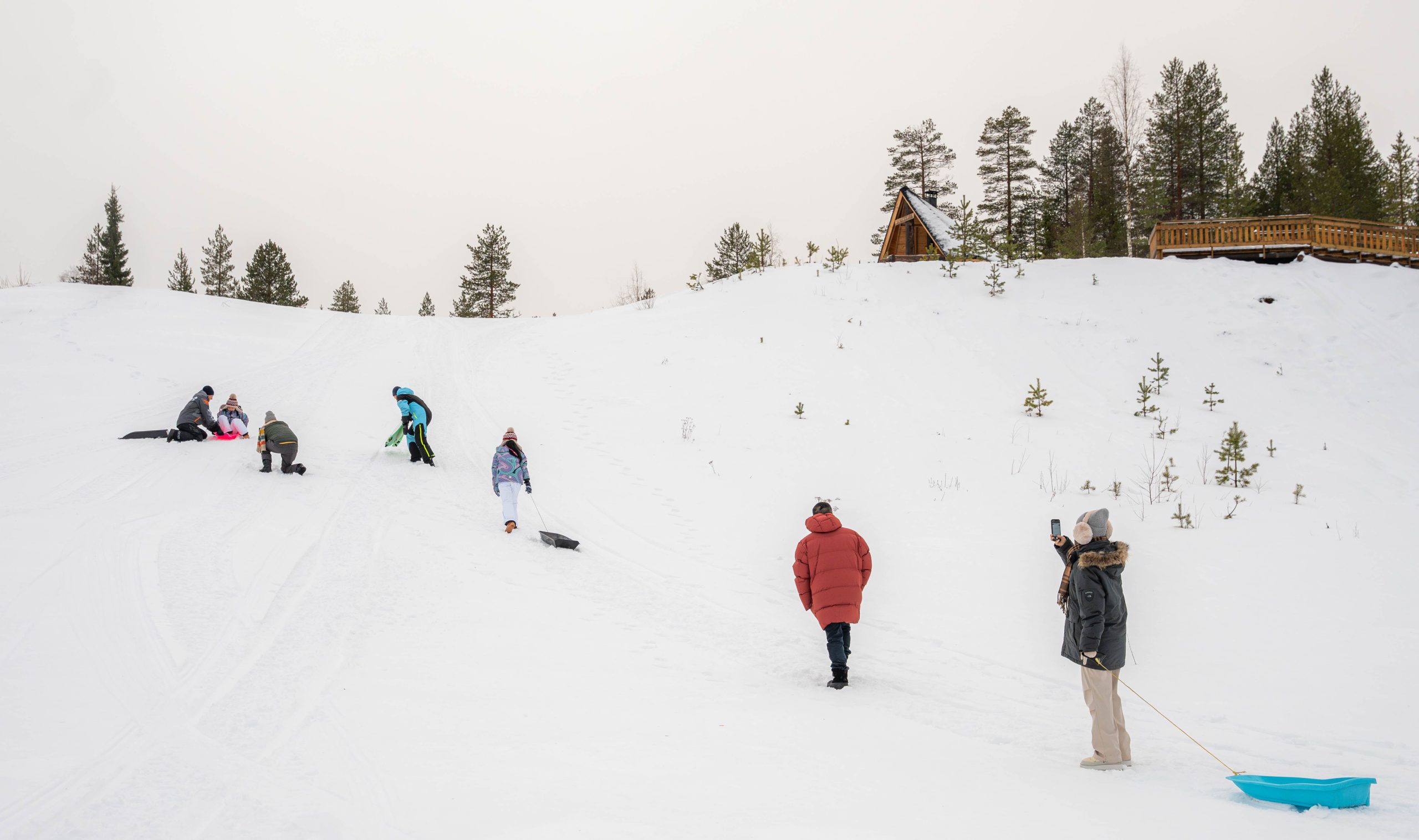
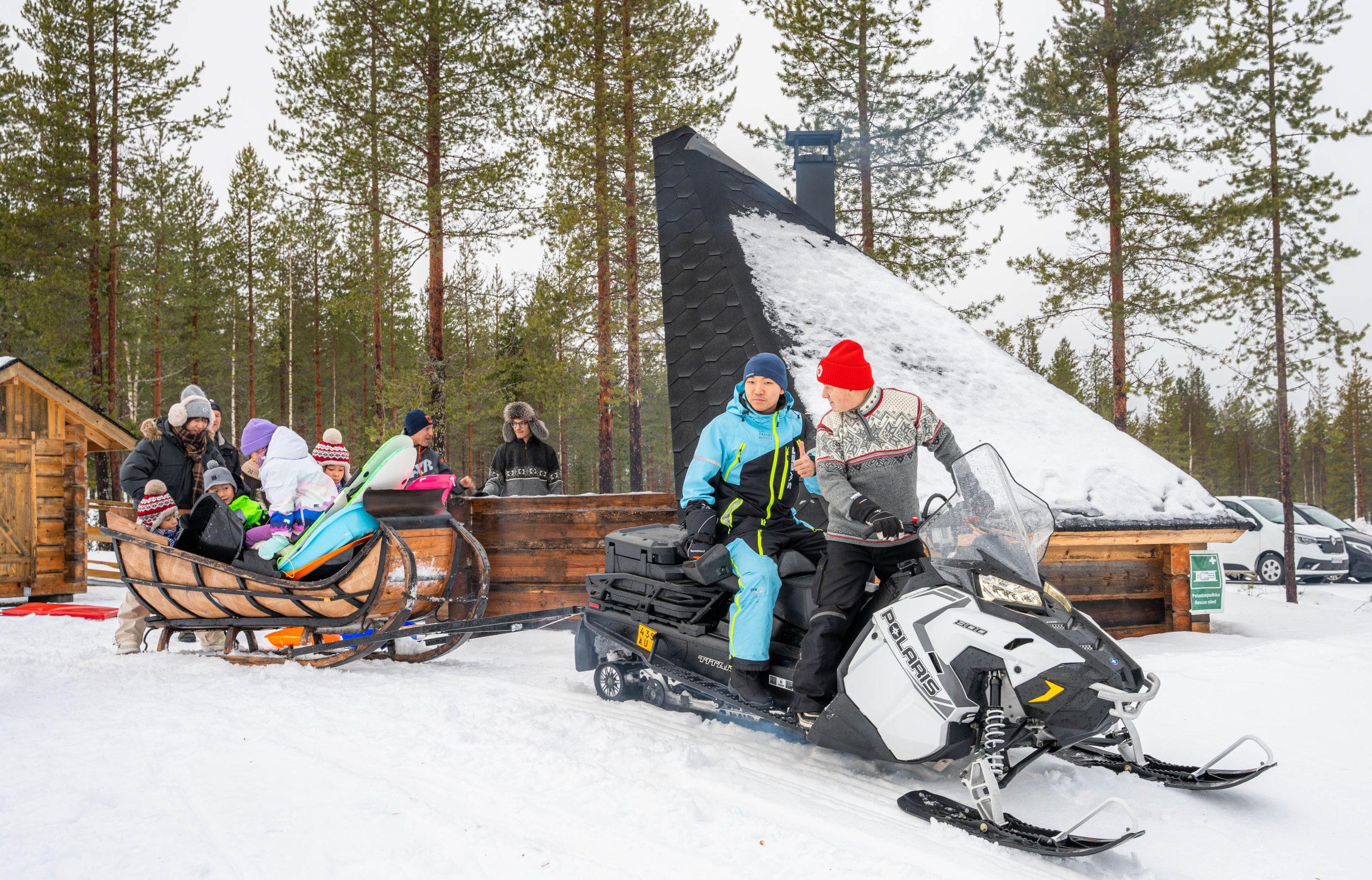
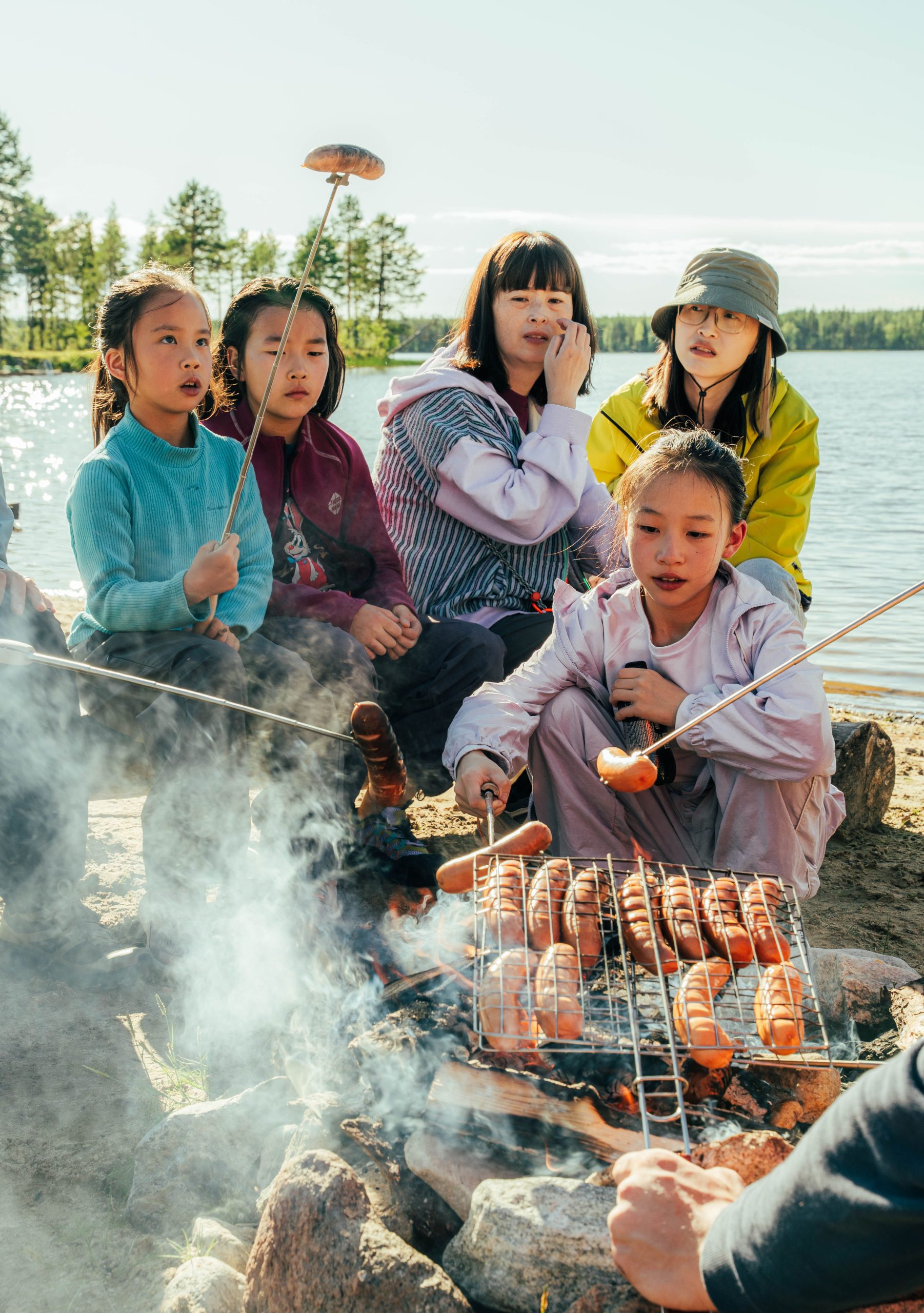
Beyond the northern lights, both areas offer a rich range of winter activities. Arctic Dreams House arranges bespoke experiences including snowshoeing, husky safaris, and authentic sauna experiences, all available upon request. Explore the full range of arctic activities to build your ideal Lapland itinerary. And for a truly unique addition to your stay, consider a private meeting with Santa Claus through Private Santa, an exclusive, crowd-free experience in the Ranua wilderness that is unlike anything offered in the city.
If you are ready to plan your northern lights journey in Lapland, Villa Wikkelä offers the perfect base, secluded, beautifully designed, and positioned exactly where the aurora shines brightest. Contact Arctic Dreams House to craft a stay built entirely around your needs.