In winter, Lapland temperatures typically range from around -5°C to -30°C (23°F to -22°F), so layering is essential. The standard approach is a three-layer system: a moisture-wicking base layer, an insulating mid layer, and a windproof outer shell. Getting your clothing right makes the difference between a magical Arctic experience and an uncomfortable one. The sections below answer the most common questions travelers have before packing for a Lapland winter trip.
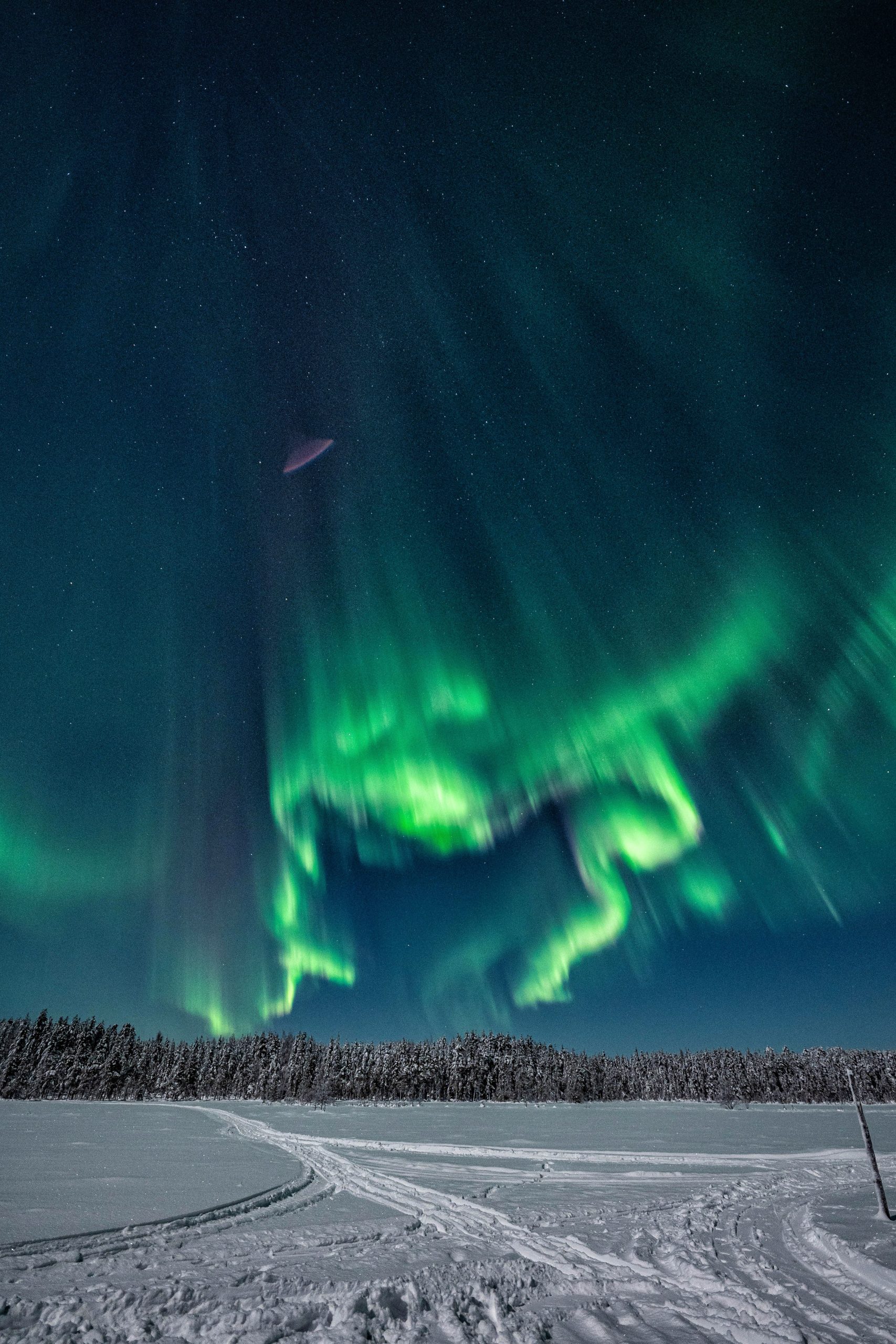
If you are planning to stay in the heart of Rovaniemi, The Luxury Downtown Rovaniemi is a premium apartment in the city center that puts you within walking distance of shops, restaurants, and the riverside, a seamless base for exploring Lapland in comfort and style. And if you are looking for something to do after dark, be sure to discover Northern Lights Hunting with Arctic Dreams House.
How cold does Lapland actually get in winter?
Lapland winters are genuinely cold, with temperatures in Rovaniemi and the surrounding region regularly falling between -10°C and -25°C (14°F to -13°F). During cold snaps, particularly in January and February, the mercury can drop as low as -35°C (-31°F). Wind chill makes exposed skin vulnerable within minutes, so preparation is not optional, it is the foundation of a safe and enjoyable trip.
The coldest months are January and February, while December and March sit at the milder end of the winter spectrum. Even on a relatively mild day of -5°C, the combination of wind, humidity, and extended time outdoors, especially during activities like snowmobile safaris or Northern Lights hunts, can feel far colder than the thermometer suggests. Dressing for the coldest realistic scenario, not the average, is always the wiser approach.
The good news is that dry Arctic cold is far more manageable than damp cold at milder temperatures. Once you are properly layered, -20°C in Lapland can feel entirely comfortable, and the crisp, still air under a sky full of stars or dancing Northern Lights makes every degree of preparation worthwhile.
What is the base layer system for Lapland winters?
The base layer system for Lapland winters consists of three distinct layers: a moisture-wicking base layer worn directly against the skin, a thermal mid layer for insulation, and a windproof and waterproof outer shell. Each layer has a specific function, and the system works because air trapped between layers retains body heat while moisture is continuously moved away from the skin.
Base layer: moisture management
The base layer should be made from merino wool or a high-performance synthetic fabric. Its job is to pull sweat away from your skin so you stay dry. Avoid cotton entirely, it absorbs moisture and holds it against the body, which accelerates heat loss in cold conditions. Merino wool is particularly popular for Lapland because it regulates temperature naturally and resists odor over multiple days of wear.
Mid layer: insulation
The mid layer provides the bulk of your warmth. Fleece jackets, down vests, and wool sweaters all work well. For very cold days or extended outdoor activities, a down or synthetic-fill jacket rated to at least -20°C is the right choice. The key is that this layer should be compressible enough to fit comfortably under your outer shell without restricting movement.
Outer shell: wind and weather protection
The outer shell blocks wind, repels snow, and keeps moisture out. Look for a jacket and trousers that are waterproof, windproof, and breathable. Many travelers opt for a full ski suit or a dedicated Arctic overall, which combines the mid and outer layers into one garment, a practical choice for shorter trips. For temperatures below -20°C, an insulated Arctic overall rated for extreme cold is the most reliable option.
What should you wear on your feet in Lapland?
For Lapland winters, you need insulated, waterproof boots rated to at least -30°C, worn over thermal socks. Standard winter boots designed for urban use are rarely sufficient. Boots with a thick rubber sole, felt lining, and ankle height of at least 20–25 cm are the standard recommendation for sustained outdoor activity in deep snow and sub-zero temperatures.
Layering applies to feet as well. Start with a thin moisture-wicking liner sock, then add a thick merino wool or thermal sock over the top. Avoid wearing too many socks if they compress the foot inside the boot, compression reduces circulation, which is the primary cause of cold feet. A boot with enough volume to accommodate two sock layers without squeezing is the right fit.
For activities like snowshoeing, reindeer sleigh rides, or standing outdoors during a Northern Lights watch, foot warmth is critical because you are largely stationary. In those situations, boot warmers or chemical heat packs placed inside the boot are a practical addition. If you are moving actively, skiing or snowmobiling, blood flow will do most of the work, and a single high-quality thermal sock is usually enough.
What accessories are essential for staying warm in Lapland?
The most essential accessories for staying warm in Lapland are a hat or balaclava covering the ears, insulated waterproof mittens or gloves, a neck gaiter or scarf, and thermal underlayers for the face and hands. Heat loss from the head and extremities is disproportionately high, and these are the areas most commonly neglected by first-time visitors to the Arctic.
- Hat or balaclava: A fleece-lined or wool hat that fully covers the ears is the minimum. A balaclava is preferable for temperatures below -15°C or during wind-exposed activities.
- Mittens over gloves: Mittens retain significantly more warmth than gloves because fingers share heat. For activities requiring dexterity, a thin liner glove worn under a waterproof mitten gives you the best of both.
- Neck gaiter or scarf: The gap between your jacket collar and hat is a major source of heat loss. A fleece neck gaiter seals this gap and can be pulled up over the nose and chin in extreme cold.
- Goggles or sunglasses: Snow glare and wind at speed, particularly on snowmobiles, make eye protection important. Polarized goggles are ideal for most outdoor activities.
- Hand and foot warmers: Chemical warmers are inexpensive and invaluable during stationary activities. Keep a few in your pockets as a backup.
Should you rent or bring your own Arctic clothing?
For most travelers visiting Lapland for a week or less, renting Arctic clothing locally is the more practical and cost-effective choice. Purchasing a full set of proper Arctic gear, boots, overalls, mittens, and balaclava, represents a significant investment for equipment you may only use once. Renting ensures you have gear that is already rated for local conditions and fits the specific activities you have planned.
Arctic Dreams House offers winter clothing rental directly, so guests staying at properties like The Luxury Downtown Rovaniemi can arrive without a suitcase full of bulky outerwear and still be fully equipped for every experience. This is particularly convenient for travelers flying with carry-on luggage or combining Lapland with other destinations on the same trip.
That said, if you travel to cold destinations regularly or plan an extended stay, investing in your own high-quality base layers and thermal socks is worthwhile, these pack small, last for years, and make a noticeable difference in comfort. The outer layers, boots, and mittens are the items best suited to rental.
Does what you wear change depending on the activity?
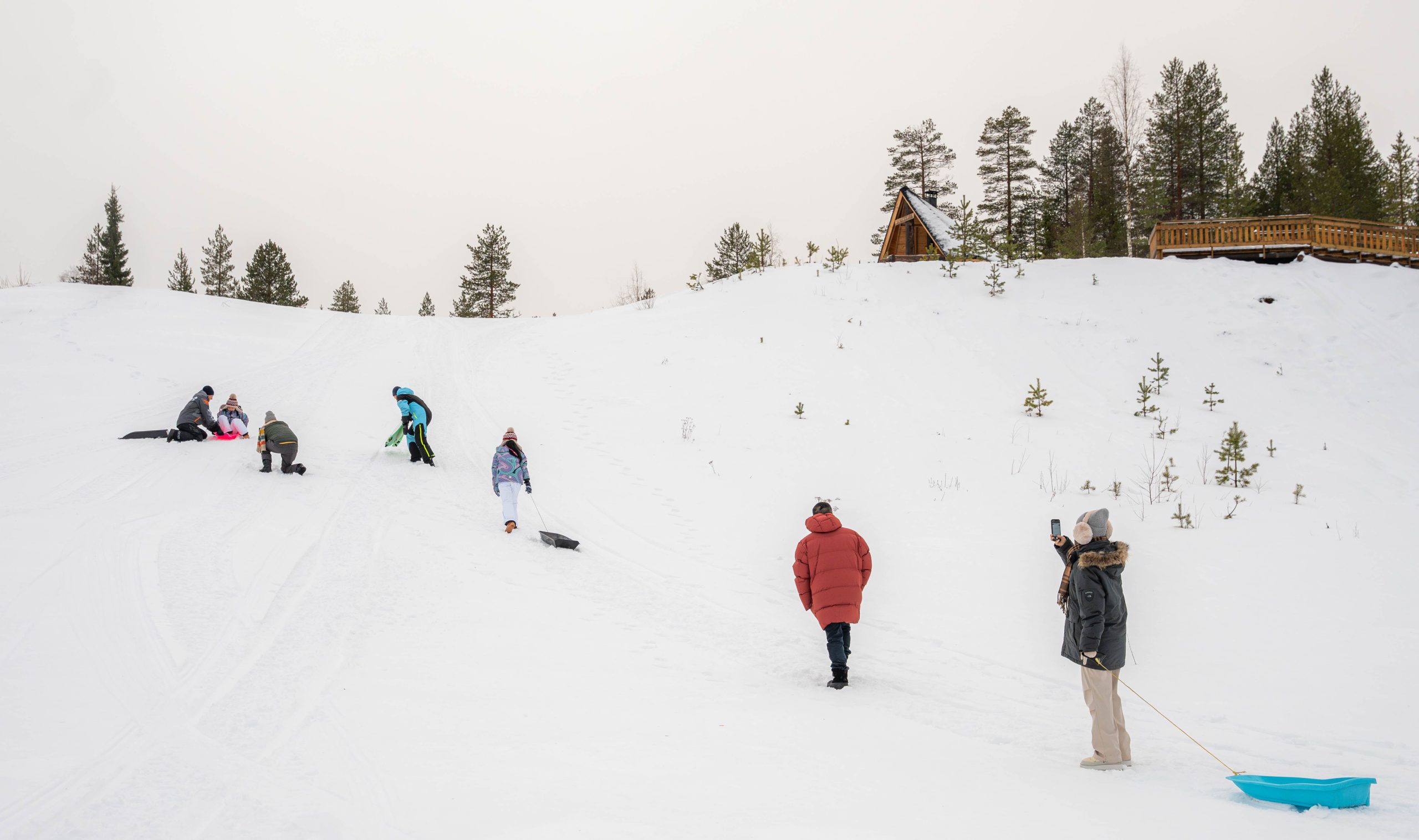
Yes, what you wear in Lapland should absolutely be adjusted based on the activity. The key variable is whether you are active and generating body heat or stationary and relying entirely on your clothing for warmth. Active pursuits like snowshoeing or cross-country skiing require lighter, more breathable layers, while stationary experiences such as watching the Northern Lights or riding a reindeer sleigh demand the heaviest insulation you can layer on.
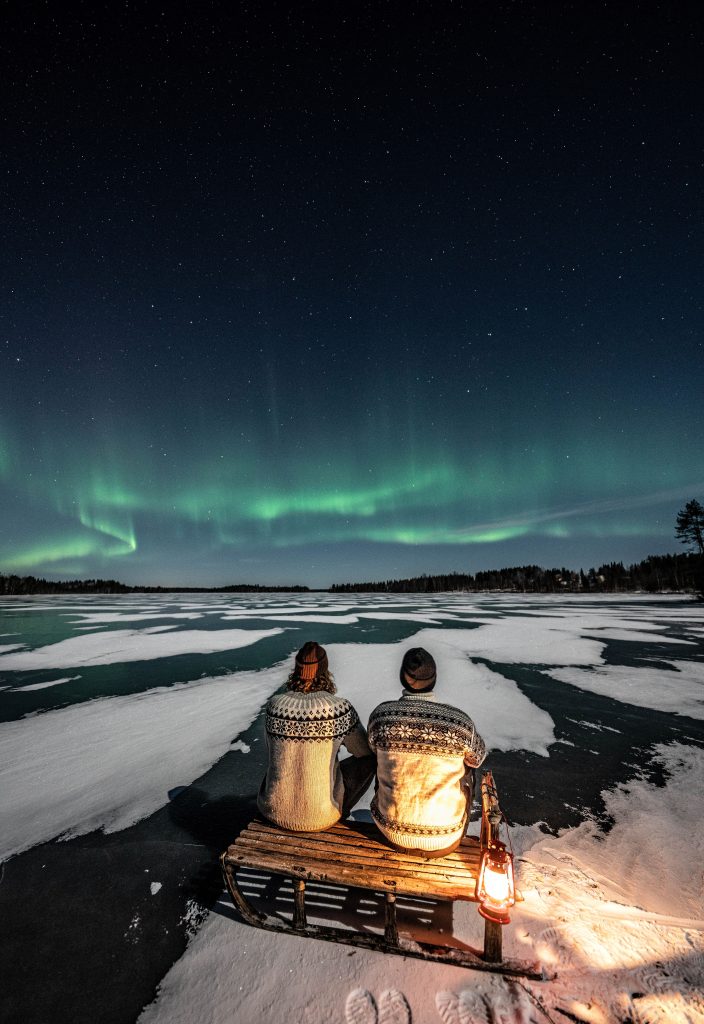
For Northern Lights Hunting, which often involves standing or sitting outdoors for extended periods in the dark and cold, dress as warmly as possible, full Arctic overalls, insulated boots, mittens, balaclava, and a neck gaiter. The cold feels most intense when you are still and excited, and the last thing you want is to cut the experience short because you are too cold to stay outside.
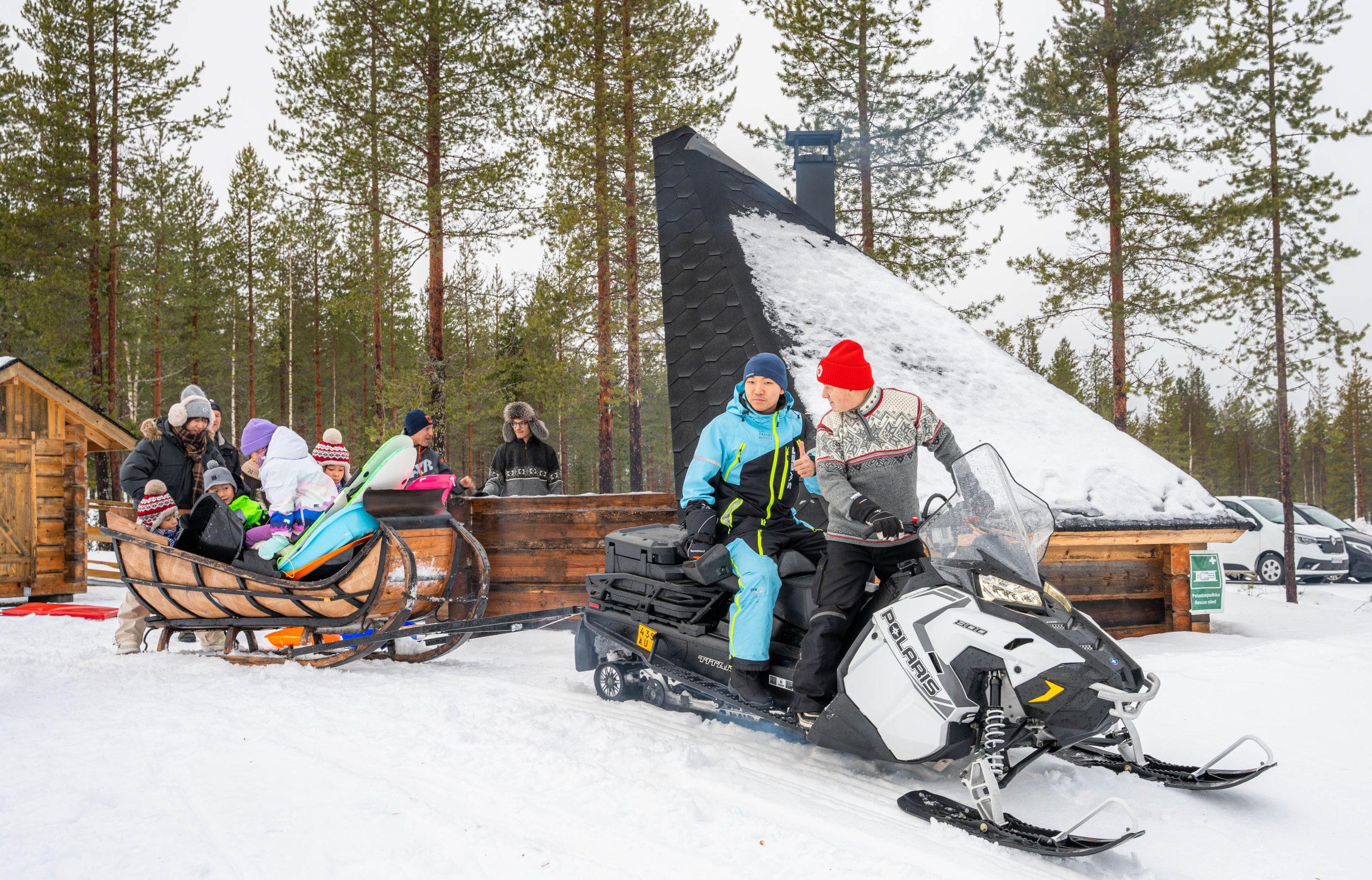
For snowmobile safaris, windproof outer layers are critical because speed amplifies the wind chill dramatically. For husky rides and sauna experiences, the transitions between cold outdoor air and warm indoor environments mean layers you can easily remove and add are especially practical. Explore all available activities with Arctic Dreams House to plan your clothing choices around your full itinerary.
One final recommendation: if you are traveling with children or planning a private experience such as a Private Santa visit in Ranua, prioritize warmth over style for the little ones. Children lose heat faster than adults and are often less vocal about discomfort. An extra layer for them is always the right call.
Planning your Lapland wardrobe carefully is one of the most important steps toward a truly enjoyable winter trip. With the right layers, the cold becomes part of the experience rather than an obstacle to it. When you are ready to plan your stay, book your Northern Lights hunt and reserve your place at The Luxury Downtown Rovaniemi to make the most of every Arctic moment.