Most arctic activities in Lapland are suitable for children under ten, including husky sleigh rides, reindeer safaris, meeting Santa, and guided wildlife visits. The key is matching each activity to the child’s age, stamina, and cold tolerance. Young children thrive in Lapland when experiences are private, unhurried, and thoughtfully paced rather than rushed group tours. The sections below answer the most common questions families ask before planning a Lapland trip with young children.
Which arctic activities are safe for toddlers and young children?
Toddlers and young children can safely enjoy a wide range of arctic activities in Lapland, provided those activities are calm, well-supervised, and adapted to short attention spans. The safest and most rewarding options for children under ten include reindeer sleigh rides, husky sleigh rides as passengers, meeting Santa, snowshoeing on gentle terrain, building snowmen, and guided zoo visits. Activities that involve speed, physical exertion, or prolonged cold exposure are better suited to older children and adults.
The most important safety factor is not the activity itself but how it is organized. Private, professionally guided experiences allow the pace to be set entirely around the child. There are no crowds to navigate, no waiting in long queues in freezing temperatures, and no pressure to keep up with a group. A young child who needs a warm-up break or a shorter session gets exactly that, without disrupting anyone else’s experience.
Activities that work particularly well for toddlers include anything that keeps them seated and warm, such as a reindeer sleigh gliding through a snowy forest or a cozy indoor visit to see arctic animals. Even two- and three-year-olds tend to respond with delight to the sensory experience of Lapland’s winter landscape when they are comfortable and well-dressed.
What should children wear for outdoor arctic activities?
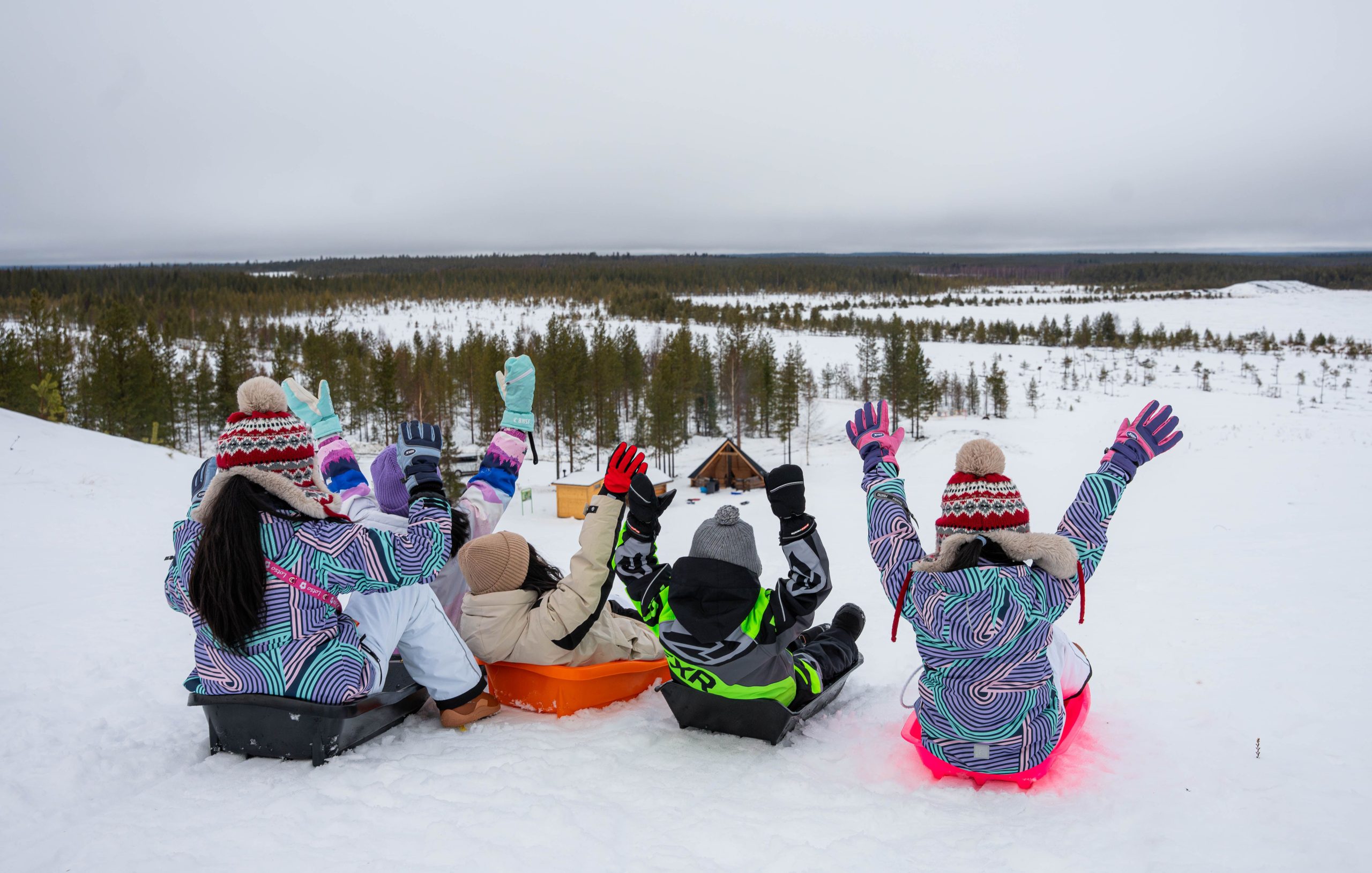
Children taking part in outdoor arctic activities in Lapland should wear a three-layer clothing system: a moisture-wicking base layer, a warm insulating mid-layer, and a windproof and waterproof outer shell. Thermal underlayers, fleece or wool mid-layers, and a quality snowsuit form the foundation. Equally important are warm boots rated for temperatures below minus twenty degrees Celsius, wool socks, insulated mittens, a hat covering the ears, and a neck gaiter or balaclava.
Young children lose body heat faster than adults, and their core temperature can drop quickly during passive activities like sleigh rides, where they are sitting still rather than moving. For toddlers and children under five, an extra insulating layer or a bundled blanket inside the sleigh is strongly recommended.
Many families visiting Lapland for the first time underestimate how cold it feels when the wind picks up or when temperatures dip well below minus fifteen. Rental snowsuits are widely available in the Rovaniemi area, which is a practical option if traveling light. However, ensuring the fit is snug enough to prevent drafts at the wrists and ankles is worth checking before heading outdoors.
Are husky and reindeer sleigh rides suitable for kids under ten?
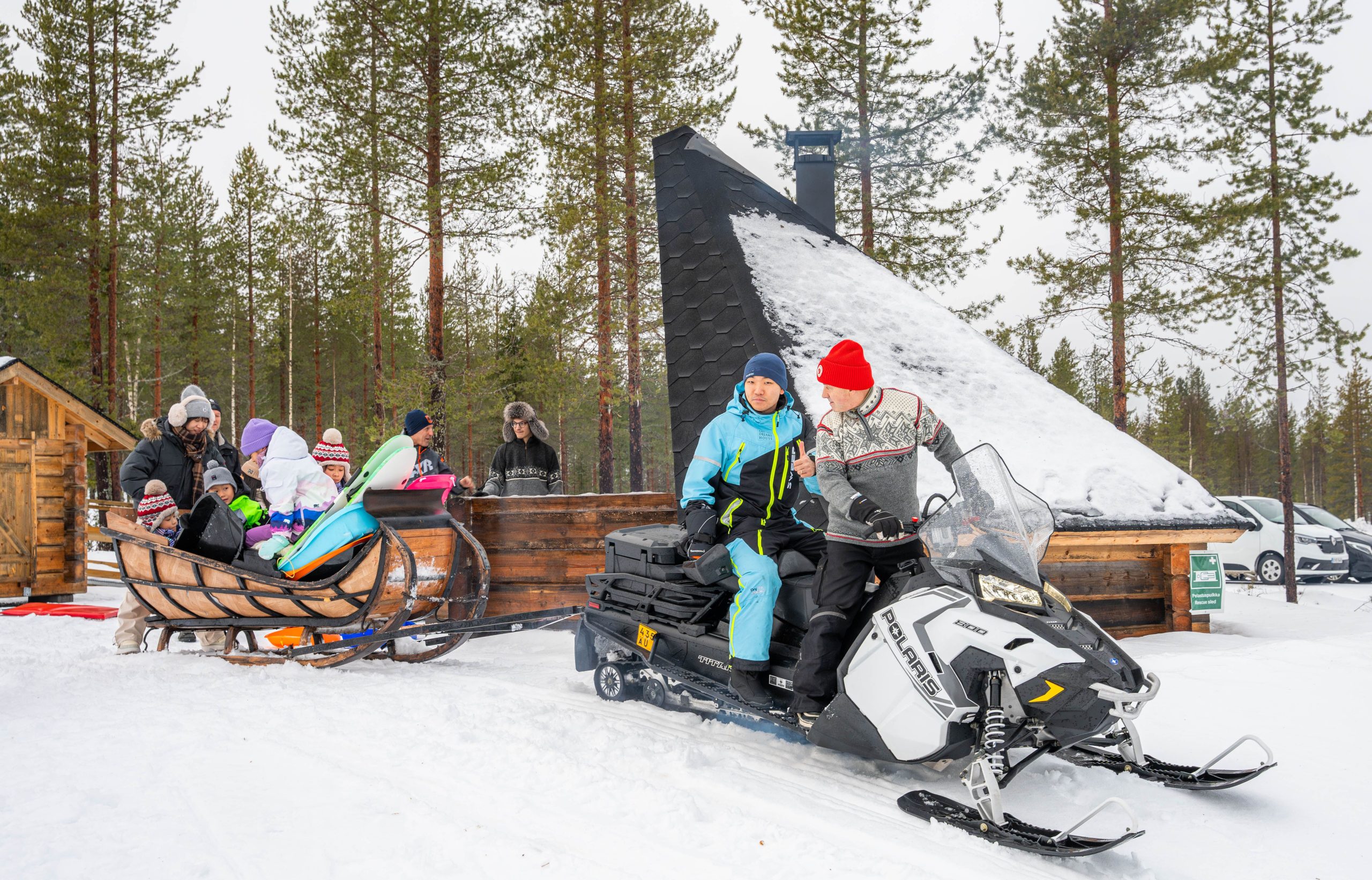
Yes, both husky and reindeer sleigh rides are suitable for children under ten, and they rank among the most memorable family-friendly arctic experiences available in Lapland. Young children ride as passengers in the sleigh rather than driving, which means there is no minimum age requirement for participation. The rides are gentle, scenic, and conducted at a relaxed pace through quiet forest landscapes.
Reindeer sleigh rides tend to feel especially calm and magical for very young children. The pace is slow, the setting is serene, and the presence of reindeer carries an obvious fairy-tale quality that resonates deeply with small children. Husky sleigh rides are slightly more dynamic, with the sound and energy of the dogs adding excitement that older toddlers and children from around four or five years old tend to love.
For families with children under ten, a private sleigh experience makes a significant difference. A bespoke private ride means the guide can adjust the route length, manage the pace, and respond to how the child is feeling throughout. Arctic Dreams House arranges fully private husky and reindeer sleigh rides through their premium arctic activities service, ensuring the experience is tailored entirely to your family.
Can young children see the Northern Lights in Lapland?
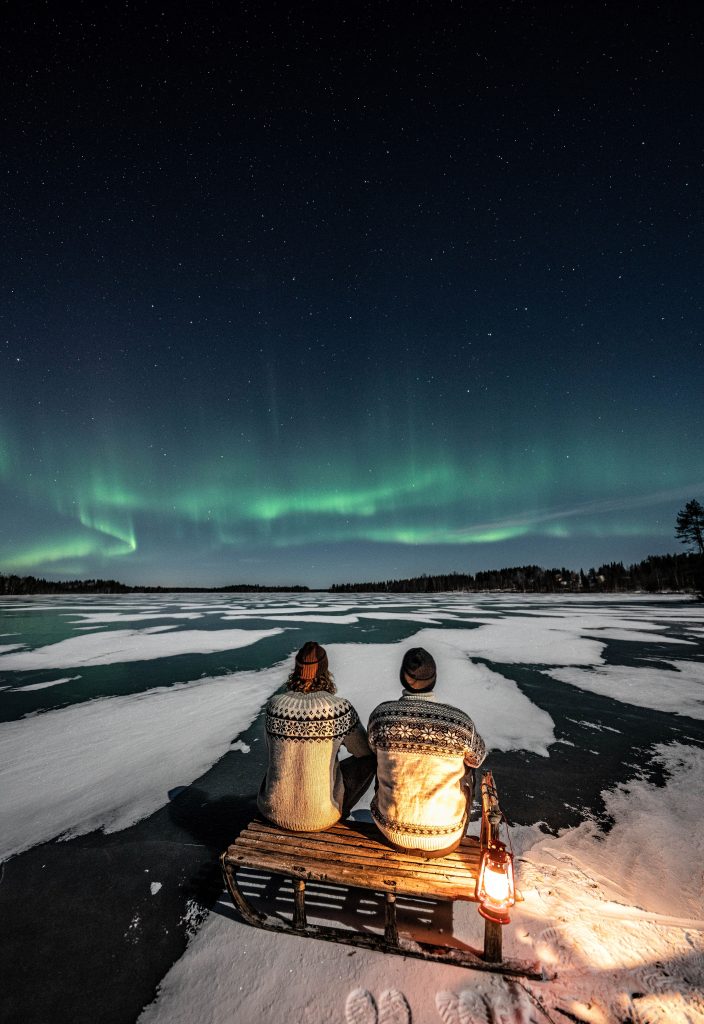
Yes, young children can absolutely see the Northern Lights in Lapland, and many families count it among the most profound shared experiences of their lives. There is no age restriction on witnessing the aurora borealis. The practical consideration is timing and comfort: a Northern Lights hunt typically takes place late in the evening when aurora activity peaks, which means young children need to be kept warm, comfortable, and ideally rested beforehand.
Children under ten often respond to the Northern Lights with extraordinary wonder. The visual spectacle of green, violet, or white ribbons of light moving across a dark arctic sky is genuinely awe-inspiring at any age. The key to making it work for young children is avoiding the cold, crowded group tours, where waiting outdoors for extended periods becomes exhausting. A private Northern Lights safari, conducted from a warm vehicle with stops timed around the child’s comfort, is far more successful.
Lapland’s dark winter skies from late August through early April offer the best aurora visibility conditions. The Rovaniemi and Ranua area, away from city light pollution, provides particularly clear viewing conditions. Flexible scheduling, a warm base, and a knowledgeable private guide dramatically improve the chances of a successful sighting for the whole family.
What indoor or low-intensity arctic experiences work for young children?
Indoor and low-intensity arctic experiences that work especially well for young children include visiting Ranua Wildlife Park to see polar bears, arctic foxes, wolverines, and lynx in their natural habitat; meeting Santa in a private, unhurried setting; snowman and snow sculpture building; and gentle snowshoeing on flat terrain. These activities are physically accessible, emotionally engaging, and manageable for children as young as two or three years old.
Ranua Wildlife Park is one of the most child-friendly destinations in all of Lapland. It is the northernmost zoo in the world, home to over fifty arctic and subarctic species. Young children are captivated by the polar bears and snowy owls, and the park is navigable at a slow, exploratory pace that suits small legs and short attention spans perfectly.
A private Santa meeting is another experience that sits at the heart of Lapland for families with young children. Unlike busy public Santa venues, where children wait in lines surrounded by crowds, a fully private Santa encounter is intimate, calm, and tailored to the child. The exclusive private Santa experience offered through Arctic Dreams House creates a genuinely personal moment that young children remember long after the trip ends.
Ice fishing in a heated tent is another low-intensity option that works well for children from around five years old. The combination of novelty, patience, and the thrill of a potential catch holds attention surprisingly well, and the warm shelter means cold is not a limiting factor.
When is the best time of year to visit Lapland with young children?
The best time to visit Lapland with young children under ten is between late November and early March, when reliable snow cover, festive atmosphere, and manageable daylight conditions combine to create the most magical and child-friendly experience. December is particularly popular for families due to the Christmas season atmosphere, Santa experiences, and the enchanting quality of a fully snow-covered Lapland landscape.
January and February offer the deepest snow conditions and the best statistical chances of clear skies for Northern Lights viewing. Temperatures are at their coldest during this period, which requires careful clothing preparation, but the landscape is at its most spectacular and the days are beginning to lengthen again after the darkest weeks of December.
Families who want to avoid the busiest holiday crowds while still experiencing full winter conditions often find late January through February to be the most rewarding window. Activities are fully available, accommodation options are at their widest, and the pace of the destination is slightly calmer than the peak Christmas and New Year period.
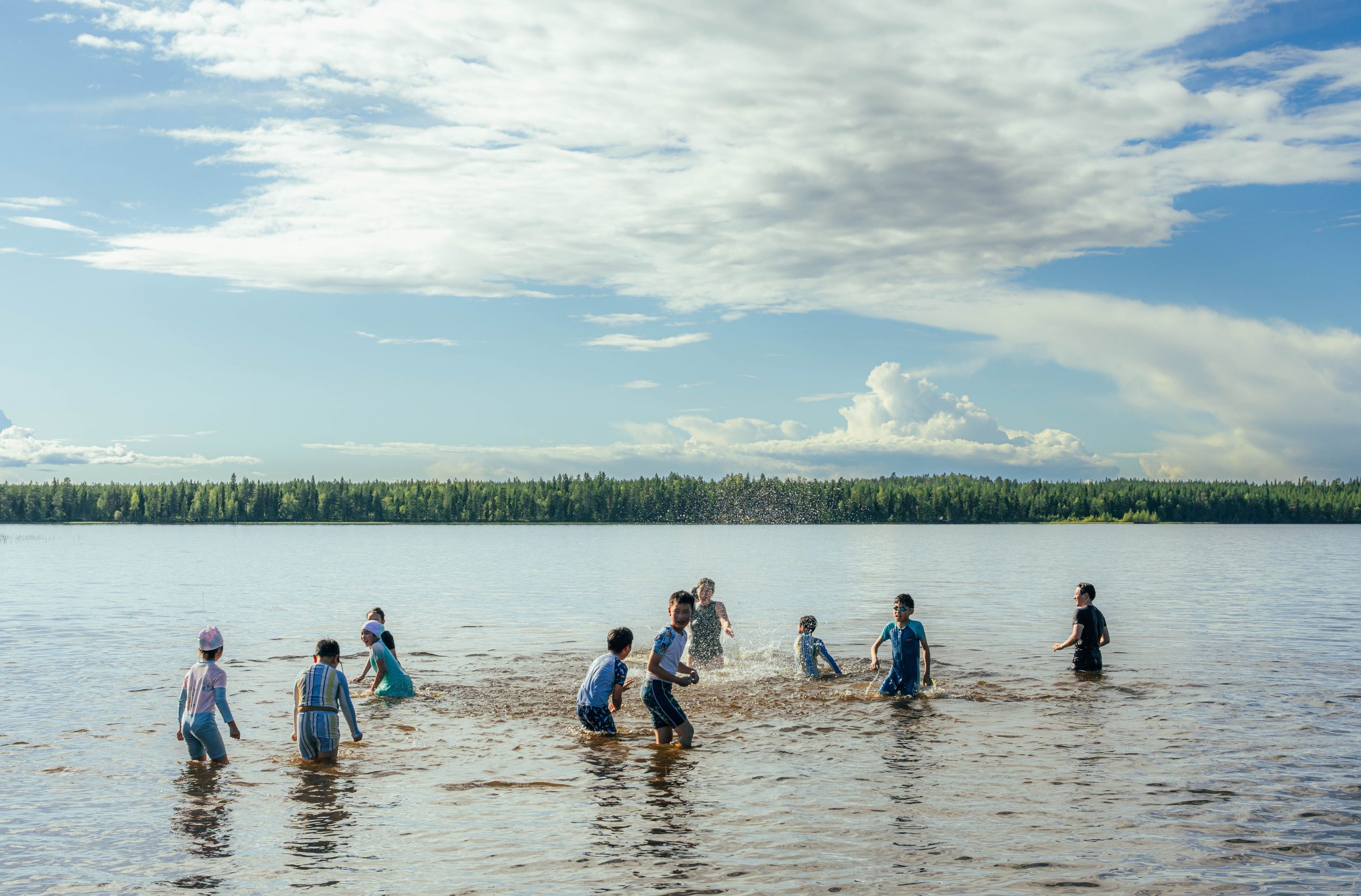
For families interested in the Midnight Sun and a completely different arctic experience, June and July in Lapland offer endless daylight, lush wilderness, and warm temperatures that make outdoor exploration effortless for young children. While the winter magic is absent, the summer landscape of Lapland is genuinely beautiful and surprisingly accessible for families with toddlers.
Whatever time of year you choose, planning ahead ensures the best experience for young children. Contact the Arctic Dreams House team to discuss your family’s preferences, your children’s ages, and the activities that matter most to you. Every itinerary is crafted individually, ensuring your family’s Lapland journey is as seamless and unforgettable as it deserves to be.