Both options offer a genuinely rewarding stay, but the right choice depends on what you want most from your time in Finnish Lapland. A riverside villa in Lapland suits guests who want easy access to Rovaniemi’s activities and a scenic waterfront setting, while a forest retreat in Finnish Lapland suits those seeking deeper solitude, wildlife encounters, and total immersion in Arctic wilderness. Your priorities around activities, Northern Lights viewing, family logistics, and romance will each point toward one setting more than the other. The questions below break down every key difference so you can choose with confidence.
What’s the difference between a riverside villa and a forest retreat in Lapland?
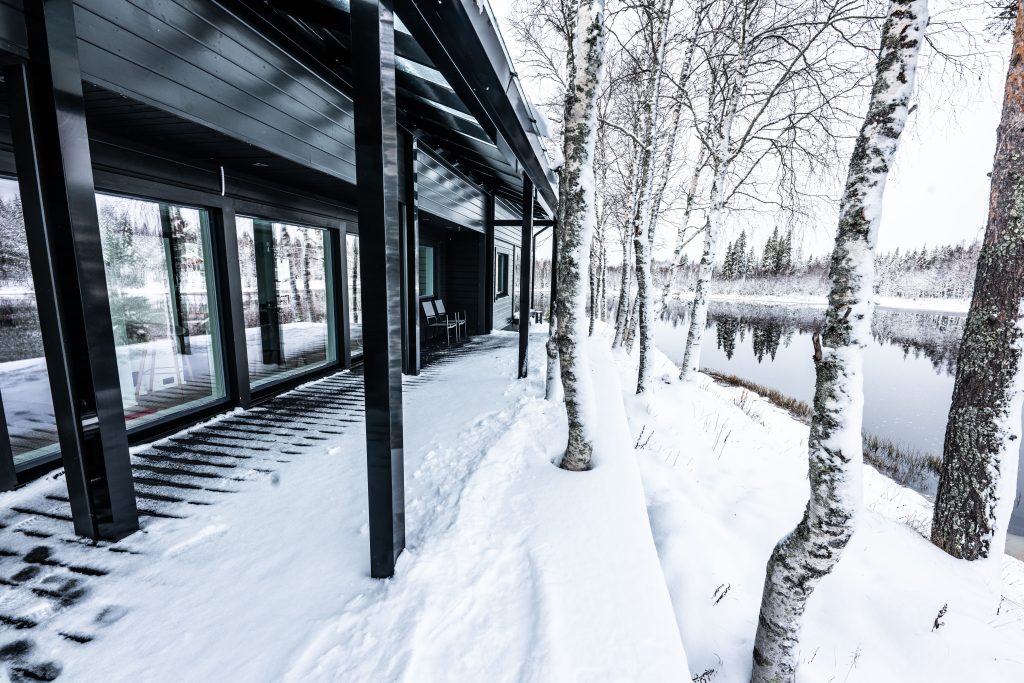
A riverside villa in Lapland sits along one of the region’s major waterways, most commonly the Kemijoki or Ounasjoki rivers near Rovaniemi, offering open water views, gentle river soundscapes, and relatively easy road access. A forest retreat in Finnish Lapland is set deep within boreal woodland, often far from town, surrounded by spruce and pine, and designed to deliver complete seclusion from the outside world.
The practical differences extend beyond scenery. Riverside villas tend to be closer to Rovaniemi’s services, restaurants, and transport links, making them a natural base for guests who want to combine comfort with convenience. Forest retreats, by contrast, prioritise distance from light pollution and human activity. Properties like Villa Wikkelä in Ranua are designed precisely around this philosophy: the wilderness is not a backdrop but the entire point of the stay.
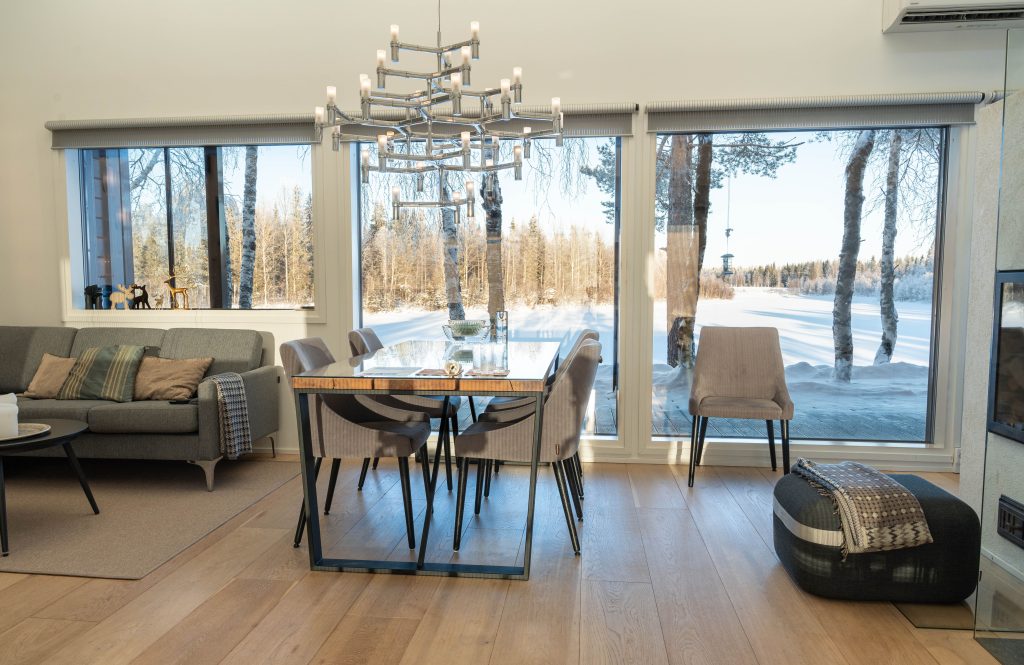
Interior character also differs. Riverside villas often blend contemporary Scandinavian design with panoramic window walls framing the water. Forest retreats lean into the raw texture of Lapland itself, with log-framed interiors, wood-burning fireplaces, and private saunas that feel inseparable from the landscape outside.
Which setting gives you better Northern Lights viewing?
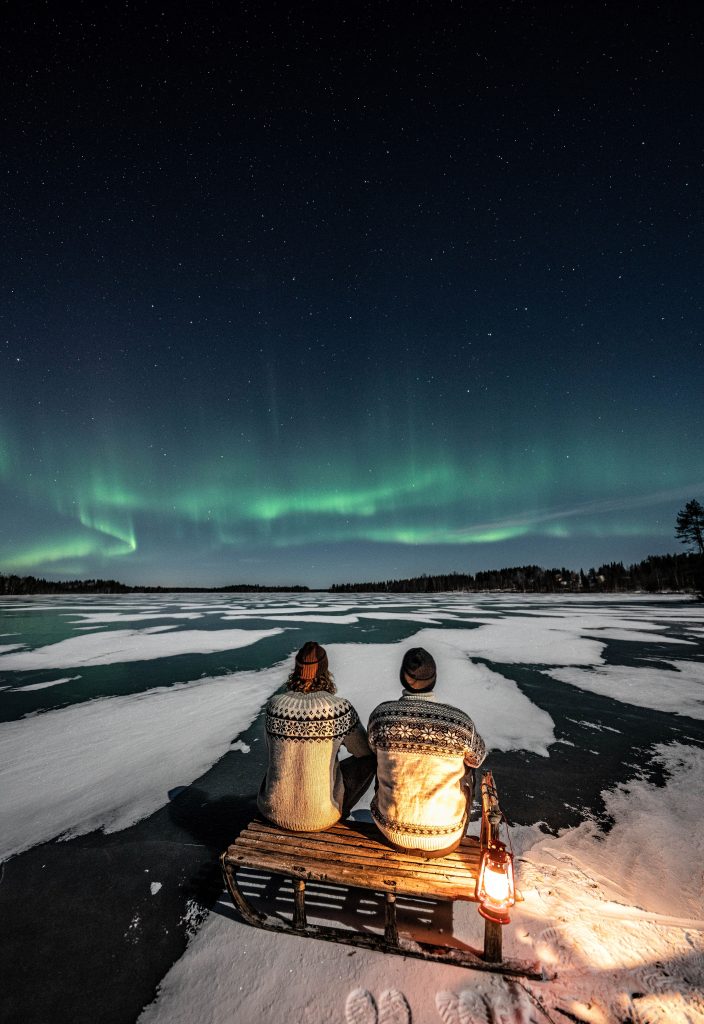
A forest retreat in Finnish Lapland generally offers superior Northern Lights viewing because it sits away from Rovaniemi’s urban light pollution. Dark skies are the single most important factor for aurora visibility, and a secluded wilderness location surrounded by dense forest delivers exactly that, provided the sky is clear and solar activity is favourable.
Riverside villas closer to Rovaniemi can still produce memorable aurora sightings, particularly from open terraces facing north or east over the water. The river’s reflective surface can even amplify the visual effect. However, the ambient glow from the city and nearby roads remains a limiting factor on nights when the aurora is faint or low on the horizon.
For guests whose primary reason for visiting Lapland in 2026 is Northern Lights hunting, a forest retreat in a location like Ranua offers a meaningful advantage. The absence of competing light sources means even a moderate aurora display becomes a spectacular private experience rather than something you strain to see above a distant orange glow.
What activities are easier to access from a riverside villa?
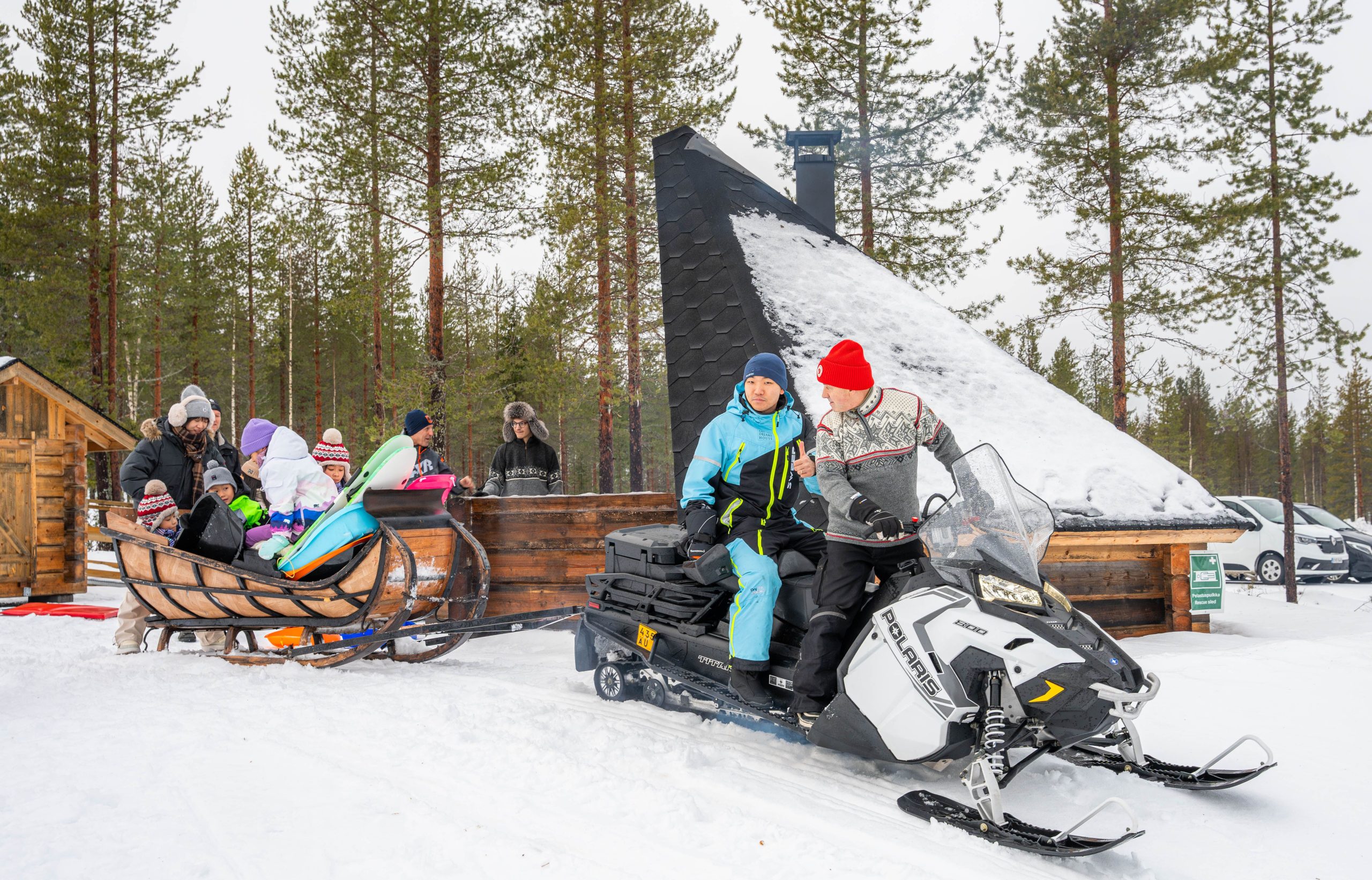
A riverside villa near Rovaniemi gives guests faster, more convenient access to the region’s most popular organised activities. Snowmobile safaris, husky sleigh rides, reindeer farm visits, and guided Northern Lights excursions all operate primarily from Rovaniemi, meaning guests at a riverside property spend less time in transit and more time on the experience itself.
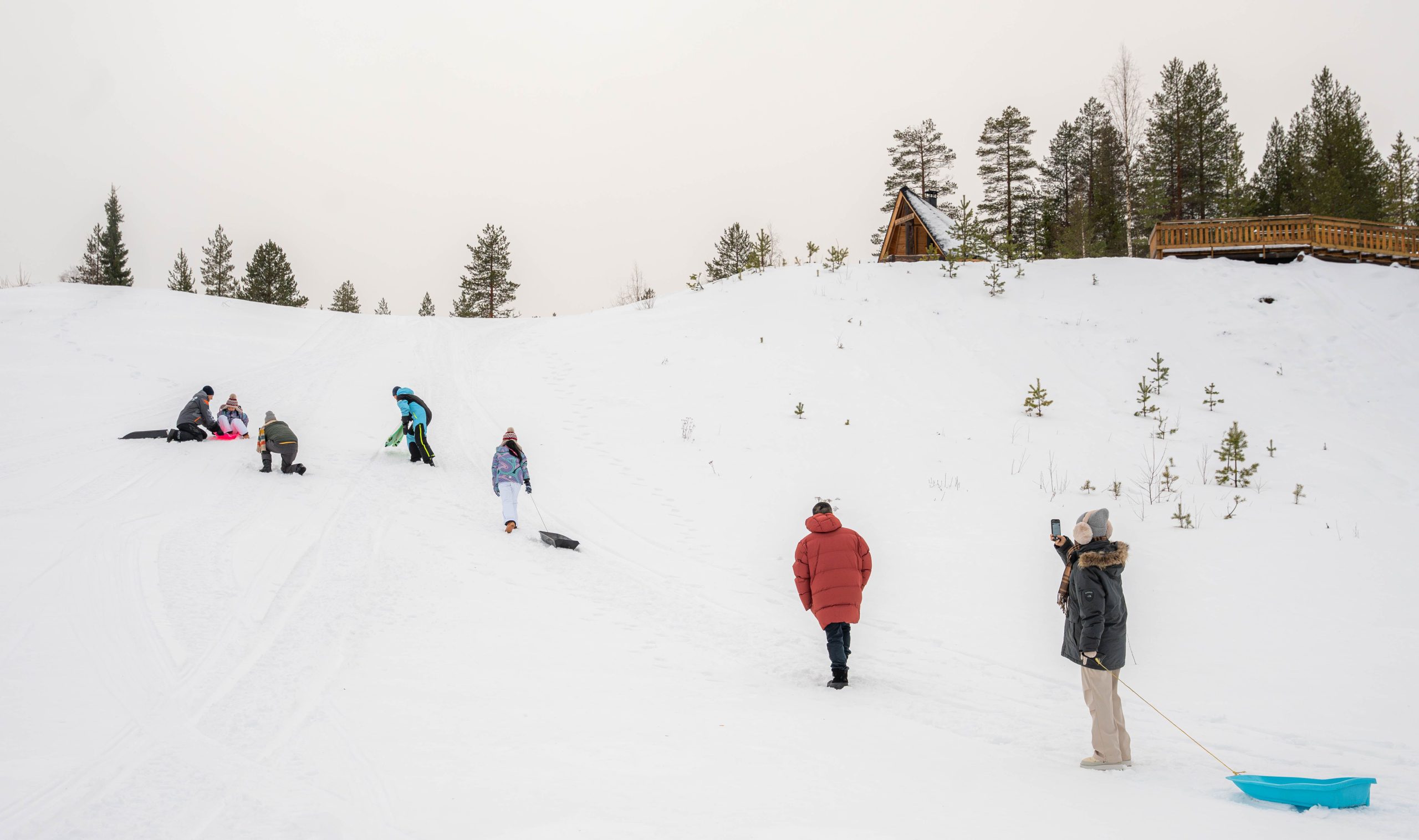
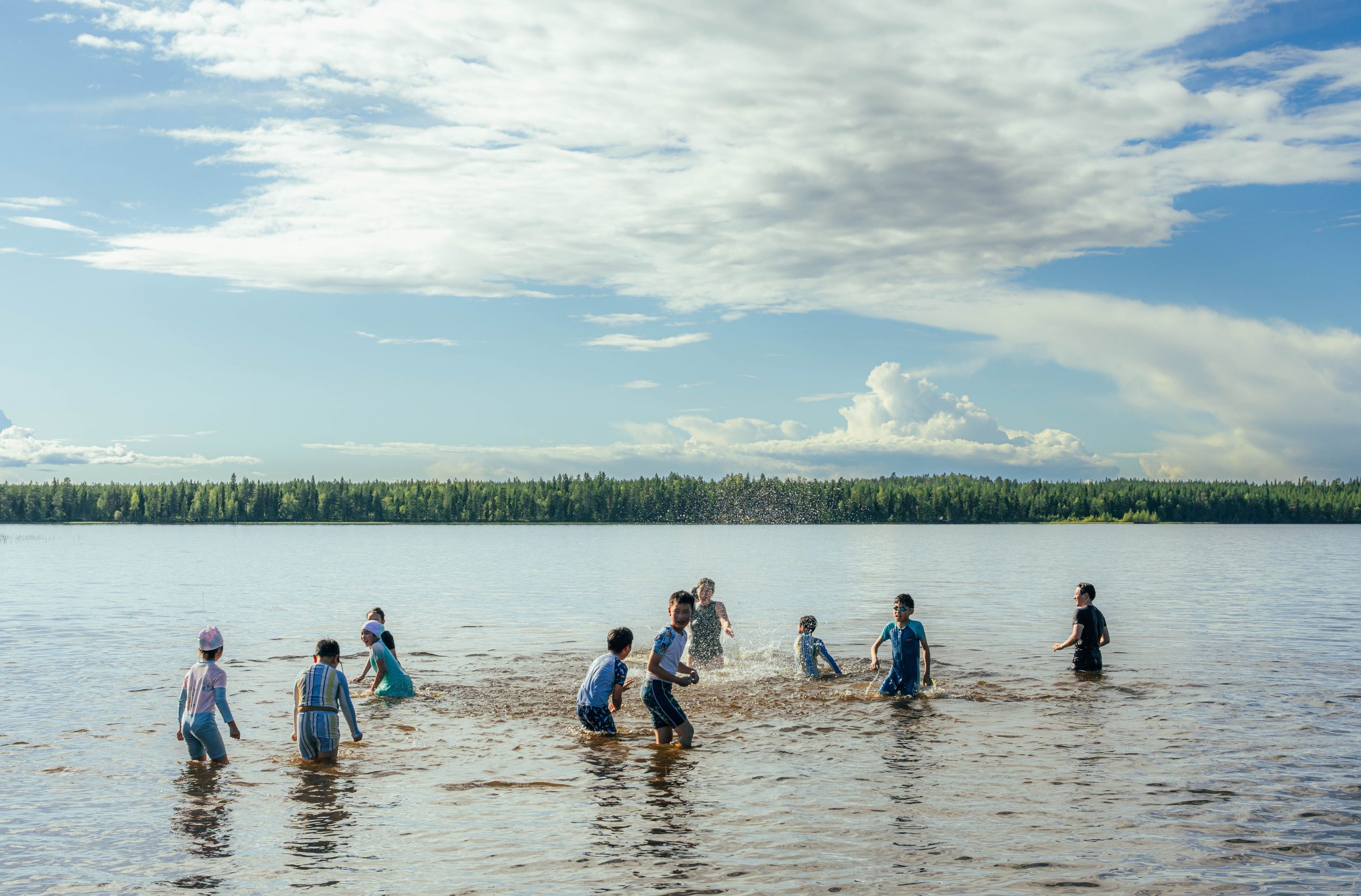
Winter river activities are also a natural extension of a riverside setting. Ice fishing directly from the riverbank, cross-country skiing along groomed riverside trails, and snowshoe walks through the river corridor are all accessible without advance logistics. In summer, the same setting opens up canoeing, stand-up paddleboarding, and midnight sun walks along the water’s edge.
For families or groups who want a packed itinerary with multiple activities across several days, the riverside villa’s proximity to Rovaniemi reduces friction considerably. A private Arctic activity can be arranged and reached efficiently, leaving more time for the experiences themselves rather than the journey to them.
What makes a forest retreat better for wildlife and nature immersion?
A forest retreat in Finnish Lapland places guests directly inside the habitat rather than adjacent to it. The boreal forests of Lapland are home to reindeer, elk, Arctic foxes, and a wide range of winter birds, and these animals move through woodland corridors that are far removed from roads and settlements. Staying within this landscape increases the chance of genuine, unplanned wildlife encounters.
The sensory experience of a forest retreat is also qualitatively different from any other Lapland accommodation type. The silence is not merely quiet but genuinely profound: no traffic, no distant voices, no mechanical hum. Snow-muffled forest sounds, the creak of frozen trees, and the occasional call of a Siberian jay become the entire acoustic world. This depth of immersion is simply not replicable from a property close to town.
For guests who want to visit Ranua Wildlife Park, home to polar bears, Arctic foxes, and wolverines, a forest retreat in the Ranua area positions them perfectly. A guided visit to the park can be arranged as a bespoke private experience, combining the wilderness stay with one of Lapland’s most extraordinary wildlife encounters in a single seamless trip.
Should you choose a riverside villa or forest retreat for a family trip?
For most families visiting Finnish Lapland, a riverside villa near Rovaniemi is the more practical choice. Children benefit from shorter travel times to activities, and parents appreciate having shops, pharmacies, and emergency services within easy reach. A spacious riverside villa with a private sauna, fully equipped kitchen, and outdoor terrace covers the essentials without requiring long drives on icy roads after a full day out.
That said, families with older children or teenagers who are genuinely drawn to wilderness and wildlife will find a forest retreat deeply memorable in ways a town-adjacent property cannot match. Waking up to reindeer in the garden, spotting animal tracks in fresh snow, and spending evenings in a wood-heated sauna with no neighbours for kilometres creates the kind of shared family memory that lasts decades.
The deciding factor is usually the age and temperament of the children and the family’s tolerance for remoteness. Families with young children who need routine and quick access to services lean naturally toward the riverside villa. Adventurous families who want Lapland to feel genuinely wild are better served by the forest retreat.
Which type of Lapland accommodation is better for a romantic getaway?
A secluded forest retreat in Finnish Lapland is the superior choice for a romantic getaway. Complete privacy, total silence, and the overwhelming beauty of an untouched Arctic landscape create conditions for genuine disconnection from everyday life, which is precisely what most couples travelling to Lapland are seeking. A private sauna, a crackling fireplace, and an aurora-lit sky visible from the terrace compose an experience that is difficult to replicate anywhere else on earth.
A riverside villa offers its own romantic qualities, particularly the soft light of the midnight sun reflecting off the water in summer or the drama of ice formations along the frozen river in winter. For couples who enjoy combining intimate evenings with daytime activity and dining, the riverside setting provides a more sociable rhythm without sacrificing comfort or quality.
The clearest distinction is solitude versus convenience. Couples who want to feel entirely alone in the wilderness, with no other guests or passing traffic, will find the forest retreat irreplaceable. Couples who want a beautifully appointed private base from which to explore Rovaniemi’s experiences and return to a refined setting each evening may prefer the riverside villa. For a truly bespoke romantic escape, reaching out for a tailored itinerary ensures every detail is arranged around what matters most to you both.