Yes, thermal clothing is essential for a winter trip to Lapland. Temperatures regularly drop well below freezing, and without proper layering, even a short time outdoors becomes uncomfortable and potentially dangerous. What you need depends on the activities you plan to do and how long you will spend outside each day.
Lapland winters are genuinely cold in a way that surprises many first-time visitors. Whether you are staying at a premium apartment in central Rovaniemi or heading out into the wilderness for a Northern Lights excursion, understanding how to dress for Arctic conditions will shape how much you enjoy every moment outdoors. The questions below cover everything from temperature ranges to common packing mistakes.
How cold does Lapland actually get in winter?
Lapland winters typically bring temperatures between -10°C and -30°C (14°F to -22°F), with the coldest periods occurring in January and February. In Rovaniemi and the surrounding region, -15°C to -20°C is a realistic average for midwinter nights, and wind chill can make exposed skin feel significantly colder than the thermometer suggests.
The cold in Lapland is not uniform across the season. December is often milder, hovering around -5°C to -15°C, while January and February push into the harshest territory. March begins to moderate slightly, but mornings and evenings remain bitterly cold. Snowfall is reliable and heavy, meaning wet, compacted cold is a constant companion rather than dry, still air.
What makes Arctic cold particularly demanding is its persistence. Unlike a cold snap in a temperate city, Lapland’s winter cold does not ease during the day in the way many visitors expect. Daytime highs in January may only reach -12°C even under bright sun. Planning your clothing around the coldest conditions you might encounter, rather than the average, is always the wiser approach.
What happens to your body in Arctic temperatures without proper layers?
Without proper thermal layering in Arctic temperatures, your body loses heat faster than it can generate it. The immediate effects include rapid numbness in the fingers, toes, nose, and ears. Prolonged exposure without adequate insulation leads to frostbite and, in serious cases, hypothermia, which can set in faster than most people expect at -20°C with wind.
The body’s natural response to cold is to constrict blood flow to the extremities in order to protect core temperature. This is why hands and feet go numb first. Without insulating layers trapping warm air close to the skin, this process accelerates, and the risk of tissue damage rises sharply. Frostbite can begin to affect exposed skin in under 30 minutes at -20°C with moderate wind.
Beyond the physical risks, inadequate clothing simply ruins the experience. Shivering, discomfort, and cold-induced fatigue mean you will cut outdoor activities short, miss the stillness of a Northern Lights sky, or spend a snowmobile safari focused entirely on staying warm rather than the landscape around you. Proper thermal clothing is not a luxury for Lapland in winter, it is the baseline for any enjoyable time spent outside.
What thermal clothing do you actually need for a Lapland winter trip?
For a Lapland winter trip, you need a three-layer system: a moisture-wicking base layer, an insulating mid-layer, and a windproof, waterproof outer shell. Beyond these core layers, thermal socks, insulated boots rated to at least -30°C, warm gloves or mittens, a balaclava or neck gaiter, and a hat that covers your ears are all non-negotiable for comfortable time outdoors.
The three-layer system explained
The base layer sits directly against your skin, and its job is to move moisture away from your body. Merino wool and synthetic performance fabrics both work well. Avoid cotton at all costs – it absorbs sweat and holds it against your skin, accelerating heat loss significantly. A good base layer includes both a long-sleeve top and thermal leggings.
The mid-layer provides insulation by trapping warm air close to your body. Fleece, down, or synthetic fill jackets and trousers serve this purpose. In very cold conditions, a heavyweight fleece or down gilet worn over a lighter fleece adds flexible warmth you can adjust as activity levels change.
Extremities and accessories
Protecting your extremities deserves as much attention as your core. Thermal socks in merino wool, layered inside boots with a genuine cold-weather rating, prevent the foot numbness that ends outdoor excursions prematurely. Mittens retain heat better than gloves in extreme cold, though liner gloves worn underneath allow you to use your fingers briefly without full exposure. A balaclava or neck gaiter protects the face and neck, which are among the most vulnerable areas in wind.
Can you rent thermal clothing in Lapland instead of buying it?
Yes, you can rent thermal clothing in Lapland, and Arctic Dreams House offers winter clothing rental for guests who prefer not to travel with bulky cold-weather gear. This is a practical option for travelers flying with carry-on luggage only or those visiting from warmer climates who do not own Arctic-grade equipment.
Renting is particularly sensible for outer layers – the insulated overalls, heavy boots, and expedition mittens that take up the most space in a suitcase. These are the items that make the biggest difference in extreme cold, and having access to properly rated gear through your accommodation removes one of the most common planning headaches for first-time visitors to Lapland.
If you are staying at The Luxury Downtown Rovaniemi, a beautifully renovated 85 m² apartment in the heart of Rovaniemi with space for up to ten guests, arranging clothing rental in advance means you can step straight from the city center into any outdoor adventure without needing to haul a second suitcase across Europe.
Does thermal clothing differ depending on the activity?
Yes, the thermal clothing you need in Lapland varies significantly depending on the activity. Passive outdoor experiences such as Northern Lights watching require heavier insulation than active pursuits like snowshoeing, where your body generates substantial heat. Matching your layering to the activity level prevents both dangerous cold and uncomfortable overheating.
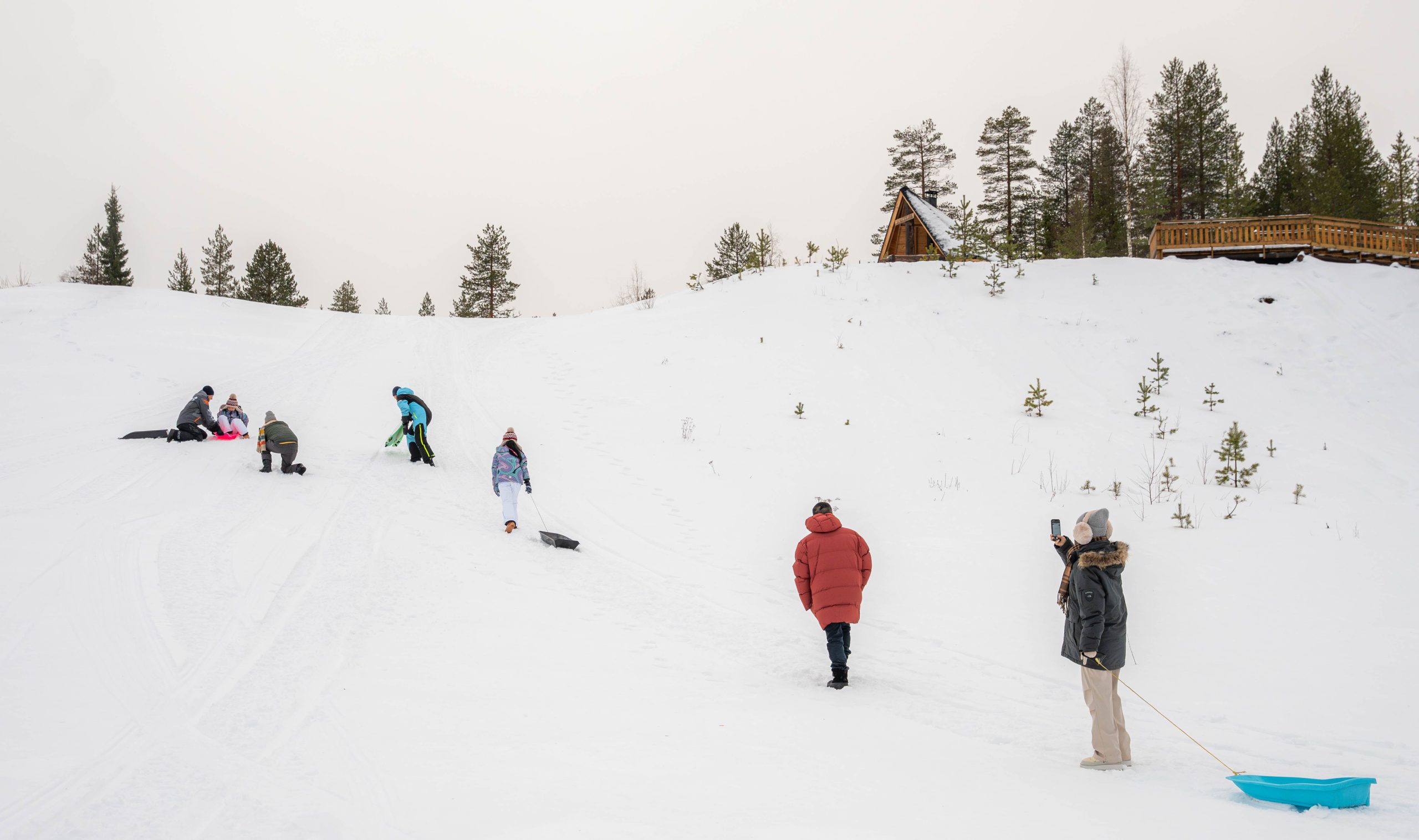
For high-intensity activities such as snowshoeing or cross-country skiing, prioritize breathable base and mid-layers that wick sweat efficiently. Overheating and sweating in cold conditions is a risk because wet clothing loses its insulating properties rapidly. A lighter outer shell with good ventilation zips is preferable to a fully insulated, sealed jacket.
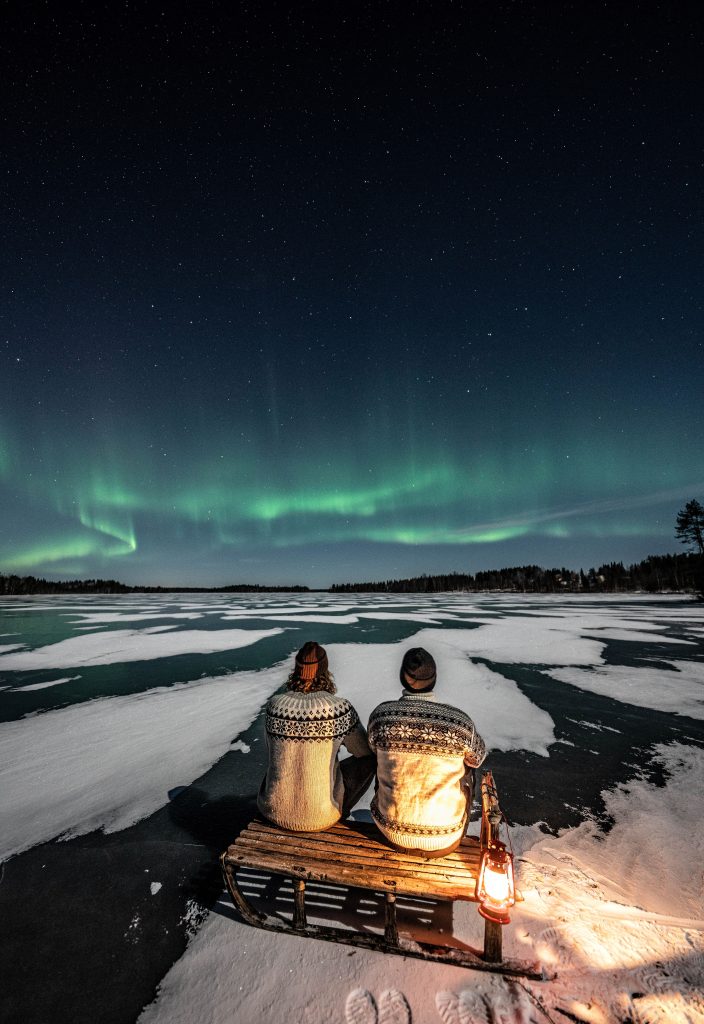
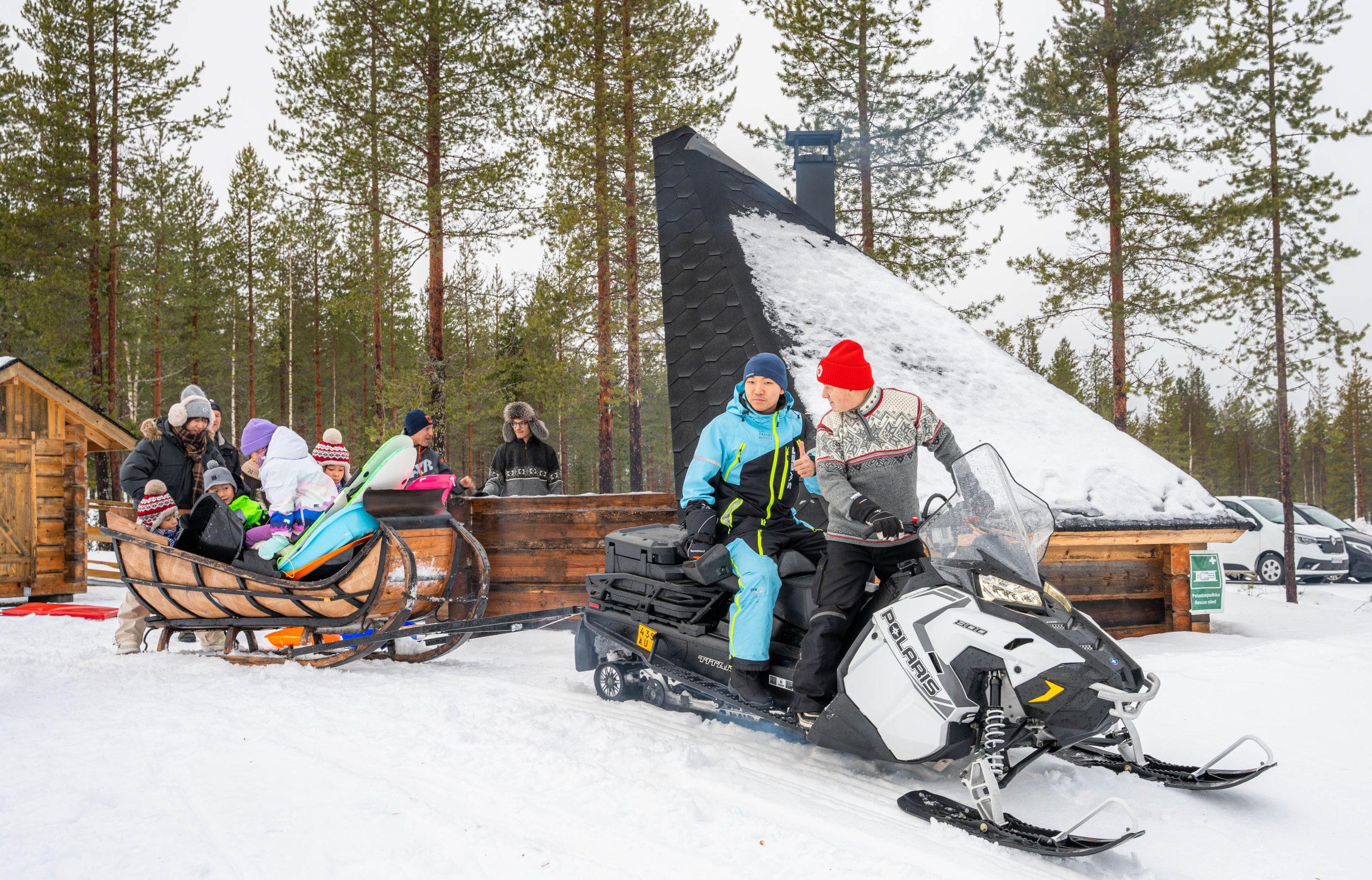
For low-intensity or stationary experiences – Northern Lights hunting, reindeer sleigh rides, or husky safaris where you are seated or standing still – maximum insulation is the priority. Insulated overalls worn over your full layer system, expedition-grade mittens, and a face covering become essential rather than optional. The cold feels far more intense when you are not moving.
Activities like husky rides, snowmobile safaris, and Northern Lights hunting involve extended periods of stillness in open terrain, often at night when temperatures are at their lowest. Dressing for these as you would for a brisk walk will leave you significantly underprepared. If you are exploring the full range of Arctic activities on offer in Rovaniemi, plan your clothing choices around the coldest and most stationary experience on your itinerary.
What clothing mistakes do visitors to Lapland most often make?
The most common clothing mistake visitors make in Lapland is underestimating how cold it actually feels outdoors, particularly at night or in wind. Other frequent errors include wearing cotton base layers, bringing gloves instead of mittens for extreme cold, neglecting foot insulation, and dressing for the temperature shown on a weather app rather than the wind chill.
- Wearing cotton: Cotton absorbs moisture and loses its insulating properties when damp. It is the single most dangerous fabric choice for Arctic conditions and should be avoided in every layer.
- Underestimating the extremities: Many visitors pack warm coats but overlook their feet and hands. Boots without a genuine cold-weather rating and thin gloves are the most common sources of discomfort and early retreat indoors.
- Dressing for the app, not the wind: A forecast of -15°C with a moderate breeze can feel like -25°C on exposed skin. Always dress for the wind-chill equivalent, especially for evening and night activities.
- Packing only one outer layer: A single jacket that works for everything is rarely warm enough for a night-time Northern Lights excursion and too heavy for a snowshoe through the forest. Layering flexibility is more valuable than one expensive coat.
- Skipping the face covering: Cheeks, nose, and chin are frequently forgotten. A balaclava or neck gaiter pulled up over the lower face makes a dramatic difference on cold, windy nights.
Planning your wardrobe carefully before arriving is worthwhile, but if you find gaps in your cold-weather kit once you land, clothing rental through Arctic Dreams House covers the essentials. And when the layers are sorted, Lapland in winter rewards you generously, from the silence of a snow-covered forest to the spectacle of the Northern Lights arching overhead on a private guided excursion. Explore the full range of Northern Lights hunting experiences and discover what a properly equipped, unhurried evening under the Arctic sky feels like. For families, groups, or those seeking a magical seasonal encounter, a private meeting with Santa through Private Santa rounds out an Arctic winter stay in the most memorable way possible.